科教报国

Search documents
活成大写的人(远航的书架)
Ren Min Wang· 2026-02-05 01:13
Core Insights - The article highlights the life and contributions of Academician Wang Zhenyi, emphasizing his role in leukemia treatment and medical education, showcasing his dedication to improving patient outcomes and nurturing future medical talent [1][2][3] Group 1: Contributions to Medicine - Wang Zhenyi is recognized as a pioneer in hematology in China, credited with the "Shanghai Plan" for leukemia treatment, which has significantly impacted patient recovery rates [2][3] - The biography details his innovative approach to medical challenges, including his willingness to conduct controversial experiments and his refusal to patent successful treatments to benefit a broader patient population [2][3] Group 2: Educational Philosophy - Wang Zhenyi introduced the "parabolic theory" of talent cultivation, prioritizing the development of younger medical professionals over personal accolades [2] - His commitment to education is illustrated by his continuous engagement with academic literature and mentorship of young doctors, demonstrating a lifelong dedication to knowledge sharing [2][3] Group 3: Personal Values and Legacy - The narrative emphasizes Wang Zhenyi's belief in serving others and his pursuit of knowledge as a means to improve the world, reflecting a deep-rooted sense of patriotism and responsibility [3] - The biography serves as a testament to the values of humility, perseverance, and the importance of asking questions, encouraging readers to embody these principles in their own lives [3][4]
校馆弦歌 | 于时光深处,见创新基因
Yang Guang Wang· 2025-10-07 06:47
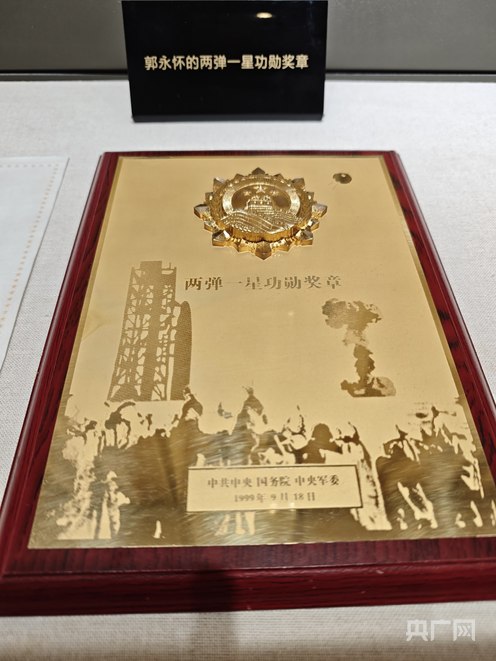
Core Viewpoint - The history of the University of Science and Technology of China (USTC) reflects the dedication of generations of scientists to the mission of "serving the country through science and education" and showcases significant technological breakthroughs that have gained global recognition [1][6]. Group 1: Historical Background - USTC was established in 1958 in response to the call for supporting the "Two Bombs and One Satellite" project, with prominent scientists advocating for its creation [1]. - The university faced challenges during its relocation to Hefei in the early 1970s, losing about two-thirds of its equipment and facing inadequate facilities [3][6]. Group 2: Achievements and Contributions - USTC has made significant contributions to science, including being the first university in China to establish a graduate school and launching programs like the Young Scholars Program [6]. - The university's recent technological achievements have garnered international attention, with several results being recognized in major scientific progress lists [6]. Group 3: Cultural Significance - The USTC history museum serves as a testament to the spirit of scientific inquiry and national pride, inspiring new generations of students [8]. - Artifacts such as the "Two Bombs and One Satellite" merit badge and models of significant scientific instruments highlight the university's legacy and ongoing impact in the field of science [4][9].