租赁年龄歧视

Search documents
3天被拒20次,老年人租房咋这么难
Xin Jing Bao· 2025-04-24 03:01
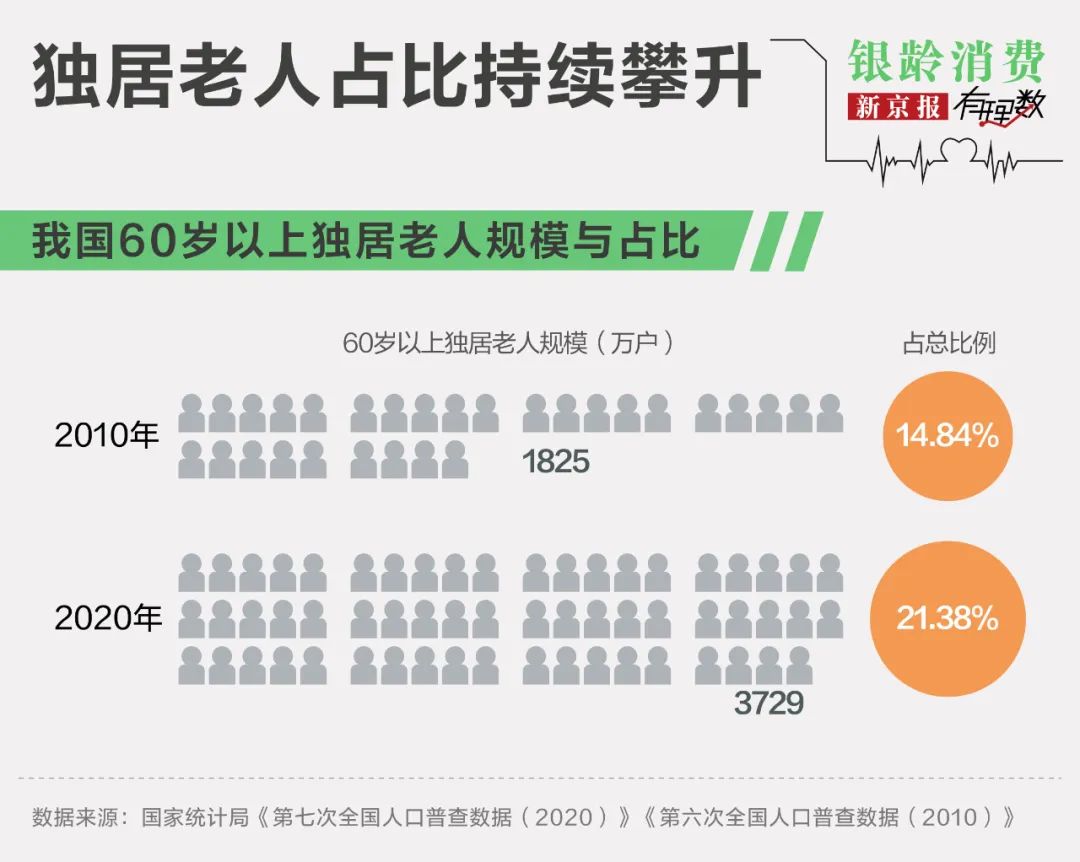
Core Viewpoint - The rental market in China exhibits systemic discrimination against the elderly, particularly those over 60, leading to significant challenges in securing housing for this demographic as the aging population continues to grow [2][14][34] Group 1: Elderly Population and Rental Demand - As of 2023, there are 216 million individuals aged 65 and above in China, accounting for 15.4% of the total population, with a notable increase in the number of elderly living alone [4][5] - The number of elderly individuals living alone has risen to 29.93 million, a 3.82-fold increase since 2000, highlighting the growing need for suitable housing solutions [4] - Urban elderly individuals show a pressing need for rental housing, with 19.8% relying on rentals or temporary accommodations to meet their basic living needs [7] Group 2: Market Discrimination and Challenges - Landlords often refuse to rent to elderly tenants due to concerns over potential health issues and the associated risks, leading to a preference for younger renters [7][15] - The rental market is characterized by a severe shortage of housing suitable for elderly individuals, with many available options lacking necessary adaptations for their needs [10][13] - Elderly renters typically have lower budgets and prefer older, low-floor apartments, yet these often do not meet their requirements due to inadequate facilities [8][10] Group 3: Financial Burden on Elderly Renters - The average annual income for urban elderly individuals is approximately 47,000 yuan, which is only 45%-75% of the income of working-age individuals, leading to a significant rental burden [23] - In major cities, the median monthly rent has reached 4,750 yuan, creating a substantial financial strain on elderly renters whose income is limited [26] - The rental costs can consume 26%-45% of the elderly's disposable income, making it increasingly difficult for them to afford housing [23][26] Group 4: Systemic Issues and Policy Gaps - Despite existing laws prohibiting discrimination against the elderly, enforcement in the rental market remains weak, allowing age-based discrimination to persist [32][34] - Current policies and market practices do not adequately address the needs of elderly renters, with many platforms and agencies imposing age restrictions that effectively exclude them from rental opportunities [28][32] - Innovative practices in some cities, such as lowering public rental housing standards for the elderly, indicate potential pathways to alleviate these challenges, but broader systemic changes are still needed [35]