老年人租房难

Search documents
老年人租房为什么这么难?
Hu Xiu· 2025-05-19 06:32
Core Viewpoint - The issue of "difficulty for the elderly to rent housing" has become a recurring topic, highlighting the conflict between traditional values of respecting the elderly and the current realities faced by both landlords and elderly renters [1][24]. Group 1: Rental Market Dynamics - There is an emerging "age discrimination" trend in the rental market, where landlords are increasingly reluctant to rent to individuals over 40 or 60 years old, with families that include elderly members being outright rejected [4][5]. - Despite a surplus of rental properties and declining rents in some cities, landlords prefer to leave properties vacant rather than rent to elderly individuals [5][6]. - The reluctance of landlords stems from concerns about potential risks and complications associated with renting to elderly tenants, such as health issues and legal liabilities [6][7]. Group 2: Legal and Social Implications - Recent court cases have highlighted the tension between landlords' rights to choose tenants and the legal protections against age discrimination, with courts ruling in favor of elderly renters in some instances [10][11]. - The legal framework surrounding elderly renters is still ambiguous, leading to a lack of clear guidelines that could protect both landlords and elderly tenants [12][25]. Group 3: Changing Demographics and Needs - The traditional model of multi-generational living is declining, with only 47.6% of elderly individuals being cared for by their children, leading to an increase in elderly individuals seeking rental housing [17]. - A significant portion of elderly individuals, approximately 29.9%, do not own property, and many rely on renting as a necessity due to various life circumstances [18][20]. - The phenomenon of "elderly floating population" is growing, with many elderly individuals moving to urban areas to assist their children, often leaving them without stable housing options [15][16]. Group 4: Proposed Solutions - There is a need for government intervention to expand public rental housing and create policies that specifically address the needs of elderly renters [26][28]. - Collaborative efforts among government, market, and society are essential to create a supportive environment for elderly renters, including innovative housing solutions and community support systems [27][28]. - The development of age-friendly rental services and products is crucial to alleviate landlords' concerns and improve the rental experience for elderly individuals [28].

3天被拒20次,老年人租房到底有多难?
Yang Shi Wang· 2025-04-24 12:35
Core Viewpoint - The article discusses the challenges faced by elderly individuals in renting housing, highlighting the increasing difficulty for seniors to find landlords willing to rent to them due to age-related concerns and societal attitudes towards aging [1][5][17]. Group 1: Elderly Rental Market Challenges - The phenomenon of "difficulty in renting for seniors over 60" has sparked significant discussion, with reports indicating that many elderly individuals face rejection from landlords and real estate agents [5][7]. - A survey revealed that 14.2% of elderly individuals live alone, with nearly 20% relying on rental housing, particularly in urban areas where the demand is pronounced [5][10]. - Many real estate agents impose age restrictions, with over two-thirds of agencies in cities like Beijing and Shanghai requiring that elderly renters be accompanied by their children or outright refusing to rent to them [5][10]. Group 2: Landlord Concerns - Landlords often express concerns about the risks associated with renting to elderly individuals, such as potential accidents or health issues that could lead to disputes or liability [8][10]. - A case in Shanghai highlighted a landlord's refusal to rent based on the presence of an elderly, disabled individual, which the court ruled against, emphasizing the need to protect elderly rights [10][11]. Group 3: Legal and Policy Framework - Current laws do not explicitly prohibit age discrimination in rental agreements, creating challenges for elderly renters seeking housing [12][13]. - The Ministry of Civil Affairs has proposed policies to prioritize elderly individuals in public rental housing allocations, indicating a governmental effort to address these issues [13][16]. Group 4: Solutions and Future Directions - To improve the rental situation for the elderly, a multi-faceted approach is needed, including legal reforms, market adjustments, and changes in societal attitudes towards aging [16][17]. - The article suggests that enhancing the rental market's adaptability to elderly needs, such as incorporating age-friendly designs and reducing landlords' concerns through legal safeguards, could facilitate better access for seniors [16][17].

3天被拒20次,老年人租房咋这么难
Xin Jing Bao· 2025-04-24 03:01
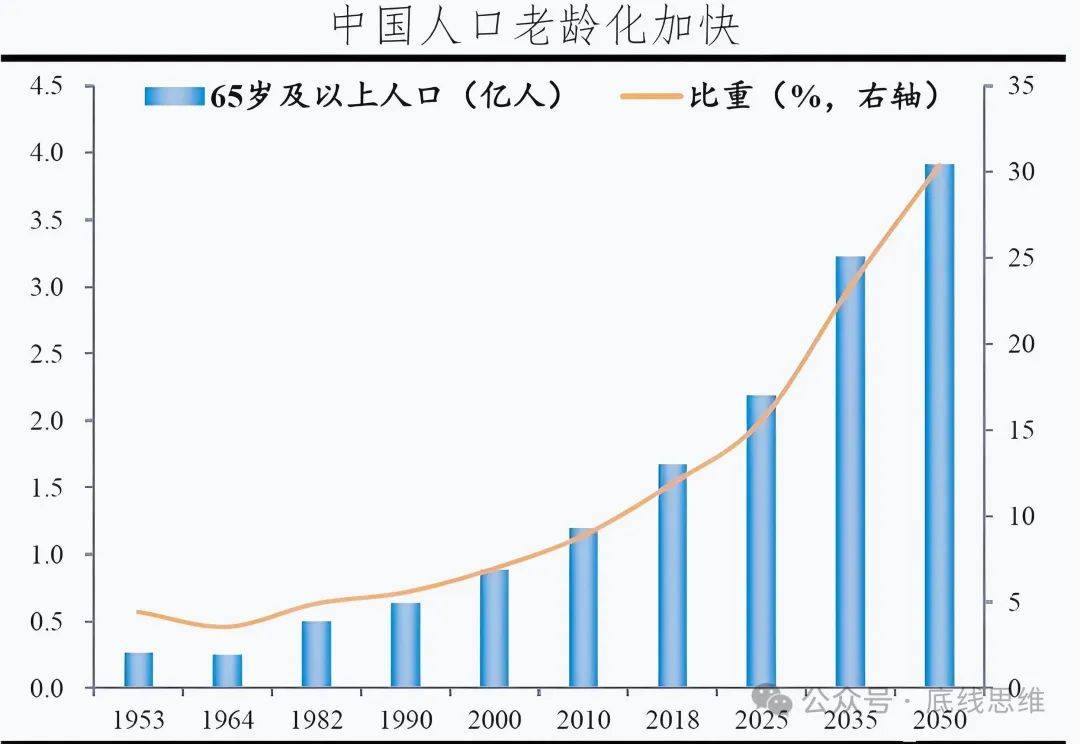
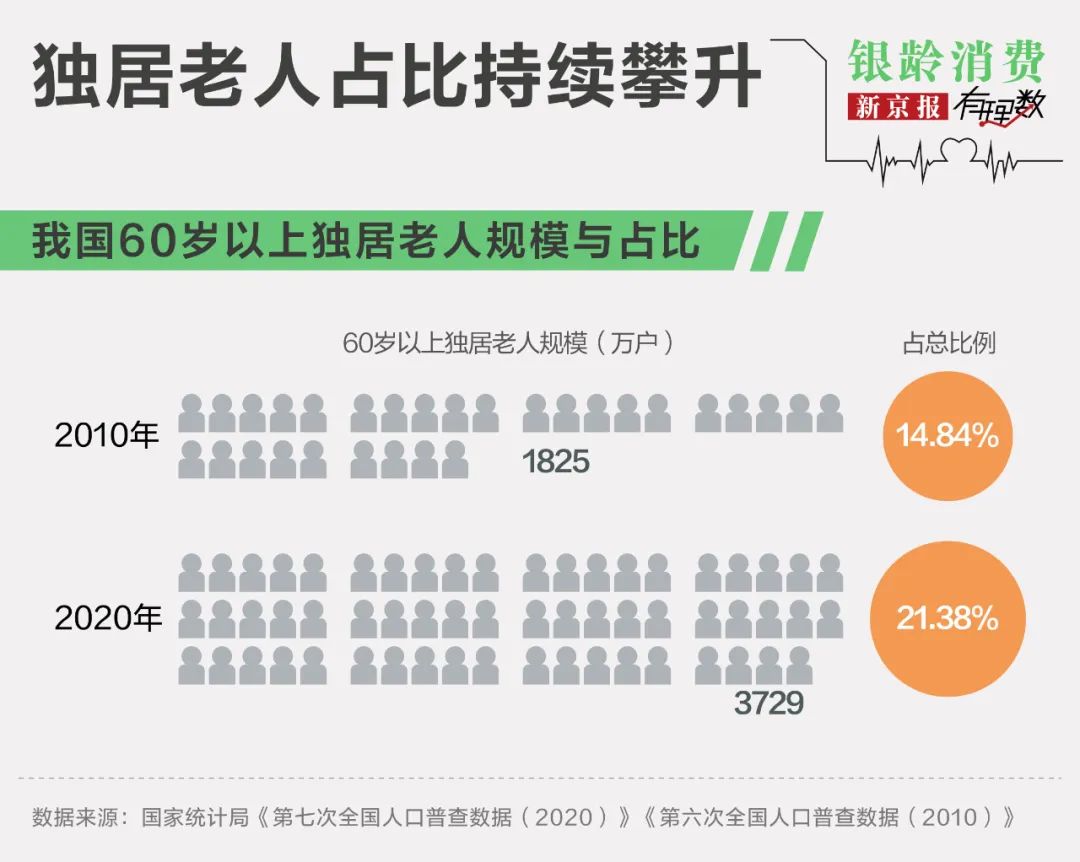
Core Viewpoint - The rental market in China exhibits systemic discrimination against the elderly, particularly those over 60, leading to significant challenges in securing housing for this demographic as the aging population continues to grow [2][14][34] Group 1: Elderly Population and Rental Demand - As of 2023, there are 216 million individuals aged 65 and above in China, accounting for 15.4% of the total population, with a notable increase in the number of elderly living alone [4][5] - The number of elderly individuals living alone has risen to 29.93 million, a 3.82-fold increase since 2000, highlighting the growing need for suitable housing solutions [4] - Urban elderly individuals show a pressing need for rental housing, with 19.8% relying on rentals or temporary accommodations to meet their basic living needs [7] Group 2: Market Discrimination and Challenges - Landlords often refuse to rent to elderly tenants due to concerns over potential health issues and the associated risks, leading to a preference for younger renters [7][15] - The rental market is characterized by a severe shortage of housing suitable for elderly individuals, with many available options lacking necessary adaptations for their needs [10][13] - Elderly renters typically have lower budgets and prefer older, low-floor apartments, yet these often do not meet their requirements due to inadequate facilities [8][10] Group 3: Financial Burden on Elderly Renters - The average annual income for urban elderly individuals is approximately 47,000 yuan, which is only 45%-75% of the income of working-age individuals, leading to a significant rental burden [23] - In major cities, the median monthly rent has reached 4,750 yuan, creating a substantial financial strain on elderly renters whose income is limited [26] - The rental costs can consume 26%-45% of the elderly's disposable income, making it increasingly difficult for them to afford housing [23][26] Group 4: Systemic Issues and Policy Gaps - Despite existing laws prohibiting discrimination against the elderly, enforcement in the rental market remains weak, allowing age-based discrimination to persist [32][34] - Current policies and market practices do not adequately address the needs of elderly renters, with many platforms and agencies imposing age restrictions that effectively exclude them from rental opportunities [28][32] - Innovative practices in some cities, such as lowering public rental housing standards for the elderly, indicate potential pathways to alleviate these challenges, but broader systemic changes are still needed [35]
3天被拒20次,老年人租房咋这么难?
新京报· 2025-04-24 02:41
Core Viewpoint - The rental market in China is increasingly discriminatory against the elderly, with landlords often refusing to rent to older individuals due to concerns about health risks and property value depreciation, reflecting a systemic exclusion of the elderly from housing options [1][3][12]. Group 1: Elderly Population and Housing Demand - As of 2023, there are 216 million people aged 65 and above in China, accounting for 15.4% of the total population, with a rising trend in the number of elderly living alone [3][6]. - The number of elderly individuals living alone reached 29.93 million in 2020, a 3.82-fold increase from 2000, indicating a growing issue of living alone and care gaps in an aging society [3][6]. Group 2: Rental Market Challenges for the Elderly - Approximately 19.8% of urban elderly rely on renting or borrowing housing, with many facing barriers due to landlords' preferences for younger tenants [6][12]. - The rental market lacks suitable housing for the elderly, with many older properties not equipped with necessary facilities, leading to a shortage of appropriate living conditions for older renters [7][9]. Group 3: Landlord Concerns and Discrimination - Landlords exhibit a cautious attitude towards elderly tenants, fearing potential health issues and the associated liabilities, which leads to a pattern of exclusion [14][18]. - The perception that elderly tenants pose higher risks has resulted in a significant reluctance among landlords to rent to them, creating a dual challenge of longer vacancy periods and lower acceptance rates for elderly renters [18][20]. Group 4: Economic Pressures on Elderly Renters - The average annual income for urban elderly individuals is approximately 47,000 yuan, which is only 45%-75% of the income of urban workers, leading to a high rental burden [20][21]. - In major cities, the median monthly rent has reached 4,750 yuan, while rents in smaller cities are generally above 1,500 yuan, creating significant financial strain for elderly individuals [23][24]. Group 5: Systemic Barriers and Policy Gaps - Despite some policies aimed at improving elderly housing conditions, many rental platforms and agencies impose age restrictions, effectively marginalizing elderly renters [26][30]. - Legal protections against age discrimination in housing are weak, as landlords retain the right to choose tenants, complicating the enforcement of anti-discrimination laws [30][32]. Group 6: Future Implications and Solutions - The ongoing exclusion of elderly renters is expected to worsen, with predictions indicating that by 2050, nearly 48% of the elderly population will be living alone, exacerbating the housing crisis [33]. - Innovative practices in some cities, such as lowering public rental standards for the elderly and integrating elderly care services into rental management, may provide pathways to address these challenges [33][34].