移民文化

Search documents
首场“代表通道”亮出好声音
Xin Lang Cai Jing· 2026-02-10 00:32
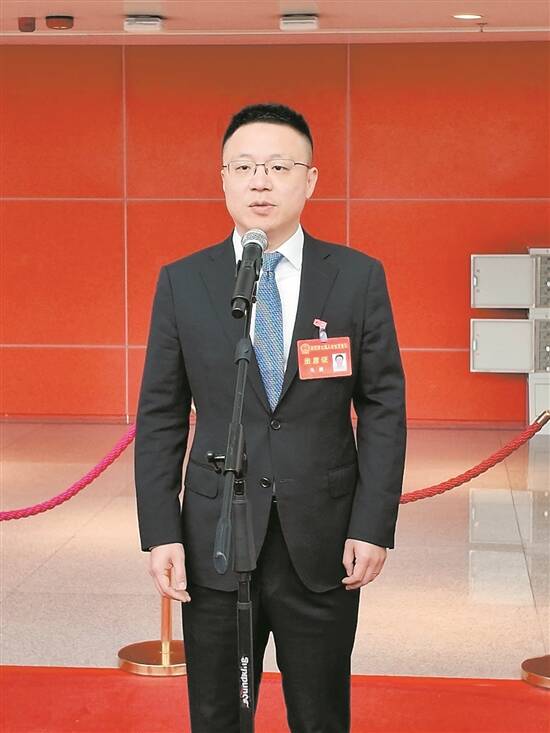
Group 1 - The representatives emphasize the importance of cultivating future strategic emerging industries in Shenzhen to inject strong momentum for achieving Chinese-style modernization [1][3] - Shenzhen has been promoting the establishment of large scientific facilities and enhancing university research to address shortcomings, creating a unique environment for the development of emerging industries that is globally competitive [5] - There is a focus on leveraging industrial culture, immigrant culture, and Hakka culture, along with introducing popular IP images to enrich cultural spaces and enhance emotional experiences for tourists and citizens [7]

九大碗里的匠心味
Xin Lang Cai Jing· 2025-12-21 17:39
Core Insights - The article highlights the cultural and culinary significance of the "Nine Big Bowls," a traditional dish from the ancient town of Zhuodao, which has evolved over three centuries to reflect a blend of various regional flavors and cooking techniques [1][2][5] Group 1: Cultural Significance - The number "nine" symbolizes completeness and auspiciousness in Chinese culture, transcending its numerical value to represent cultural heritage and communal bonds [2] - The "Nine Big Bowls" dish embodies the wisdom of Zhuodao's ancestors and the diverse flavors brought by immigrants, merging the spicy essence of Sichuan cuisine with the fresh and sweet tastes from Hubei and Hunan [2][3] Group 2: Culinary Techniques - The preparation of the "Nine Big Bowls" involves meticulous steaming techniques, with a focus on high-quality ingredients such as black-haired pigs and free-range chickens, showcasing the importance of detail in traditional cooking [3][4] - The dish's flavor profile is a result of a harmonious blend of local and immigrant culinary practices, reflecting the historical interactions of different cultures in the region [3][4] Group 3: Business Development - Since the 1994 economic reforms, the "Nine Big Bowls" restaurant has gained popularity due to its authentic flavors and affordable prices, establishing itself as a unique culinary offering amidst a variety of other regional cuisines [4] - The restaurant has expanded its menu to include modern variations of the traditional dish, appealing to a broader audience while maintaining its cultural roots [4]
东北新晋的顶流城市,情况还是太“复杂”了
Hu Xiu· 2025-05-27 10:16
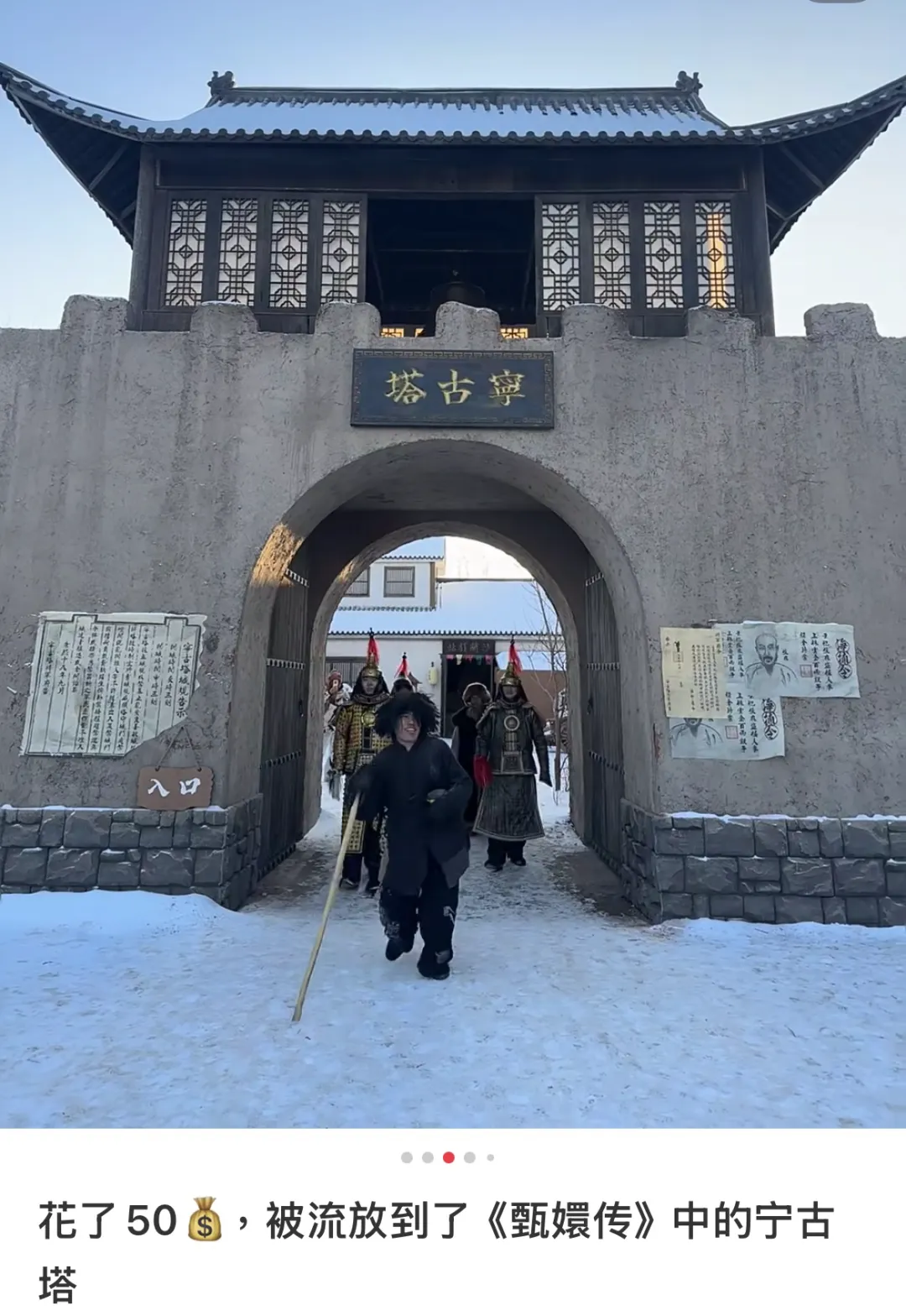
Core Viewpoint - Mudanjiang, a city in Northeast China, is often overlooked as a tourist destination but possesses a rich cultural heritage and unique historical significance due to its diverse ethnic communities and geographical location [3][9][30]. Group 1: Cultural and Historical Significance - Mudanjiang is a melting pot of cultures, home to 38 ethnic minorities, including Manchu, Russian, and Korean communities, which contribute to its unique cultural atmosphere [3][11]. - The city has a historical connection to the construction of the Chinese Eastern Railway in the late 19th century, which facilitated trade and migration, transforming it into a vital commercial hub [8][9]. - The presence of Russian and Korean influences is evident in the local architecture, cuisine, and daily life, making it a culturally rich area [12][10]. Group 2: Tourism and Modern Developments - Despite its historical significance, Mudanjiang is often seen as a transit point for travelers rather than a destination, with many visitors unaware of its cultural offerings [2][30]. - Recent initiatives, such as the "Fengxue Ningguta" project, aim to attract younger tourists by recreating historical experiences related to the city's past as a place of exile [27][30]. - The city is also known for its picturesque landscapes and historical sites, such as the Saint Mary’s Church in Hongdaohzi, which showcases a blend of Chinese and Russian architectural styles [20][21].