
中华饮食文化

Search documents
一箸涮羊肉 四方中华情
Xin Lang Cai Jing· 2026-02-26 20:43
Core Perspective - The article highlights the cultural and historical significance of lamb hot pot in China, tracing its origins back over a thousand years and emphasizing its role in fostering community and shared experiences among different ethnic groups [2][6]. Historical Context - The earliest depiction of lamb hot pot is found in a mural from a tomb in Inner Mongolia, dating back to the early Liao Dynasty, showcasing the practice of cooking and sharing food among the Khitan people [2]. - The narrative of lamb hot pot's origin is intertwined with legends, particularly the story of Liao Taizu Yelü Abaoji, who is credited with its invention during a military campaign [2]. - Historical records from the Southern Song Dynasty mention a dish called "Bo Xia Gong," indicating that the technique of hot pot likely matured among northern nomadic tribes before spreading to other regions [3]. Cultural Significance - The character for "beauty" in Chinese is composed of the symbols for "sheep" and "big," reflecting the deep cultural appreciation for lamb in Chinese cuisine [4]. - Lamb has been integral to Chinese culinary traditions and rituals, with its significance evident in ancient texts and artifacts [4]. Regional Characteristics - Inner Mongolia is identified as the origin of authentic lamb hot pot, with the region's sheep known for their high-quality meat due to their natural grazing environment [5]. - The traditional Inner Mongolian hot pot emphasizes the natural flavor of the ingredients, often using a simple broth to highlight the quality of the lamb [5]. Community and Social Aspects - The "Ice and Snow Lamb Hot Pot Feast" in Xilin Gol League exemplifies how food can bring together diverse communities, fostering connections and cultural exchange [6]. - The act of sharing a hot pot meal serves as a medium for social interaction, allowing people to bond over culinary experiences and shared histories [6].
【品年味过大年】福禄双全
Xin Lang Cai Jing· 2026-02-15 00:02
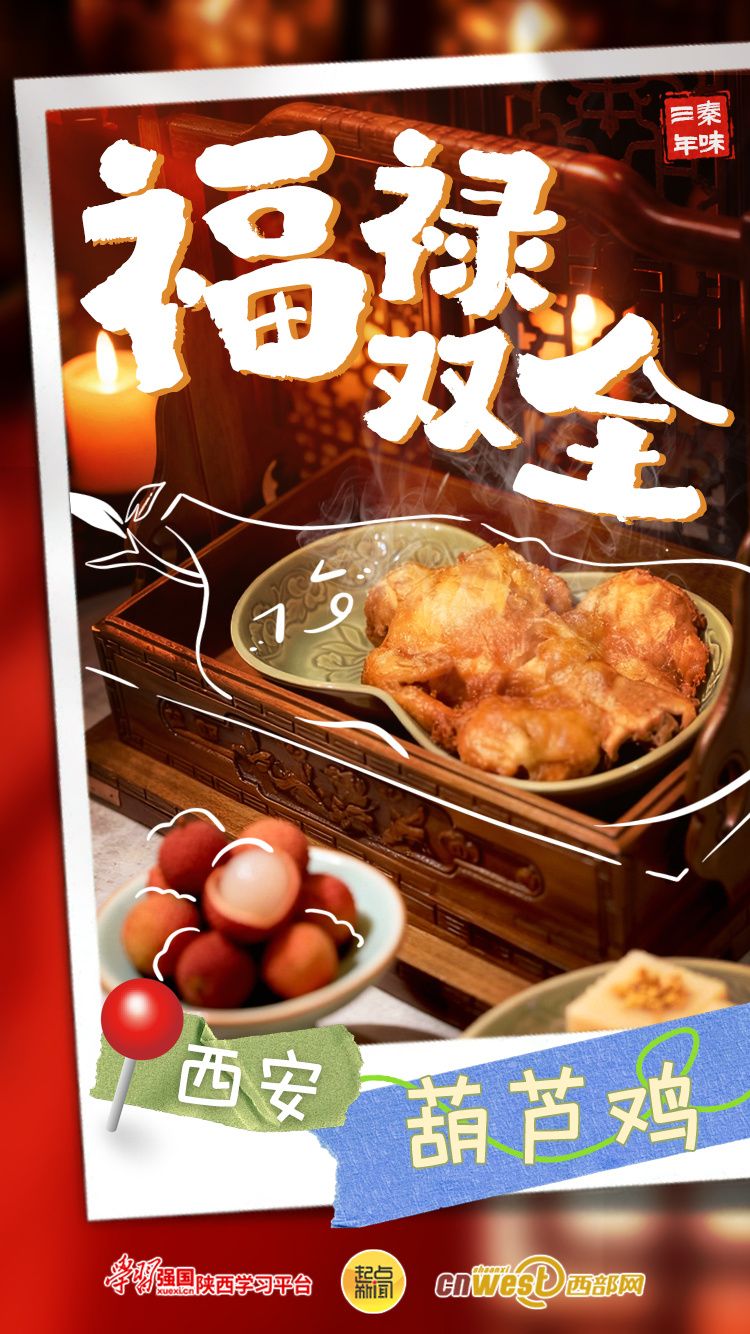
Group 1 - The article discusses the origin and preparation method of HuLu Chicken, a traditional dish from Xi'an, which is believed to have been created during the Tang Dynasty by Wei Zhi, a minister [3] - HuLu Chicken is characterized by its unique cooking process, which involves tying the chicken with fine string, boiling, steaming, and then frying, resulting in a tender and fragrant dish that retains its shape [3] - The dish is considered an essential part of Chinese dining culture, often associated with celebrations and significant events, earning the title "the first taste of Chang'an" [3]

味贯九州,艺动山河!《团圆年·家乡味——中国人的年夜饭》唤醒全民年味记忆
Xiao Fei Ri Bao Wang· 2026-02-13 08:59
Core Viewpoint - The program "Reunion Year: Hometown Flavor - Chinese New Year's Eve Dinner" serves as a cultural celebration that connects regional flavors, culinary traditions, and emotional ties, showcasing the essence of reunion through food and art [1][3][13] Group 1: Program Overview - The program, launched on February 11, has sparked a nationwide cultural wave, achieving high levels of online discussion and interaction, and receiving positive market attention and acclaim [3] - It features a variety of traditional dishes from different regions, highlighting the cultural significance and craftsmanship behind each dish, thus presenting a rich tapestry of Chinese culinary culture [4][6] Group 2: Cultural Significance - Each dish carries deep-rooted cultural meanings, reflecting hopes and blessings for the new year, such as "abundance" and "family reunion," which resonate with the program's core theme of reunion [6][11] - The program integrates culinary arts with various forms of performing arts, creating an immersive experience that enhances the festive atmosphere and emotional connection among viewers [7][9] Group 3: Multi-Dimensional Engagement - The program employs a multi-channel communication strategy, leveraging both traditional media and new media platforms to reach diverse audiences and deepen emotional connections with the theme of reunion [12] - Interactive elements, such as social media engagement and special promotions, encourage viewers to share their own culinary traditions, further embedding the theme of reunion into everyday life [12][13]
从萝卜到骏马:可食用的年味艺术
Xin Lang Cai Jing· 2026-02-02 09:47
Core Viewpoint - The article highlights the artistic transformation of radishes into horse sculptures, symbolizing the fusion of Chinese culinary culture, folk art, and New Year traditions, encouraging modern creativity to preserve these traditions [1] Group 1 - The transformation of radishes into galloping horses showcases craftsmanship and cultural significance [1] - Each carving reflects the warmth of cultural heritage and conveys blessings [1] - The initiative invites participation in the "Horse Year Art Challenge" to create and share horse-themed artworks, promoting the continuation of traditional practices in contemporary forms [1]
《食藝》为青年读者打开文化“寻味”之旅
Xin Lang Cai Jing· 2026-01-29 08:28
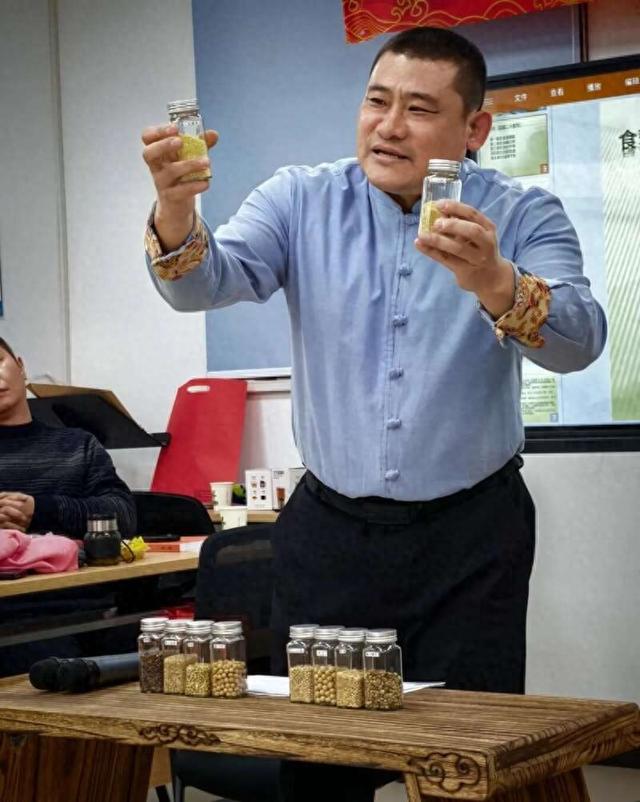
Core Perspective - The newly published book "Food Art" explores the historical roots and cultural essence of Chinese culinary traditions, aiming to reveal the grand narrative of civilization through everyday food [1][4]. Group 1: Cultural Exploration - The book focuses on the core of cultural origins, systematically analyzing the symbiotic relationship between food and Chinese civilization over 5,000 years through various dimensions such as text, artifacts, ingredients, and history [1][4]. - The author, Huang Tao, emphasizes the importance of uncovering the historical origins and cultural significance behind each ingredient and dish, allowing readers to appreciate the underlying civilization within food [1][3]. Group 2: Artistic Integration - Huang Tao discusses the evolution of food from the domestication of grains in the Neolithic era to the refined cooking techniques of the "Eight Culinary Traditions," illustrating how "food" and "art" intertwine within Chinese culture [3][4]. - The book details the rituals and aesthetics associated with dining, revealing how food transcends mere sustenance to become "living art" [4]. Group 3: Research Methodology - To complete the book, Huang Tao visited over 30 cities and towns, consulting a vast array of ancient texts and archaeological materials, striving for a balance between academic rigor and accessibility for a broader audience, particularly the younger generation [4].
今日腊八,要做这些事!
Xin Hua Wang· 2026-01-26 11:07
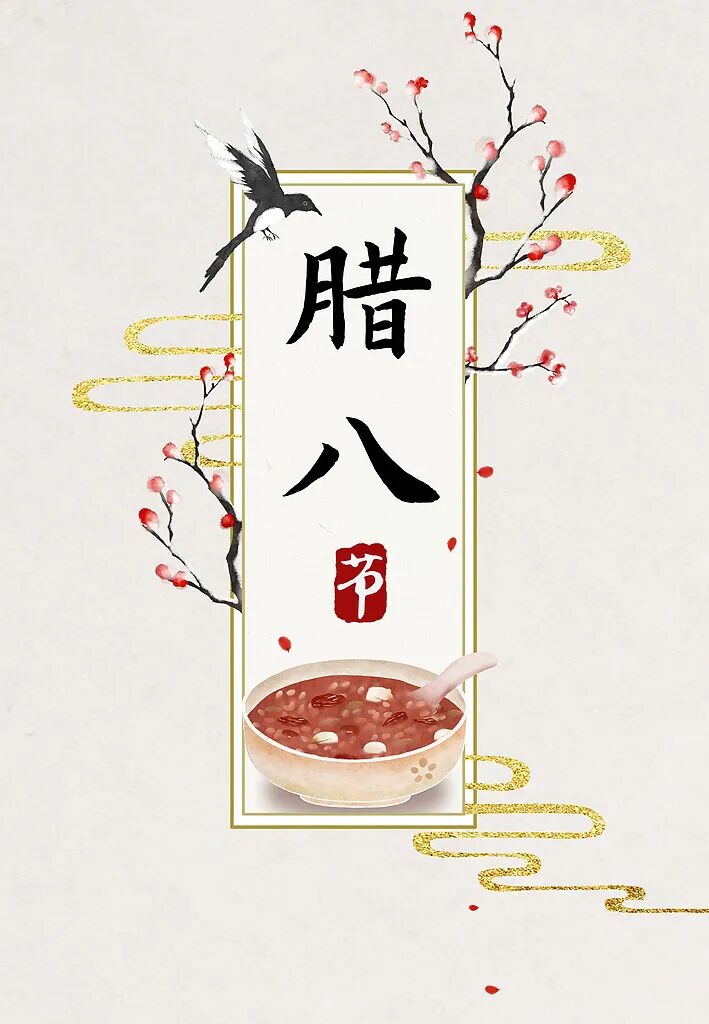
Group 1 - The core cultural significance of the Laba Festival is highlighted, marking the anticipation of the New Year and the unique traditions associated with this day [5][26] - The Laba Festival, also known as "Laba," has its origins in ancient sacrificial rituals, where people would offer sacrifices to ancestors and pray for a good harvest and family safety [5][26] - The festival is celebrated on the 8th day of the 12th lunar month, which is fixed as Laba Day, and it has evolved over time from its initial variable date [5][26] Group 2 - A key tradition of the Laba Festival is the preparation and consumption of Laba porridge, which includes a variety of grains and nuts, symbolizing good fortune and health [7][12] - The ingredients of Laba porridge vary by region, with some areas preferring sweet versions while others opt for savory or spicy variations, showcasing the diversity of Chinese culinary culture [11][12] - The cooking process of Laba porridge is a communal activity that reflects the warmth of family and the joy of the season, emphasizing the importance of home and tradition [8][12] Group 3 - In addition to Laba porridge, various other food customs are associated with the festival, such as pickling Laba garlic and making Laba noodles, each with its own regional twist [15][20] - The festival serves as a precursor to the Spring Festival, with families beginning preparations for the New Year, including cleaning, decorating, and purchasing festive goods [26][28] - The atmosphere of anticipation for the New Year is palpable, with communities engaging in festive activities and preparations, enhancing the sense of togetherness and celebration [30][33]
九大碗里的匠心味
Xin Lang Cai Jing· 2025-12-21 17:39
Core Insights - The article highlights the cultural and culinary significance of the "Nine Big Bowls," a traditional dish from the ancient town of Zhuodao, which has evolved over three centuries to reflect a blend of various regional flavors and cooking techniques [1][2][5] Group 1: Cultural Significance - The number "nine" symbolizes completeness and auspiciousness in Chinese culture, transcending its numerical value to represent cultural heritage and communal bonds [2] - The "Nine Big Bowls" dish embodies the wisdom of Zhuodao's ancestors and the diverse flavors brought by immigrants, merging the spicy essence of Sichuan cuisine with the fresh and sweet tastes from Hubei and Hunan [2][3] Group 2: Culinary Techniques - The preparation of the "Nine Big Bowls" involves meticulous steaming techniques, with a focus on high-quality ingredients such as black-haired pigs and free-range chickens, showcasing the importance of detail in traditional cooking [3][4] - The dish's flavor profile is a result of a harmonious blend of local and immigrant culinary practices, reflecting the historical interactions of different cultures in the region [3][4] Group 3: Business Development - Since the 1994 economic reforms, the "Nine Big Bowls" restaurant has gained popularity due to its authentic flavors and affordable prices, establishing itself as a unique culinary offering amidst a variety of other regional cuisines [4] - The restaurant has expanded its menu to include modern variations of the traditional dish, appealing to a broader audience while maintaining its cultural roots [4]
“排队40分钟,就为一份鲜美蚵仔煎”(宝岛纪行)
Ren Min Ri Bao· 2025-11-16 01:02
Core Insights - The article highlights the cultural significance and enduring popularity of Ningxia Night Market in Taipei, showcasing its traditional food offerings and the community atmosphere that attracts both locals and tourists [1][3][4] Group 1: Market Overview - Ningxia Night Market is a traditional market located in the center of Taipei, characterized by its long-standing food stalls and a vibrant atmosphere [3] - The market features over 180 stalls, with a layout that allows for limited pedestrian pathways and a single vehicle lane, creating a unique dining experience [3] Group 2: Food Offerings - Signature dishes include "Oyster Omelette" from "Yuanhuan Bian" which has been operating since 1965, and "Braised Pork Rice" from "Niu Mama" which has been serving customers for over 60 years [1][2] - The Oyster Omelette is prepared with fresh oysters and has received recognition in the Michelin Guide, reflecting its quality and popularity [1] - The Braised Pork Rice is noted for its affordability and rich flavor, making it a staple choice for visitors [2] Group 3: Cultural Significance - Ningxia Night Market serves as a cultural bridge, connecting culinary traditions from Taiwan and the Fujian region of mainland China, emphasizing the shared heritage [2][4] - The market is not only a tourist attraction but also a vital part of the local economy, with over 90% of stalls being family-run businesses that serve thousands of customers daily [3]
百位厨师对决《一饭封神》,展现中华饮食“守正出新”文化活力
Xin Jing Bao· 2025-08-27 04:11
Core Viewpoint - The newly launched food competition show "Yi Fan Feng Shen" successfully taps into the revival of the restaurant industry and reflects the growing cultural confidence among the public, transforming online traffic into offline consumption and cultural influence, making it a high-quality example of a popular show [2] Group 1: Show Overview - "Yi Fan Feng Shen" gathers 100 outstanding chefs who showcase their skills in a diverse competition format, embodying the spirit of Chinese cuisine [1][2] - The show emphasizes a professional spirit of "regardless of background, only strength matters," establishing a serious competitive atmosphere [3] Group 2: Professionalism and Production - The show features a multi-dimensional evaluation system led by renowned figures such as Xie Tingfeng and Zhang Yong, focusing on ingredient understanding, technique application, and creative expression [3] - The production team, in collaboration with the Tencent video team, has created a professional stage and kitchen setup, with guidance from the director of "A Bite of China" [3] Group 3: Chef Narratives - The show breaks stereotypes by focusing on the value of chefs, presenting a diverse and authentic portrayal of Chinese chefs, including stories of personal growth and professional development [4] - Notable participants include a 57-year-old chef who found confidence in the kitchen and a young chef who has already achieved significant recognition at 22 [4] Group 4: Cultural Impact and Market Response - "Yi Fan Feng Shen" has a significant impact on the restaurant industry, activating the consumer market and enhancing public recognition of Chinese culinary culture [6] - Following the show's airing, several participating chefs' restaurants experienced substantial increases in popularity and revenue, with some reporting sales growth exceeding 365% [6]
上菜!岭南咸香奔赴与新疆的“舌尖之约”|舌尖六味·尝尽岭南②
Nan Fang Nong Cun Bao· 2025-06-20 10:35
Core Viewpoint - The article highlights the promotion of Guangdong cuisine in Xinjiang, showcasing the unique flavors of "Lingnan salty" dishes during the upcoming Asia-Europe Commodity Trade Expo [4][30]. Group 1: Event Details - The promotional event "Jiangpin South, Yuepin North" will take place from June 26 to June 30, featuring Guangdong food in Xinjiang [3][30]. - The event coincides with the 2025 Asia-Europe Commodity Trade Expo, where Guangdong's distinctive culinary offerings will be prominently displayed [4][30]. Group 2: Culinary Highlights - The article emphasizes the six flavors of Guangdong cuisine: sweet, salty, sour, cured, sweet, and fragrant, inviting readers to explore the culinary charm of Guangdong [5][30]. - Salty dishes from Guangdong, such as Chaozhou marinated goose and Yangjiang fermented black bean fish, are noted for their unique flavors and techniques that enhance the freshness of the ingredients [7][30]. Group 3: Cooking Techniques - The preparation of Chaozhou marinated goose involves meticulous techniques, including multiple rounds of marination to ensure the meat absorbs the rich flavors [10][12]. - Yangjiang fermented black bean fish combines fresh fish with fermented black beans, creating a dish that is both flavorful and easy to preserve [18][20]. - The making of Chaozhou beef balls requires fresh beef and skilled hand techniques to achieve the desired texture and flavor [23][25]. Group 4: Anticipation for the Event - The article expresses excitement about the culinary exchange between Guangdong and Xinjiang, anticipating the unique interactions and experiences that will arise from this event [30][31].
