稀土开发合作

Search documents
高市早苗希望日美共同开发南鸟岛稀土
日经中文网· 2026-02-15 08:06
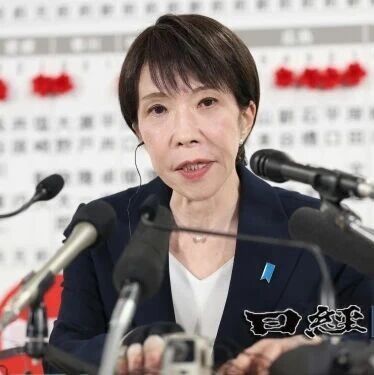
日本已于2025年10月同访问日本的特朗普总统交换题为"通过采掘与加工确保关键矿产和稀土供应的日 美框架"的文件。高市早苗希望将南鸟岛附近的采掘项目也纳入合作事项。 日本在冶炼等加工技术方面具有优势,但过去无法在本国生产。南鸟岛附近开采稀土实现商业化仍面临 包括量产和运输在内的诸多挑战,高市早苗认为日美存在合作空间。 中国将关键矿产和稀土出口限制作为外交筹码,是日美共同关切。高市早苗将于3月19日在白宫与特朗 普进行会谈,有可能讨论相关内容…… 日本首相高市早苗就小笠原群岛南鸟岛(东京都)附近的稀土开发,表示希望与美国开展合作。该议题 有可能在3月的日美首脑会谈中讨论。双方旨在构建不过度依赖中国的供应链。 高市早苗2月8日晚在日本放送节目中提及由内阁府主导、已成功实施含稀土泥试验性钻探的计划,并表 示:"希望让美国也切实参与进来,加快推进"。 日本首相高市早苗2月8日在自民党本部 中日关系恶化,中国已限制对日出口稀土相关产品。导火索是高市早苗在2025年11月国会答辩中表示, 台湾发生紧急事态可能构成日本"存立危机事态"。 中美因特朗普关税和稀土出口限制问题对立,谈判期限不断延后。美国也在探索与日本、欧洲等志 ...

高市称日美将探讨推进南鸟岛稀土合作的方式
日经中文网· 2025-11-06 08:00
Group 1 - The core viewpoint of the article highlights Japan's commitment to diversifying its rare earth procurement channels in collaboration with the United States, emphasizing the importance of this partnership for both nations [1][3]. - Japanese Prime Minister Fumio Kishida signed a cooperation document in the rare earth sector with U.S. President Donald Trump during their meeting in October [3]. - Japan plans to begin experimental excavation in the waters near Minami-Torishima (South Bird Island) starting January 2026 [1][3].

与美稀土合作惹争议?泰国总理出面回应
Shang Wu Bu Wang Zhan· 2025-10-29 16:03
Core Viewpoint - The signing of the Memorandum of Understanding (MOU) between Thailand and the United States regarding rare earth minerals aims to reduce production costs and enhance product efficiency, despite concerns about environmental impacts and national interests [1] Group 1: MOU Details - The MOU is intended to utilize various minerals to lower production costs and improve product efficiency, with Thailand yet to fully develop its rare earth resources [1] - The MOU stipulates that all cooperation must be fair, adhere to good governance, and comply with Thai constitution and regulations, which are standard terms for Thailand's acceptance of cooperation [1] Group 2: Thailand's Position in Rare Earth Production - According to the U.S. Geological Survey's 2024 data, Thailand ranks as the sixth largest producer of rare earth minerals globally, with China being the largest [1] - The top ten countries in global rare earth production include China, the United States, Myanmar, Australia, Nigeria, Thailand, India, Russia, Madagascar, and Vietnam [1]
俄打出最不该打的“稀土牌”,要给美国开后门?中国必须提高警惕
Sou Hu Cai Jing· 2025-06-24 03:30
Core Viewpoint - Russia's President Putin expressed willingness to collaborate with the U.S. on rare earth mineral development, particularly in the Donbas region, highlighting the strategic importance of rare earths in modern industries, including defense and technology [1][3]. Group 1: Rare Earth Market Dynamics - China holds a dominant position in the global rare earth market, with over 80% of processing capacity and significant reserves [3]. - The U.S. faces a supply shortage of rare earths due to sanctions on Chinese high-tech industries and export controls imposed by China [3][4]. - Russia claims to have substantial rare earth reserves, with 2850 million tons of rare earth resources, potentially increasing with the inclusion of occupied Ukrainian territories [3][4]. Group 2: Russia's Strategic Considerations - Russia aims to improve relations with the U.S. through rare earth cooperation, especially after the deterioration of U.S.-Russia relations post-Ukraine conflict [4]. - The country faces technical and financial challenges in rare earth development, with most reserves located in remote and harsh climates, necessitating foreign collaboration for technological and financial support [4][6]. Group 3: Challenges in U.S.-Russia Cooperation - The high cost and difficulty of mining rare earths in Russia pose significant barriers to collaboration [6]. - The U.S. also lacks sufficient refining technology, making it reliant on China for processing, even if it successfully mines rare earths [6]. - Trust issues between the U.S. and Russia complicate the establishment of a stable cooperative relationship in the rare earth sector [6]. Group 4: China's Response Strategies - China should enhance its technological barriers by investing in rare earth processing and refining technologies to maintain its competitive edge [7]. - Strategic reserves of rare earths should be optimized to ensure domestic industry needs are met amid international market fluctuations [7]. - China is encouraged to diversify its international partnerships in the rare earth sector to solidify its position in the global supply chain [7][9]. - Strict export controls should be maintained to safeguard national interests and prevent resources from reaching adversarial markets [7][9].