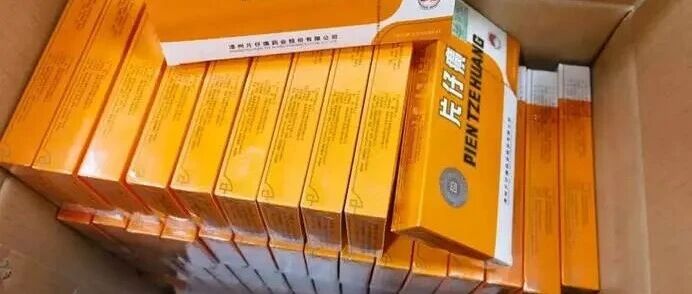
稀缺性+提价增长模式

Search documents
一代“神药”,也卖不动了!
Feng Huang Wang Cai Jing· 2025-10-24 14:18
Core Viewpoint - The company Pianzaihuang has ended its decade-long growth story, reporting significant declines in revenue and net profit for the first three quarters of 2025, indicating challenges to its previously successful growth model based on scarcity and price increases [1][2][3] Financial Performance - For the first three quarters of 2025, Pianzaihuang reported revenue of 7.442 billion yuan, a year-on-year decrease of 11.93%, and a net profit of 2.129 billion yuan, down 20.74% [1][2] - In Q3 2025, revenue was 2.064 billion yuan, down 26.28% year-on-year, with net profit at 687 million yuan, a decline of 28.82% [1][2] - The company's core business, pharmaceutical manufacturing, saw revenue of 4.016 billion yuan, accounting for 54.09% of total revenue, but experienced a 12.93% decline in revenue and a 7.51 percentage point drop in gross margin to 59.38% [2][3] Product Performance - The core product, Pianzaihuang liver disease medication, generated revenue of 3.880 billion yuan, down 9.41% year-on-year, with a gross margin decrease of 9.68 percentage points to 61.11% [3] - The newly acquired product, Angong Niuhuang Wan, faced a significant decline, with revenue of 93.44 million yuan, down 65.20% year-on-year [3] Market Sentiment - Following the release of the Q3 report, Pianzaihuang's stock price fell by 5.78% on the first trading day, closing down 4.71% at 187.09 yuan per share [4] - The company's inventory has risen to over 6.16 billion yuan, up from 4.97 billion yuan at the end of the previous year, indicating weak sales [4] Historical Context - Pianzaihuang was once celebrated as the "Moutai of medicine," with a market capitalization that peaked above 290 billion yuan, but has since lost nearly 180 billion yuan in value [1][2] - The company had previously enjoyed a high price-to-earnings ratio of 160 times and a market cap nearing 300 billion yuan during its peak [3] Supply Chain and Cost Issues - The cost structure of Pianzaihuang is heavily reliant on rare raw materials, which account for over 90% of total costs, making it vulnerable to price fluctuations [7][8] - The price of natural cow bile, a key ingredient, has surged from approximately 350,000 yuan per kilogram in 2019 to around 1.7 million yuan per kilogram in 2025, significantly impacting profit margins [7][8] Strategic Shifts - The company plans to explore new market channels, including traditional medicine, medical aesthetics, and high-end elderly care, in an attempt to revitalize demand [12]

一代“神药”,也卖不动了
投中网· 2025-10-23 06:30
Core Viewpoint - The article discusses the significant decline in the performance of Pizhou Huang, a company once celebrated for its rapid growth and high market valuation, highlighting its recent financial struggles and the challenges it faces in maintaining its previous growth model [5][9][24]. Financial Performance - In the third quarter of 2025, Pizhou Huang reported a revenue of 20.64 billion yuan, a year-on-year decrease of 26.28%, and a net profit of 6.87 billion yuan, down 28.82% [5][10]. - For the first three quarters of 2025, total revenue was 74.42 billion yuan, representing an 11.93% decline, while net profit fell by 20.74% to 21.29 billion yuan [5][10]. - The company's core pharmaceutical manufacturing segment saw a revenue drop of 12.93%, with a gross margin decrease of 7.51 percentage points to 59.38% [10][11]. Market Dynamics - Pizhou Huang's market value has decreased significantly, from a peak of 290 billion yuan to 111.8 billion yuan, losing nearly 180 billion yuan in market capitalization [5][9]. - The company is experiencing a shift in consumer behavior, with reduced demand for its products as middle-class consumers tighten their spending [7][24]. Product Performance - The core product, a liver disease medication, generated 38.80 billion yuan in revenue, down 9.41% year-on-year, while another key product, the Angong Niuhuang Wan, saw a dramatic revenue drop of 65.20% to 934.36 million yuan [13][24]. - The company has faced challenges in maintaining its pricing strategy, with actual market prices for its products falling below official retail prices, indicating a disconnect between supply and demand [24][25]. Cost Structure - The rising costs of raw materials, particularly natural ingredients like cow bile and musk, have significantly impacted profit margins, with cow bile prices soaring from approximately 350,000 yuan per kilogram in 2019 to around 1.7 million yuan per kilogram in 2025 [22][23]. - The company has historically relied on price increases to offset rising costs, having raised prices over 20 times since its listing in 2003, but this strategy has begun to falter [23][24]. Strategic Response - In response to declining sales, Pizhou Huang plans to explore new market channels, including traditional medicine, aesthetic medicine, and high-end elderly care, to create new consumption scenarios [25].


一代“神药”,也卖不动了
Feng Huang Wang Cai Jing· 2025-10-22 04:09
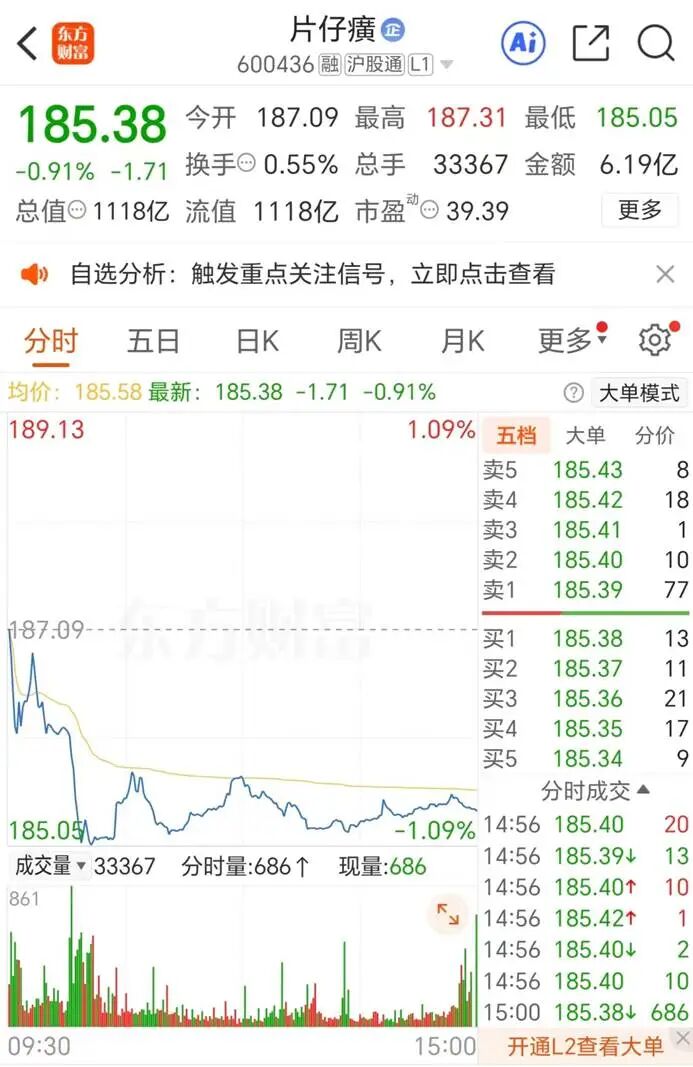
Core Viewpoint - The company Pianzaihuang has ended its decade-long growth story, reporting significant declines in revenue and net profit for the first three quarters of 2025, indicating challenges to its previously successful growth model based on scarcity and price increases [1][4][21]. Financial Performance - For the first three quarters of 2025, Pianzaihuang reported revenue of 7.442 billion yuan, a year-on-year decrease of 11.93%, and a net profit of 2.129 billion yuan, down 20.74% [1][5]. - In Q3 2025 alone, revenue was 2.064 billion yuan, down 26.28%, and net profit was 687 million yuan, a decline of 28.82% [1][5]. - This marks the worst performance for the company in nearly a decade, breaking a trend of continuous growth from 2015 to 2024 [4][21]. Market Capitalization - Pianzaihuang's market capitalization has dropped significantly from a peak of 290 billion yuan to 111.8 billion yuan, losing nearly 180 billion yuan in value [2]. Business Segments - The pharmaceutical manufacturing segment generated revenue of 4.016 billion yuan, accounting for 54.09% of total revenue, but saw a year-on-year decline of 12.93% [5][6]. - The pharmaceutical distribution segment reported revenue of 2.887 billion yuan, down 8.45%, while the cosmetics segment earned 400 million yuan, a decrease of 23.82% [6][7]. Key Products - The core product, the liver disease medication series, generated 3.880 billion yuan in revenue, down 9.41%, with a gross margin decrease of 9.68 percentage points to 61.11% [8]. - The newly acquired product, Angong Niuhuang Wan, faced a significant revenue drop of 65.20%, earning only 93.4 million yuan [8][21]. Supply Chain and Cost Issues - The company faces rising costs due to the scarcity of key raw materials, with prices for natural cow bile increasing from approximately 350,000 yuan per kilogram in 2019 to around 1.7 million yuan per kilogram in 2025 [18][20]. - The cost structure is heavily influenced by these raw materials, which account for over 90% of total costs, leading to a significant squeeze on profit margins [18][20]. Market Sentiment - Following the release of the Q3 report, Pianzaihuang's stock price fell by 5.78% on the first trading day, closing down 4.71% at 187.09 yuan per share [10]. - The company has seen a reduction in holdings by major investors, including a 45.43% reduction by Hong Kong Central Clearing [8][21]. Strategic Challenges - The company is attempting to explore new markets and channels, including traditional medicine, medical aesthetics, and high-end elderly care, to revitalize demand [21].
一代“神药”,也卖不动了
凤凰网财经· 2025-10-22 02:18
Core Viewpoint - The company Pianzaihuang has ended its decade-long growth story, reporting significant declines in revenue and net profit in its Q3 2025 financial results, indicating a severe challenge to its previously successful growth model based on scarcity and price increases [1][2][5] Financial Performance - In the first three quarters of 2025, Pianzaihuang reported revenue of 7.442 billion yuan, a year-on-year decrease of 11.93%, and a net profit of 2.129 billion yuan, down 20.74% [1][6] - Q3 alone saw revenue drop to 2.064 billion yuan, a decline of 26.28%, and net profit fell to 687 million yuan, down 28.82% [1][6] - This marks the worst performance in nearly a decade, breaking a trend of continuous growth from 2015 to 2024 [5] Market Position and Valuation - Once valued at over 290 billion yuan, the company's market capitalization has now evaporated by nearly 180 billion yuan, leaving it at 111.8 billion yuan [2] - The company was once celebrated as the "Moutai of medicine," but the current market sentiment has shifted, with consumers tightening their spending [4][5] Business Segments Performance - The pharmaceutical manufacturing segment generated 4.016 billion yuan, accounting for 54.09% of total revenue, but saw a year-on-year decline of 12.93% with a gross margin decrease of 7.51 percentage points to 59.38% [6][7] - The pharmaceutical distribution segment reported revenue of 2.887 billion yuan, down 8.45%, while the cosmetics segment fell to 400 million yuan, a decrease of 23.82% [7] Key Products and Sales Trends - The core product, the liver disease medication series, generated 3.880 billion yuan, down 9.41%, with a gross margin reduction of 9.68 percentage points to 61.11% [9] - The anticipated Angong Niuhuang Wan product faced a significant decline, with revenue plummeting 65.20% to 93.44 million yuan [9] - The company's inventory has surged to over 6.16 billion yuan, up from 4.97 billion yuan at the end of the previous year, highlighting sales difficulties [11] Cost and Pricing Strategy - The rising costs of key raw materials, such as natural musk and cow bile, have significantly impacted profit margins, with cow bile prices soaring from approximately 350,000 yuan per kilogram in 2019 to around 1.7 million yuan in 2025 [19][20] - The company has historically relied on price increases to offset rising costs, having raised prices over 20 times since its listing in 2003, but this strategy has begun to falter [20][23] - Despite maintaining a retail price of 760 yuan per piece, actual market prices have dropped below 500 yuan, indicating a disconnect between perceived value and market demand [25] Market Sentiment and Future Outlook - Following the release of the Q3 report, the stock price fell by 5.78% on the first trading day, closing down 4.71% at 187.09 yuan per share [12] - The company is exploring new market channels, including traditional medicine, medical aesthetics, and high-end elderly care, but the effectiveness of these efforts remains uncertain as the previous growth model has stalled [27]