空心村治理

Search documents
47.6%农村人口外流,武汉如何激活空心村闲置资源?
Di Yi Cai Jing Zi Xun· 2025-12-15 06:45
Core Viewpoint - The article discusses the phenomenon of "hollow villages" in Wuhan, where significant population outflow has led to demographic imbalances and economic decline in rural areas, highlighting the challenges and potential solutions for revitalizing these communities [4][6]. Group 1: Population Trends - Wuhan's rural population is projected to reach 2.0714 million by the end of 2024, with 985,000 people having migrated for employment, representing 47.6% of the rural labor force [2][4]. - The village of Wuxingkou has a permanent population of less than 200, with over 85% being elderly, indicating a severe demographic shift [2][5]. - The trend of labor migration is expected to continue, with predictions of ongoing population loss in hollow villages, primarily due to declining birth rates and the migration of families to urban areas [6][12]. Group 2: Economic and Agricultural Challenges - The article notes that the long-term vacancy rate of rural housing in Wuhan is between 15% and 18%, with some areas experiencing rates as high as 30% to 35% due to labor outflow [7][12]. - Agricultural productivity is severely hampered by the lack of young laborers, with many farms being operated by individuals over 70 years old, leading to low annual incomes for villages [7][10]. - The lack of sufficient construction land is a significant barrier to industrial and service sector development in rural areas, limiting opportunities for economic growth [12][14]. Group 3: Positive Developments and Solutions - Some hollow villages are leveraging historical architecture and unique agricultural products to foster cultural and creative industries, creating a "one village, one product" model [3][8]. - Initiatives such as the "village party organization + cooperative + farmer" model have been implemented to enhance agricultural efficiency and economic output, as seen in Xinbang Village, which has achieved an annual output value exceeding 90 million yuan [8][10]. - The article highlights the importance of effective land resource management to stimulate rural revitalization and industrial upgrades, suggesting that consolidating scattered land could enhance resource allocation efficiency [14][15].

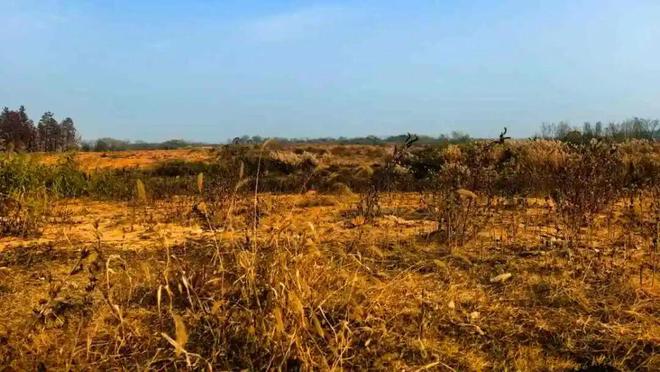
47.6%农村人口外流,武汉如何激活空心村闲置资源?
第一财经· 2025-12-15 06:34
Core Viewpoint - The article discusses the phenomenon of "hollow villages" in Wuhan, where significant population outflow has led to demographic imbalances and economic decline in rural areas. It highlights both the challenges and opportunities arising from this trend, including the underutilization of idle resources and the potential for revitalization through innovative agricultural practices and cultural tourism [3][6][10]. Group 1: Population Migration - Over 60% of the rural population in Wuhan has migrated to urban areas, driven by better job opportunities and living conditions in cities [5][6]. - As of early 2025, the rural labor force in Wuhan has reached 985,000, accounting for 47.6% of the rural population, indicating a significant trend towards urban migration [3][6]. - The demographic shift has resulted in a high proportion of elderly residents in rural areas, with villages like Wuxingkou having over 85% of their population aged 60 and above [3][7]. Group 2: Economic and Agricultural Challenges - The article notes that the hollowing out of villages is not only a demographic issue but also leads to the underutilization of land and agricultural resources, with a long-term vacancy rate of rural housing between 15% and 18% [10][9]. - In some areas, the vacancy rate has reached as high as 30% to 35%, particularly in remote villages, which hampers agricultural development and local economies [10][9]. - The lack of young laborers has severely restricted modern agricultural practices, with villages like Wuxingkou generating annual incomes of less than 200,000 yuan, insufficient to cover basic expenses [10][11]. Group 3: Revitalization Efforts - Some villages are adopting innovative models such as "village party organization + cooperatives + farmers" to enhance agricultural productivity and economic viability, as seen in Xinbang Village, which has achieved an annual output value exceeding 90 million yuan [11][12]. - Cultural tourism initiatives have emerged as a means of revitalization, with villages like Jinxiu Village transforming into popular tourist destinations, attracting over 1.7 million visitors and generating approximately 34 million yuan in revenue [14][15]. - The article emphasizes the importance of effective land management and resource utilization to stimulate rural economic growth and attract younger populations back to the countryside [20][15].
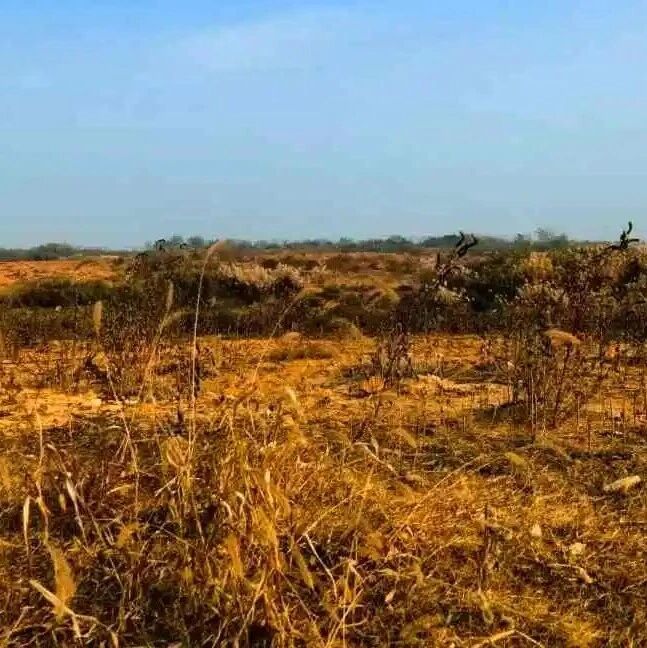
47.6%农村人口外流,武汉如何激活空心村闲置资源?|一线调查
Di Yi Cai Jing Zi Xun· 2025-12-14 02:44
Core Viewpoint - The phenomenon of "hollow villages" in Wuhan is characterized by significant population outflow, leading to an aging demographic and economic decline in rural areas, with over 60% of rural residents migrating to urban centers [3][4]. Group 1: Population Migration - Wuhan's rural population is projected to reach 2.0714 million by the end of 2024, with 985,000 people having migrated for employment, representing 47.6% of the rural labor force [3]. - The village of Wuxingkou has a permanent population of less than 200, with over 85% being elderly, indicating a lack of young residents aged 7 to 60 [3]. - The trend of labor migration is expected to continue, with predictions of ongoing population loss in hollow villages over the next decade, primarily due to declining birth rates [4]. Group 2: Economic and Agricultural Challenges - The long-term vacancy rate of rural housing in Wuhan is estimated to be between 15% and 18%, with some areas experiencing rates as high as 30% to 35% due to labor outflow [5]. - The economic activities in hollow villages are severely limited, with many agricultural tasks being performed by elderly residents, resulting in low annual incomes and insufficient funds for basic community services [6]. - The lack of young laborers has hindered modern agricultural development, with some villages generating annual revenues of less than 200,000 yuan [6]. Group 3: Positive Trends and Opportunities - Some hollow villages are leveraging historical architecture to boost cultural and creative industries, while others are adopting high-value agricultural practices to create unique local products [2]. - The establishment of cooperative models in certain villages has led to more efficient land use and improved economic outcomes, such as the formation of a cooperative in Xinbang Village that has significantly increased its agricultural output [6][8]. - The transformation of some villages into tourist attractions has shown potential for economic revitalization, as seen in the case of Jinxiu Village, which has successfully attracted visitors and generated substantial revenue [9]. Group 4: Land Use and Development Constraints - Insufficient construction land is a significant barrier to rural industrial upgrading, with many planned developments being halted due to land use regulations [10][12]. - The fragmentation of available land for industrial use complicates the development of new projects, limiting the potential for economic growth in hollow villages [12]. - Recommendations have been made for better management of rural land resources to enhance efficiency and support the revitalization of rural economies [12].