
空调节能

Search documents
短时间出门就关空调,你可能悄悄花掉更多钱
Qi Lu Wan Bao· 2025-07-23 03:01
Group 1 - The article discusses the energy-saving strategies for air conditioning usage when leaving home for a short period, specifically comparing fixed-frequency and variable-frequency air conditioners [3][7]. - Fixed-frequency air conditioners consume a constant amount of energy, and it is more economical to turn them off when leaving for a few hours [3][5]. - Variable-frequency air conditioners are more efficient when left on for short periods, as they consume less energy during operation compared to the energy required to restart [3][7]. Group 2 - The lifespan of air conditioners is primarily determined by the compressor, and minimizing the frequency of on-off cycles can extend the life of fixed-frequency models [7]. - Variable-frequency air conditioners operate at lower power levels, which can help prolong their lifespan if not frequently turned off and on [7]. - Safety concerns are raised regarding leaving air conditioners running while away from home, particularly if the unit is old or improperly installed, which could lead to fire hazards [8][9].

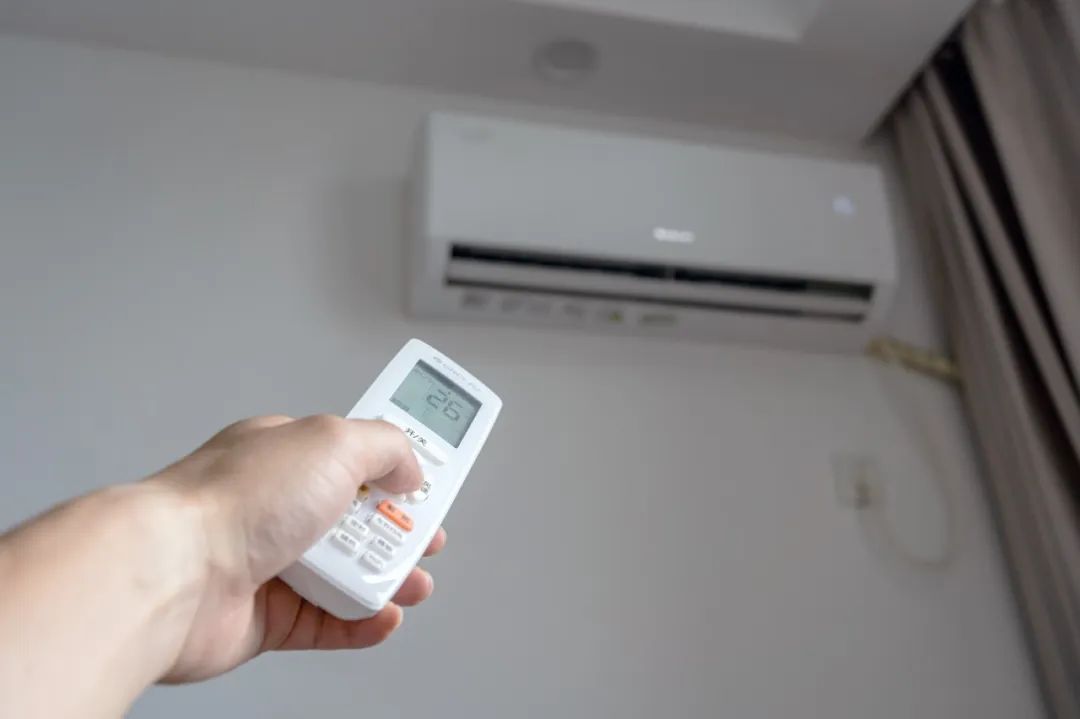
盛夏来临,如何正确使用空调(服务窗)
Ren Min Ri Bao· 2025-07-20 22:12
Core Viewpoint - The article emphasizes the importance of proper air conditioning usage to avoid health issues commonly referred to as "air conditioning disease," while also promoting energy efficiency during the summer months [1][2][3][4]. Group 1: Health Considerations - Improper use of air conditioning can lead to various health issues, including respiratory symptoms, muscle and joint pain, skin dryness, and general fatigue [1][2]. - Recommended indoor temperature settings are between 24 to 26 degrees Celsius, with a maximum continuous usage of 4 hours to prevent discomfort and health risks [2][3]. - Specific measures to prevent "air conditioning disease" include regular cleaning of air filters, avoiding direct cold air exposure, and maintaining humidity levels between 40% to 60% [2][3]. Group 2: Recommendations for the Elderly - Elderly individuals should be educated on the risks of high temperatures, which can lead to serious health issues, and should not avoid air conditioning due to fear of getting cold [3]. - Gradual adaptation to air conditioning is advised, starting with higher temperatures and adjusting based on comfort [3]. - It is suggested to use air conditioning in segments during the day and combine it with other cooling methods, such as fans, to enhance comfort and reduce reliance on air conditioning [3]. Group 3: Energy Efficiency - Setting the air conditioning temperature higher by 1 degree Celsius can reduce energy consumption by 6% to 8%, with a 15% savings when comparing 26 degrees Celsius to 24 degrees Celsius [4]. - To enhance cooling efficiency, it is recommended to ventilate the room before using the air conditioner and to use the "strong wind" or "quick cooling" mode initially [4]. - The article concludes with a reminder of the importance of maintaining a suitable temperature, ensuring regular ventilation, and keeping the air conditioning unit clean for optimal performance and health benefits [4].