穿越经济周期

Search documents
企业经营误区:被动应激与主动经营
Sou Hu Cai Jing· 2025-12-13 16:11
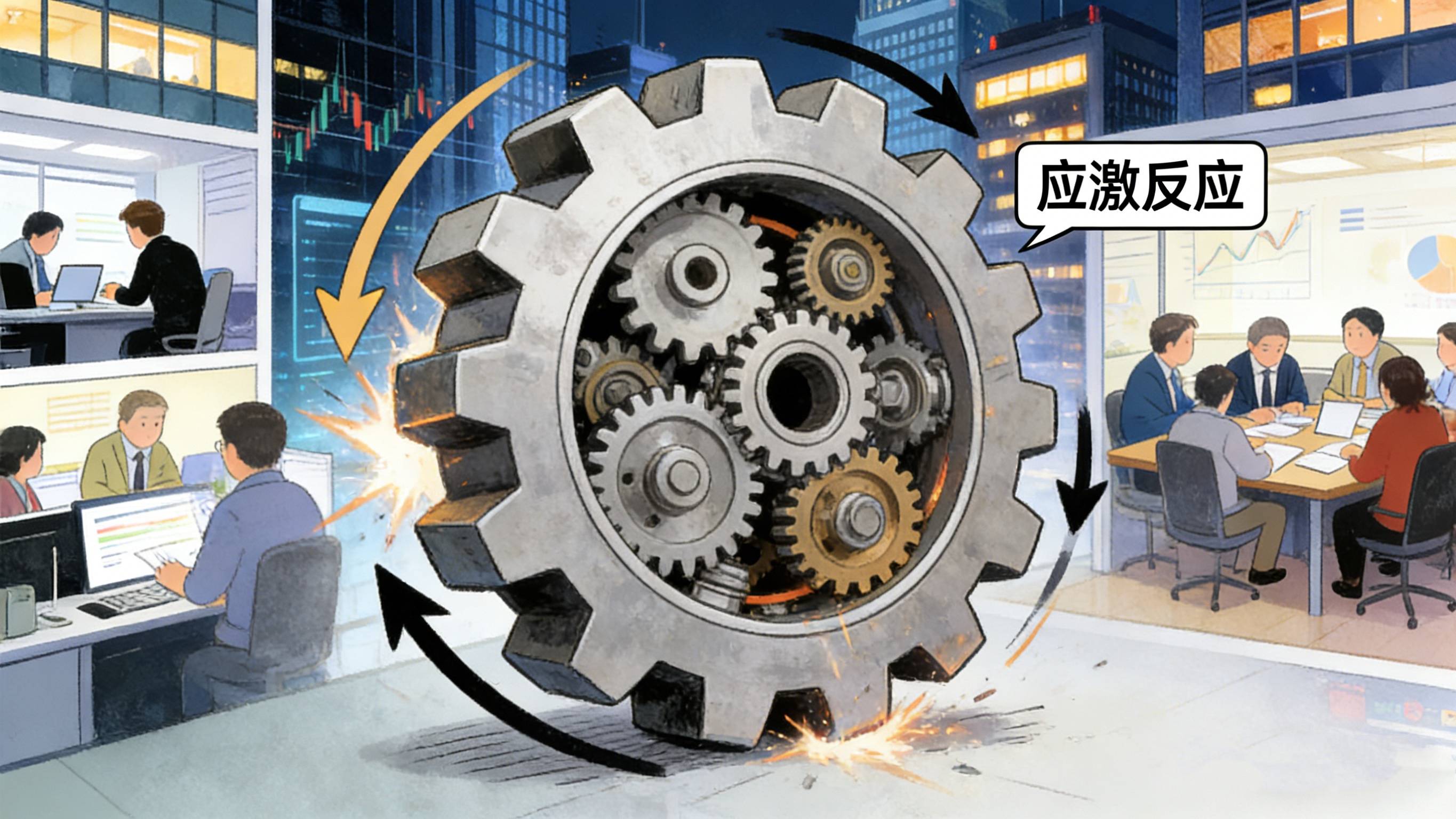
Core Viewpoint - Many companies appear to be proactive but are actually becoming more reactive in their operations, leading to increased stress and inefficiency [1] Group 1: Organizational Behavior - Organizations often attribute problems to external factors such as market conditions, competitors, policies, and customers, which leads to a reactive mindset [1] - This reactive approach results in a battle mode characterized by speed, target pressure, and intensity, which may yield short-term data improvements but incurs long-term hidden costs [1] Group 2: Long-term Implications - The three hidden costs of this reactive approach include emotional decision-making, reliance on coercive collaboration, and structural issues being masked by effort [1] - Companies that are truly successful in the long term do not simply work harder; they recognize their role in the outcomes and focus on structural adjustments to prevent recurring issues [1] Group 3: Strategic Shift - A significant shift in perspective is required for management, moving from a problem-chasing mentality to one that emphasizes structural adjustments to eliminate problems [1] - High-quality proactivity is not about increasing execution but about understanding which mechanisms amplify external shocks and which incentives create short-term gains at the expense of long-term effectiveness [1]

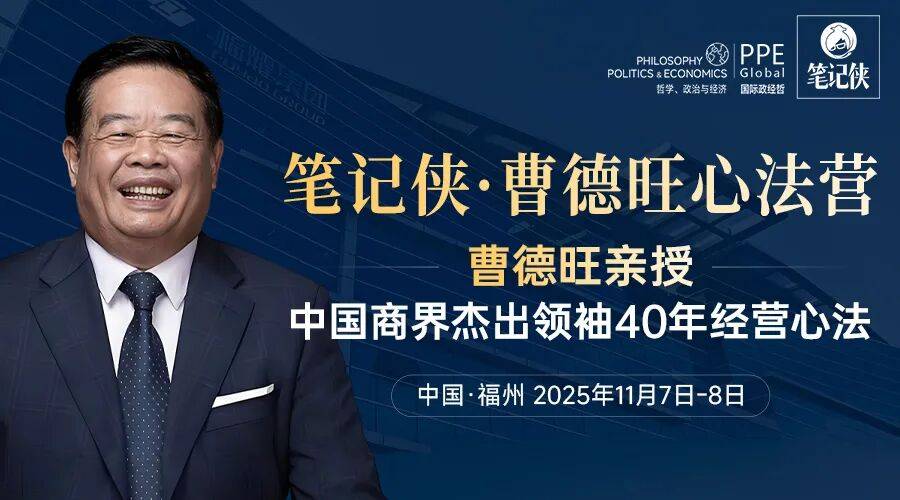
穿越周期,大道至简|笔记侠曹德旺心法营重磅发布
Sou Hu Cai Jing· 2025-09-11 14:04
Core Insights - The article discusses the common challenges faced by entrepreneurs in today's market, including survival difficulties, transformation challenges, and growth obstacles [2][3][4]. Group 1: Survival Challenges - The market is experiencing low growth, making traditional expansion strategies ineffective. Product homogenization leads to intense price competition, significantly compressing profit margins [3]. Group 2: Transformation Challenges - The digital transformation wave poses a dilemma: not adapting could lead to failure, while missteps in transformation could be detrimental. Companies face increased global competition and uncertainty in strategic direction [4]. Group 3: Growth Challenges - Organizations often have rigid thinking, where past successes become the root of current failures. There is a lack of innovation and declining team vitality, resulting in growth stagnation [4]. Group 4: Learning from Successful Models - The article highlights the importance of continuous learning and evolution to navigate through market challenges. It emphasizes learning from successful figures like Cao Dewang, founder of Fuyao Group, who has thrived through various economic cycles [5][6]. Group 5: Cao Dewang's Business Philosophy - Cao Dewang's approach focuses on long-term strength rather than rapid expansion. His company has achieved a global market share of 34% in the automotive glass sector, with profits accounting for 55% of the industry [6]. In 2024, Fuyao's revenue is projected to be 39.25 billion yuan, with a net profit of 7.5 billion yuan [6]. Group 6: Learning Opportunities - The article promotes an event where entrepreneurs can learn directly from Cao Dewang, emphasizing the practical wisdom gained from real-world experience rather than theoretical knowledge [8][12]. The event includes factory visits and discussions with Fuyao executives, providing insights into operational excellence and governance [20][21].