笑声经济

Search documents
杀进春晚的喜剧短剧什么来头?对话幕后造星孵化器
Xin Lang Cai Jing· 2026-02-18 15:12
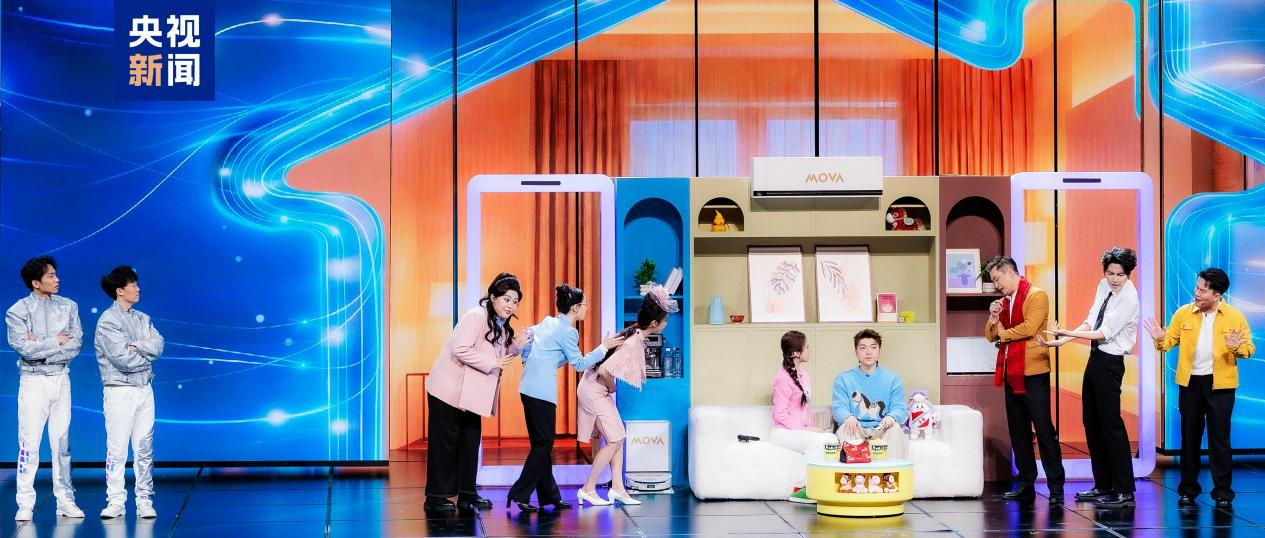
Core Viewpoint - The "China Comedy Dream Factory" has rapidly grown into a benchmark digital cultural project, successfully nurturing 18 new comedy stars who have gained national recognition through various performances, including the Spring Festival Gala [1][12]. Group 1: Comedy Stars and Performances - The new comedy stars, including Yao Yao, Li Yuanche, and Dong Jianwen, showcased their talents during the Spring Festival Gala, receiving enthusiastic applause for their performance "You Must Like" [2][9]. - The project has successfully integrated comedy with various cultural events, such as the Guangdong-Hong Kong-Macao Greater Bay Area Spring Festival Gala, where new stars performed unique comedic pieces [4][9]. Group 2: Talent Development System - The "China Comedy Dream Factory" has established a three-tier talent cultivation system: a talent reservoir, a content experimentation stage, and a top-tier output platform, providing comprehensive support for aspiring comedians [7][12]. - The project has successfully identified and nurtured new talent through programs like "Single Row Comedy Competition," which offers extensive rehearsal and mentorship opportunities [8][12]. Group 3: Economic and Cultural Impact - The rapid rise of the "China Comedy Dream Factory" is attributed to a mature talent incubation system and a comprehensive industry layout, contributing to the realization of a "laughter economy" in Chengdu [12][13]. - The project emphasizes a dual-track approach of online and offline integration, enhancing the comedy industry’s quality and promoting cultural consumption [12][13]. Group 4: Future Plans - In 2026, the project will focus on expanding the comedy talent pool into offline theaters, with plans for a national tour featuring new comedy productions [15][16]. - The initiative aims to leverage urban renewal opportunities and rural revitalization to create new value in the comedy sector, enhancing community engagement and cultural exchange [16].


“中国喜剧梦工厂”成造星孵化器 “欢乐成都造”闪耀马年春晚
Xin Lang Cai Jing· 2026-02-17 12:12
Core Viewpoint - The "Chinese Comedy Dream Factory" has rapidly grown into a benchmark digital cultural project for high-quality development in the integration of film and tourism, showcasing 18 emerging comedy stars during the 2025 Spring Festival Gala, bringing joy to audiences nationwide and globally [1][4]. Group 1: Performance Highlights - The comedy skit "You Must Like" featured new actors such as Yao Yao and Li Yuanche, capturing the daily lives of young people through short video algorithms, receiving enthusiastic applause [3]. - The participation of these new stars in various Spring Festival Galas, including the Guangdong-Hong Kong-Macao Greater Bay Area Spring Festival Gala, demonstrates their rising popularity and versatility [3][6]. Group 2: Talent Development System - The "Chinese Comedy Dream Factory" has established a three-tiered cultivation system: talent reservoir, content experimentation, and top-tier output, providing comprehensive support for aspiring comedians [4]. - This system allows ordinary individuals to transition into comedy stars, showcasing the effectiveness of the training and development process [4]. Group 3: Industry and Cultural Integration - The project's rapid rise is attributed to a mature talent incubation system and a comprehensive industry layout, supported by Chengdu's local digital cultural industry, leading to the realization of a "laughter economy" [7]. - The initiative emphasizes both online and offline strategies, with plans to launch popular variety shows and create a physical experience space for audiences to engage with comedy [8][9]. Group 4: Future Plans - In 2026, the focus will shift towards deepening offline engagement, encouraging comedy talent to transition from online platforms to live theaters, thereby expanding the boundaries of the comedy industry [9][10]. - A national tour featuring comedy stars from the "Chinese Comedy Dream Factory" is planned, with performances scheduled in major cities to enhance audience exposure to Chengdu's comedic talent [10].
成都文旅如何撬动“笑声经济”:一档喜综的消费跨越
Sou Hu Cai Jing· 2025-11-12 10:46
Core Insights - The article discusses the return of the comedy variety show "Single Row Comedy Competition 2," which aims to integrate online and offline experiences, leveraging Douyin live streaming for auditions and promoting local culture through innovative products like "Douban Coffee" [2][3][5] Group 1: Show and Product Integration - "Single Row Comedy Competition 2" utilizes Douyin live streaming for auditions, enhancing audience engagement and participation [5] - The introduction of "Douban Coffee," a fusion of Sichuan cuisine and coffee culture, serves as a unique product that embodies the show's abstract comedy theme and connects with urban culture [6][10] - The C6 Comedy Club in Shanghai, as the first offline experience space for the "China Comedy Dream Factory," has become a popular destination for fans and consumers [9][10] Group 2: Economic and Cultural Impact - The show represents a shift towards a new consumption model, termed "laugh economy," which integrates online engagement with offline consumer experiences [12][14] - The collaboration with Douyin facilitates smoother consumer transitions from online attention to offline purchases, enhancing the overall economic impact of the show [10][12] - The initiative aims to create a complete cycle from content production to cultural consumption, benefiting local tourism and cultural industries [14][18] Group 3: Strategic Development and Future Plans - Chengdu Cultural Tourism Group is strategically expanding its influence in the "film and tourism" sector, establishing a presence in Shanghai to leverage its market potential [15][16] - Future plans include the development of "Tianfu Small Box," a new consumption scenario that connects local products with entertainment IPs, further enhancing the integration of film and tourism experiences [18] - The ongoing efforts reflect a broader trend in the industry towards IP consumption and the exploration of new business models in the cultural tourism sector [18]