符号炫耀消费

Search documents
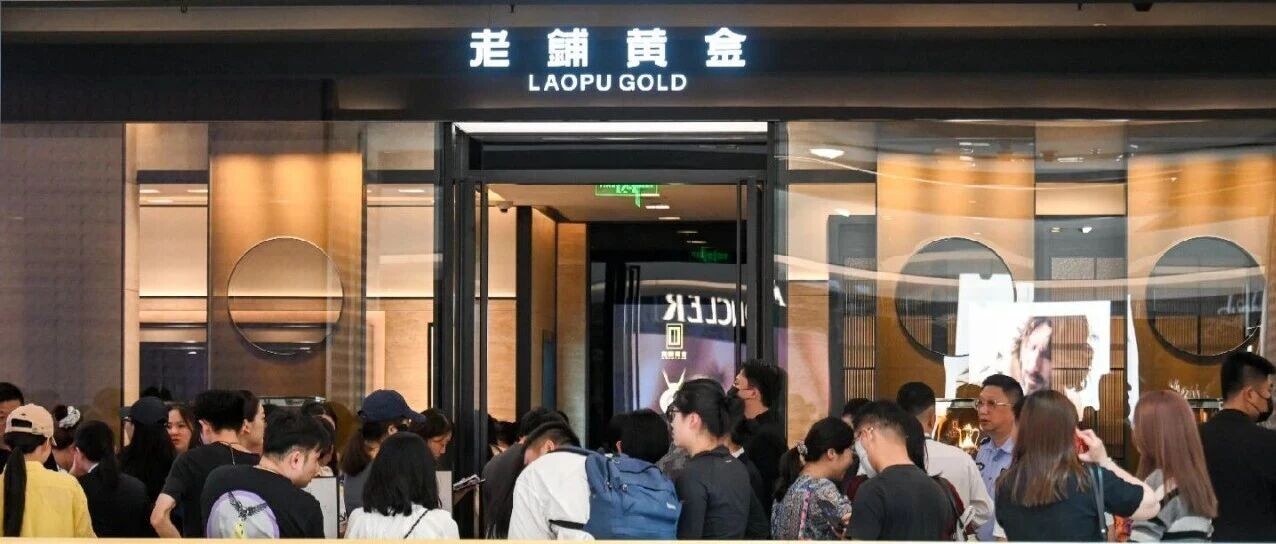
从符号炫耀到价值消费 老铺黄金引领中国高奢换轨
Jing Ji Guan Cha Bao· 2026-01-20 14:50
Core Insights - The high-end consumer market in China, traditionally dominated by Western brands, is being disrupted by the local brand Laopu Gold, which is experiencing significant growth amidst a global slowdown in luxury goods [1][7] - The luxury goods industry is at a crossroads, with a need for brands to rebuild trust through authenticity and value, as highlighted by Bruno Lannes from Bain & Company [1][2] Market Trends - The global luxury market is entering a critical adjustment phase, with the Chinese market expected to contract by 3% to 5% from 2022 to 2025, and the number of active customers decreasing from 400 million to 330 million [2] - There is a noticeable shift among high-net-worth individuals who are increasingly reluctant to display overt logos, indicating a move away from conspicuous consumption [2][3] Consumer Behavior - Chinese consumers are transitioning from a focus on brand logos to seeking products that represent cultural depth and craftsmanship, mirroring trends seen in Japan during the 1990s [3][4] - Laopu Gold's appeal lies in its emphasis on cultural assets and craftsmanship, which resonates with consumers' desire for meaningful and timeless products [3][5] Brand Strategy - Laopu Gold differentiates itself by focusing on traditional craftsmanship and cultural value rather than treating gold solely as a financial asset [4][5] - The brand has established a stable Eastern aesthetic that combines classic elements with modern expression, fostering a deeper connection with Chinese consumers [5] Competitive Landscape - In 2025, Laopu Gold became the only Chinese brand present in the top 10 commercial centers in China, achieving a half-year store efficiency of nearly 500 million, surpassing international luxury brands [7] - Laopu Gold is predicted to exceed the revenue of Richemont's jewelry business in China by 2025, indicating its competitive positioning against established luxury brands [7] Industry Implications - The rise of Laopu Gold signifies a shift in the luxury market, moving from a focus on price competition to a new value-based consumption model [7][9] - Traditional luxury brands face the challenge of adapting to this new consumer mindset, which prioritizes intrinsic value over mere brand symbolism [9]
当SKP的队伍转向老铺,奢侈品逻辑已改写
经济观察报· 2026-01-20 14:06
Core Viewpoint - The luxury goods industry is at a crossroads of price and value imbalance, with the brand Laopugold leading the way into a new era of value consumption through cultural, craftsmanship, aesthetic, and genuine product value [2][12]. Industry Overview - By 2025, Laopugold is expected to disrupt the long-standing dominance of Western brands in China's high-end consumer market, as it experiences a contrasting growth amidst a global slowdown in luxury goods [2][12]. - Bain & Company reports that the global luxury market is entering a critical adjustment phase, with the Chinese market projected to shrink by 3% to 5% from 2022 to 2025, and active customers decreasing from 400 million to 330 million [4]. - There is a notable shift among high-net-worth individuals who are increasingly reluctant to display overt logos, indicating a move away from "symbolic consumption" towards a more intrinsic value-based approach [4][5]. Shift in Consumer Behavior - Similar to the changes seen in Japan during the 1990s, Chinese consumers are moving away from ostentatious consumption towards brands that represent cultural depth and time-honored values [5][10]. - Laopugold's success is attributed to its focus on cultural assets and craftsmanship, appealing to consumers' desire for products that embody time and cultural significance [7][10]. Laopugold's Unique Value Proposition - Laopugold emphasizes craftsmanship through traditional techniques such as engraving and hammering, which enhances perceived value beyond just the gold price [9]. - The brand has established a stable Eastern aesthetic logic that prioritizes both classic and innovative designs, allowing products to transcend fleeting trends [9]. - Laopugold integrates Chinese cultural elements into its designs, creating a strong emotional connection with consumers [9][10]. Market Position and Future Outlook - In 2025, Laopugold is projected to become the only Chinese brand present in the top 10 commercial centers in China, with a half-year store efficiency nearing 500 million, surpassing that of leading international luxury brands [12][14]. - HSBC notes that Laopugold has transitioned from a "golden flywheel" to a "brand flywheel," establishing pricing power independent of gold price fluctuations, positioning it to compete with luxury giants like Tiffany and Richemont [14]. - The rise of Laopugold signifies a shift in the luxury market, moving from a focus on price wars to a new value system based on product quality, channel strategy, and brand establishment [14][15].