第二岛链

Search documents
日媒炒作“台湾有事,美军放弃撤离冲绳”
Huan Qiu Shi Bao· 2025-12-28 22:44
Group 1 - The core viewpoint of the article highlights that the U.S. military has revised its plan to relocate Marine Corps troops from Okinawa to Guam due to considerations regarding potential emergencies in Taiwan, indicating a strategic shift in U.S. military presence in the region [1][2] - The U.S. Marine Corps had previously agreed to transfer approximately 9,000 of the 19,000 stationed troops in Okinawa, with 4,000 moving to Guam and 5,000 returning to Hawaii and the U.S. mainland, marking the first overseas deployment shift since a 2006 agreement [1] - The latest reports suggest that the Marine Corps will now retain its infantry units in Okinawa under the command of the III Marine Expeditionary Force, which may impact the previously agreed relocation plan [1][2] Group 2 - The U.S. Marine Corps explained that the modification aims to maintain regional peace and stability by demonstrating a readiness to take significant action against hostile forces [2] - Japanese officials, including Chief Cabinet Secretary Hirokazu Matsuno, stated that the consensus between Japan and the U.S. remains unchanged, although there are ongoing considerations for alternative troop transfer plans [2] - Military experts indicate that the U.S. is likely to retain more personnel in Okinawa than initially planned, aligning with the new national security strategy focused on maintaining control over the "first island chain" and "second island chain" [2][3]
日本渲染辽宁舰穿越“第二岛链”,中方发声
Huan Qiu Shi Bao· 2025-06-09 22:36
Group 1 - The core viewpoint of the articles highlights China's increasing naval capabilities, particularly the recent activities of the aircraft carrier Liaoning in the Pacific Ocean, marking its first entry into the waters near Japan's Nakanoshima [1][2] - The Japanese government is closely monitoring the situation, with officials stating that they will ensure comprehensive surveillance and have raised concerns with China regarding the expanded operational range of the Liaoning [2] - Chinese military experts assert that the Liaoning's operations beyond the "second island chain" indicate a significant advancement in its training and operational capabilities, reflecting a normal progression for the Chinese navy [2] Group 2 - The presence of the Liaoning in the Pacific is seen as a response to the long-standing military activities of the U.S. Navy in the region, which has routinely crossed the "third island chain" and conducted exercises near China's maritime borders [3] - There is a perception of double standards in how Japan and its media respond to Chinese naval activities compared to those of Western nations conducting operations in the same region [3]
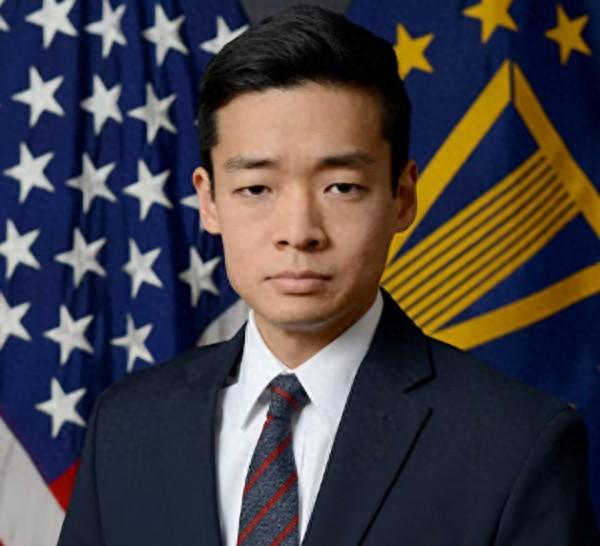
美国五角大楼任命印太事务负责人,曾频频炒作“中国威胁论”
Guan Cha Zhe Wang· 2025-06-05 09:13
Core Viewpoint - The appointment of John Noh as Assistant Secretary of Defense for Indo-Pacific Security Affairs highlights the U.S. focus on countering perceived threats from China in the region, amidst rising tensions between the U.S. and China [1][6]. Group 1: Appointment and Responsibilities - John Noh has been nominated to oversee military strategy and alliances in East and Southeast Asia, a critical role given the current geopolitical climate [1]. - Noh has previously served in various capacities within the Department of Defense, including as a legal advisor for the House's "China Task Force" and has been involved in defense cooperation in the Indo-Pacific region [3][6]. Group 2: Strategic Context - The U.S. is emphasizing the need for allies in Asia to increase defense spending, drawing parallels with European nations facing direct threats [7]. - Noh has publicly articulated concerns regarding China's military advancements and intentions, suggesting that the U.S. should bolster its defense capabilities and encourage allies to do the same [6][7]. Group 3: Regional Reactions - Analysts have expressed skepticism about the feasibility of U.S. calls for Asian allies to raise defense spending to 5% of GDP, citing differing strategic environments compared to Europe [7]. - The Chinese government has responded critically to U.S. officials' rhetoric on the China threat, asserting that the U.S. is the primary disruptor of peace and stability in the Asia-Pacific region [7].