精准发酵

Search documents
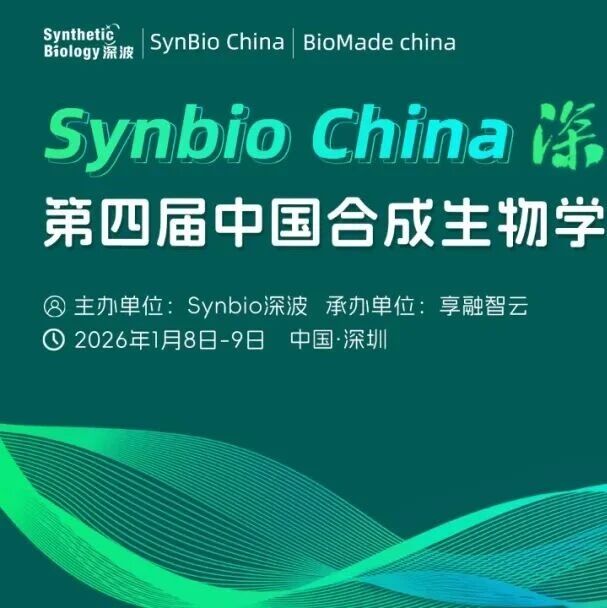
免费参会 | SynBio China第四届中国合成生物学及生物制造大会,2026年1月8-9日!
synbio新材料· 2025-11-04 10:11
Group 1 - The article emphasizes the strategic significance of synthetic biology and biomanufacturing as emerging industries that can reduce reliance on fossil resources, enhance agricultural productivity, and contribute to carbon neutrality goals [2] - The Chinese government has prioritized biomanufacturing in its 2025 work report, highlighting its immense development potential and strategic value [2] - Recent technological breakthroughs in China's biomanufacturing sector are accelerating its penetration into various fields, including biomedicine, bio-based materials, agriculture, and food ingredients [2] Group 2 - The "SynBio China Fourth Synthetic Biology and Biomanufacturing Conference" is scheduled for January 8-9, 2026, in Shenzhen, focusing on key topics such as industry trends, green medicine, and AI in biomanufacturing [3][4] - The conference aims to provide an efficient platform for learning, communication, and collaboration among participating companies [2] - The event is expected to attract around 1,000 attendees, including industry professionals and researchers [4] Group 3 - The main forum will address opportunities and challenges in the industrialization of synthetic biology, innovations in synthetic biology technology, and the transformative applications of synthetic biology in next-generation biomedicine [9] - Specialized sessions will cover topics such as precision fermentation, AI-driven biomanufacturing, and key technologies for industrialization [10][11][12] - The conference will also explore the integration of traditional Chinese medicine with synthetic biology and the development of functional food regulations [20][23]

江南大学陈坚院士团队 | 食品生物合成:机遇与挑战
合成生物学与绿色生物制造· 2025-07-23 13:47
Core Insights - The article emphasizes the significant potential of food biosynthesis technology in addressing global food supply issues, meeting health and nutrition demands, and tackling environmental challenges [1][3]. Group 1: Opportunities in Food Biosynthesis - Food biosynthesis, based on synthetic biology and precision fermentation, can alleviate food supply pressures and provide a solid foundation for green and sustainable food production, driving deep transformation in the food industry [1]. - Countries worldwide are prioritizing the development of food biosynthesis, with Japan and the U.S. implementing strategic plans to promote food innovation, and China highlighting biomanufacturing in its national development strategies [3]. Group 2: Typical Applications of Food Biosynthesis - Key application areas include: 1. New protein sources 2. Oils 3. Starch 4. Food ingredients [4]. Group 3: Challenges in Food Biosynthesis - The design and efficient synthesis of new proteins are critical, requiring research in strain design, fermentation optimization, and food processing to create balanced and digestible alternative proteins [5]. - Establishing pathways for the biosynthesis of functional oils and developing efficient extraction and purification technologies are necessary for advancing new functional oil products [6]. - There is a need for innovative metabolic engineering or enzymatic synthesis pathways for new food functional ingredients to meet rising consumer demands for flavor and health attributes [7]. - Addressing the challenges in the biosynthesis of nutrients like vitamins and amino acids involves optimizing metabolic pathways and developing high-performance cell factories [8]. - Food biosynthesis also faces regulatory and safety challenges, necessitating the evolution of global regulatory frameworks to ensure safety while supporting industry growth [8]. Group 4: Summary and Outlook - The field of biomanufacturing, particularly through synthetic biology and precision fermentation, is entering a period of rapid development, providing essential technological support for addressing food manufacturing challenges [9]. - Significant progress has been made in the biosynthesis of new proteins, oils, starch, food ingredients, and nutrients, but challenges remain in various aspects of research and application [10]. - Future research directions include integrating AI with food biosynthesis technologies to create intelligent cell factories, expanding the range of synthetic products, and enhancing synthesis efficiency [10].