红色美丽村庄建设

Search documents
立足红色资源与产业基础 韦岗街道全域蝶变向未来
Zhen Jiang Ri Bao· 2025-12-24 23:36
Group 1 - The core focus of the Weigang Street is on "Red Weigang and Industrial Weigang," aiming for "Red Leadership, Strong Industry, Rural Renewal, and Heartwarming Livelihood" as its overall goal [1] - The street has enhanced the "Red Weigang" brand by promoting the construction of "National Red Beautiful Villages" and upgrading the original theme park, establishing various cultural and educational facilities [1] - A four-level organizational system has been established to ensure comprehensive coverage of party organizations, integrating community services for vulnerable groups [1] Group 2 - The street is focusing on "green low-carbon and new industrial" development, achieving steady upgrades in industrial economy with significant investments and project completions [2] - A total of 6.88 billion yuan in fixed asset investments has been completed, marking a substantial increase compared to the previous five-year plan, with seven city-level projects attracting over 1.46 billion yuan in total investment [2] - The street has implemented effective social welfare measures, distributing over 6.27 million yuan in various subsidies to benefit more than 1,000 individuals, and has introduced affordable meal services for vulnerable groups [2] Group 3 - The street's leadership emphasizes the continuation of local cultural values and aims to contribute to high-quality development through ongoing efforts in industrial upgrades, rural revitalization, and improving livelihoods [3]
不忘英雄名 聚力谋振兴(地名中的抗战记忆)
Ren Min Ri Bao· 2025-06-16 22:13
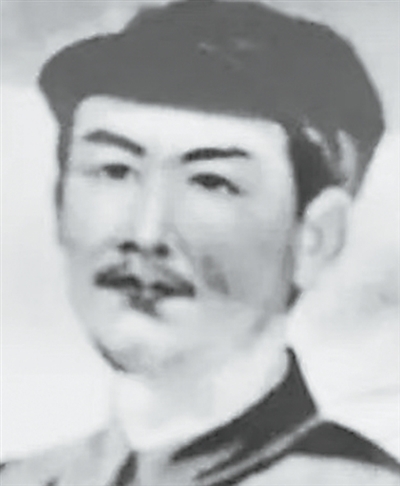
Core Viewpoint - The article highlights the historical significance and contemporary development of Shaowen Village, emphasizing its transformation into a red education base and a tourist destination, while honoring the legacy of Tian Shaowen, a notable figure in the anti-Japanese resistance [2][3][4]. Group 1: Historical Context - Tian Shaowen was born in 1907 in a poor family in Liaoning and became involved in the anti-Japanese movement after the "September 18 Incident" in 1931, participating in over a hundred battles [2]. - He was appointed as a squad leader in 1937 due to his combat experience and executed important missions in the regions of Fuyu, Yian, and Nehe [2]. - After being captured in 1942, he remained steadfast and did not reveal any secrets during his imprisonment, ultimately sacrificing his life in 1943 while proclaiming support for the Communist Party [2]. Group 2: Economic and Cultural Development - Since 2022, Shaowen Village has leveraged the "National Red Beautiful Village Construction" initiative to develop educational bases and cultural squares, promoting the integration of agriculture, culture, and tourism [3]. - The village has introduced a "pond economy" model, combining rice and lotus planting with fish and crab farming, creating a significant source of collective economic income [3]. - A "red points system" incentivizes villagers to participate in environmental and tourism projects, allowing them to earn points that can be exchanged for goods or converted into shares in the rural tourism cooperative [3]. Group 3: Tourism Growth - In 2024, Shaowen Township is expected to receive over 18,000 visitors, showcasing the village's appeal as a historical and cultural tourism destination [4]. - The village hosts events such as bonfire parties, where visitors and locals engage in traditional dances, enhancing the cultural experience for tourists [4].