红色文旅

Search documents
发展红色文旅要有新思路
Xin Lang Cai Jing· 2026-02-26 21:46
Core Insights - The red tourism market in China is thriving during the Spring Festival, driven by its unique historical significance and contemporary spirit, becoming a key engine for revitalizing the cultural tourism sector [1] Group 1: Challenges in Red Tourism - The development of red tourism faces challenges such as resource fragmentation and homogenization of offerings, with many regions lacking systematic planning and effective integration of surrounding resources [1] - Some scenic spots remain at a static exhibition stage, failing to meet modern tourists' demand for a "quick entry and slow exploration" experience due to poor accessibility and inadequate infrastructure in remote areas [1] - The industry heavily relies on homogenized products like "Red Army meals" and souvenirs, lacking innovative expressions with regional characteristics, resulting in a short industrial chain and insufficient stimulation of surrounding industries [1] Group 2: Solutions and Innovations - Establishing cross-regional red tourism alliances can connect dispersed resources through transportation networks, creating themed route networks [2] - Digital management is crucial, with the development of a red resource database and the use of technologies like Beidou positioning to monitor heritage site conditions, significantly reducing maintenance costs [2] - Exploring new models that integrate "red + agriculture" and "red + health" can enhance offerings, as demonstrated by successful initiatives in Hubei and Sichuan provinces [2] Group 3: Technological and Talent Development - The use of new technologies, such as transparent interactive screens and AR/VR, can revitalize red tourism, as seen in the China People's Anti-Japanese War Memorial Museum and Nanchang City [2] - Emotional experiences should be prioritized over superficial technology applications, utilizing AI butler and holographic projections to create "tangible historical sites" [2] - Talent cultivation is essential, with efforts to recruit volunteers and train professional guides to enhance service quality and innovation [2] Group 4: Infrastructure and Community Engagement - Establishing special funds to support infrastructure development and nurturing professional cultural tourism enterprises is necessary, alongside encouraging social capital participation in operations [3] - Promoting mutual empowerment between brands and markets can help create popular red IPs and enhance communication through new media platforms, targeting personalized routes for different customer segments [3] - Engaging local communities by training farmers for live-streaming sales and converting houses into guesthouses allows them to share in the development benefits [3]
红色文旅高质量发展激活区域振兴新动能
Xin Lang Cai Jing· 2026-02-13 16:23
Core Viewpoint - The development of red cultural tourism is essential for preserving revolutionary history and promoting national cultural soft power, requiring a shift from "observational" to "experiential" tourism to overcome existing challenges and become a sustainable driving force for regional revitalization [1][4]. Group 1: Current State and Challenges - Red tourism has seen significant growth with new business models emerging, such as "red + research study," "red + health care," and "red + digital," but faces structural contradictions like superficial development models and reliance on ticket sales [1][2]. - The industry suffers from homogenization in exhibition content, a narrow industry chain, fragmented regional collaboration, and ineffective IP transformation, which hinders the transition from scale expansion to quality and efficiency [1][2]. Group 2: Mechanisms for Economic Impact - Red cultural tourism demonstrates strong economic driving effects through three mechanisms: cultural capital transformation, industry integration, and spatial restructuring [2]. - The transformation of cultural capital involves modern narrative techniques and technology to convert red resources into consumable cultural assets, fostering a virtuous cycle of social and economic benefits [2]. - Industry integration through the "red cultural tourism +" model enhances product value and creates synergistic effects across various sectors, promoting the evolution from single scenic spots to complex industrial clusters [2]. Group 3: Pathways for High-Quality Development - To promote high-quality development in red cultural tourism, a systematic approach is needed, focusing on resource activation, industry integration, digital empowerment, regional collaboration, and shared governance [3]. - Key strategies include utilizing digital technologies for immersive experiences, expanding the "red cultural tourism +" ecosystem, and fostering cross-regional collaboration to create unified tourism corridors [3]. - Emphasis on social benefits over commercialization is crucial to maintain the integrity of red culture while promoting local economic growth [4].
做强红色IP助力经济增长
Jing Ji Ri Bao· 2026-01-27 22:15
Core Viewpoint - The red cultural tourism industry in China is evolving from a niche segment of the tourism market to a key economic growth driver, with various regions leveraging red cultural resources to enhance local economic and social development [1] Group 1: Industry Development - Regions like Liaoning, Hubei, and Hunan are actively exploring red cultural resources and integrating them with the tourism industry to create local red cultural tourism brands [1] - The red cultural tourism industry has shown characteristics such as a complete resource system, strong policy support, large market scale, and deepening industry integration since the "14th Five-Year Plan" [1] - There are currently 300 established classic red tourism scenic spots and over 1,600 revolutionary museums and memorials across the country, with an annual average of over 10,000 themed exhibitions launched [1] Group 2: New Products and Challenges - Supported by favorable policies, new red performing arts projects, tourism routes, digital projects, and cultural products are being launched, showcasing significant growth [2] - For instance, during the 2026 New Year holiday, the tourism area of Shaoshan received 77,000 visitors, a year-on-year increase of 141.23%, generating a total tourism revenue of 25.67 million yuan, up 97.94% [2] - Challenges include the risk of superficial commercialization and homogenization of products, necessitating a balanced approach to spiritual inheritance and industrial development [2] Group 3: Content Innovation and Collaboration - The red cultural tourism sector must focus on content innovation, utilizing historical materials and collaborating with institutions to enhance the narrative of red history [3] - Technologies like VR and holographic projection are being employed to create immersive experiences, transforming the presentation of red resources into interactive experiences [3] - Collaboration between universities, party schools, and red venues is encouraged to establish research bases and training centers, fostering a professional workforce skilled in history and communication [3] Group 4: Brand Development and Economic Impact - Developing distinctive, sustainable red cultural tourism brands is essential, leveraging unique red resources for precise brand positioning [4] - A multi-dimensional approach to creating a red IP matrix involves integrating cultural symbols, emotional recognition, and tourism experiences [4] - Innovative marketing strategies, including online-offline integration and cross-industry collaboration, are being implemented to drive regional economic growth through red IP [4]
专家组团出招 特色产业上新
Xin Lang Cai Jing· 2026-01-02 23:43
Group 1: Cultural and Technological Integration - The training program organized by the Provincial Propaganda Department focuses on integrating cutting-edge technology into local cultural contexts, with representatives from various universities and local propaganda departments participating in discussions [1] - The Fujian Provincial Cultural and Technological Special Task Force was initiated in October last year, targeting four areas: cultural creativity, red culture, fine arts, and the film industry, with pilot projects launched in several counties [1] Group 2: Stone Industry Development - The stone industry in Nan'an has a market value exceeding 100 billion, accounting for about 70% of the national market share, with over 1,700 related enterprises and more than 250,000 workers [2] - The "Tech + Culture" approach is being adopted to elevate the value chain in the stone industry, with a focus on high-quality talent development, platform construction, and high-level results transformation [3] Group 3: Red Culture Industry - The red culture industry in Longting faces challenges due to a lack of integration, with resources being abundant but products lacking depth [4] - The task force is working to create a coherent narrative to connect various cultural and historical sites, transforming them into a more attractive and integrated experience for visitors [5] Group 4: Art and Technology in Museums - The establishment of an AI digital person at the Pucheng Art Museum aims to enhance visitor engagement and transform traditional exhibition methods [6] - The museum has been actively integrating local cultural, educational, and tourism resources to attract visitors since its opening in October 2023 [6] Group 5: Film Industry Development - The establishment of a "crowd actor training base" in Taining marks a new phase in systematic and professional talent cultivation for the local film industry [8] - The task force is facilitating resource connections between Taining and various film production entities, enhancing the local film industry's ecosystem [9]
“红色+”推动文旅产业发展
Jing Ji Ri Bao· 2026-01-01 01:49
Core Insights - The article discusses the integration of red tourism with modern cultural and tourism industries through digital technologies, enhancing the development and utilization of red resources since 2025 [1] Group 1: Development of Red Tourism - Red tourism has been experiencing comprehensive, sustainable, and rapid growth, supported by the extension of the red cultural industry chain and the use of advanced technologies like big data, AI, and VR [1] - Significant improvements have been made in smart scenic areas and immersive experience scenarios, with technologies such as AR/VR and holographic projection enhancing visitor interaction and emotional engagement [1] - Online platforms have been established for many red venues, offering virtual exhibitions and live broadcasts, while big data analytics are used to provide personalized content recommendations [1] Group 2: Challenges in the Industry - There are existing issues in the development of the red tourism industry, including ineffective sharing of digital resources, lack of a standardized system, and unclear relationships between technology and content [2] - Some projects exhibit a tendency to prioritize technology over the cultural and spiritual values of red culture, and outdated marketing strategies do not meet the needs of the digital age [2] Group 3: Future Strategies - The industry should focus on building a sustainable development ecosystem for red tourism, establishing a national digital standard system to break down data silos and promote resource sharing [3] - Emphasis should be placed on the organic integration of technology and content, with collaboration among historians, educators, and technical experts to ensure that technology serves the interpretation of red cultural values [3] - Development strategies should focus on deep exploration of specific cultural resources using AR/VR and narrative-driven digital experiences to create immersive emotional connections for visitors [3] Group 4: Marketing and Engagement - Operators should create an online and offline marketing matrix, utilizing social media, live streaming, and short videos to continuously produce quality red digital content [4] - Engaging activities such as online check-ins, knowledge competitions, and discussions should be organized to promote the highlights of digital experiences as core selling points [4] - Modern information technologies like big data and AI should be leveraged for the intelligent protection of red cultural relics and the smart operation of red scenic areas, enhancing visitor experiences [4]
山西省发展改革委党组成员温晓龙陪同北京市、山西省政府领导在长治市考察调研京长对口合作工作情况
Zhong Guo Fa Zhan Wang· 2025-12-31 02:21
Core Viewpoint - The article highlights the on-site investigation of various development projects in Shanxi Province, focusing on the promotion of general aviation, traditional Chinese medicine, and red tourism industries [1] Group 1: General Aviation Industry - The investigation included the development and demonstration of low-altitude general aviation projects in Qinyuan County [1] Group 2: Traditional Chinese Medicine - The establishment of a resource bank for high-quality traditional Chinese medicine varieties and a tissue culture center was part of the focus [1] Group 3: Red Tourism Industry - The assessment of the historical site of the Anti-Japanese Military and Political University in Tunliu District was aimed at understanding the development of the red tourism industry [1] Group 4: Industry Collaboration - The visit also included discussions on cooperation projects related to traditional Chinese medicine [1]
立足红色资源与产业基础 韦岗街道全域蝶变向未来
Zhen Jiang Ri Bao· 2025-12-24 23:36
Group 1 - The core focus of the Weigang Street is on "Red Weigang and Industrial Weigang," aiming for "Red Leadership, Strong Industry, Rural Renewal, and Heartwarming Livelihood" as its overall goal [1] - The street has enhanced the "Red Weigang" brand by promoting the construction of "National Red Beautiful Villages" and upgrading the original theme park, establishing various cultural and educational facilities [1] - A four-level organizational system has been established to ensure comprehensive coverage of party organizations, integrating community services for vulnerable groups [1] Group 2 - The street is focusing on "green low-carbon and new industrial" development, achieving steady upgrades in industrial economy with significant investments and project completions [2] - A total of 6.88 billion yuan in fixed asset investments has been completed, marking a substantial increase compared to the previous five-year plan, with seven city-level projects attracting over 1.46 billion yuan in total investment [2] - The street has implemented effective social welfare measures, distributing over 6.27 million yuan in various subsidies to benefit more than 1,000 individuals, and has introduced affordable meal services for vulnerable groups [2] Group 3 - The street's leadership emphasizes the continuation of local cultural values and aims to contribute to high-quality development through ongoing efforts in industrial upgrades, rural revitalization, and improving livelihoods [3]
榆林“上位” 陕西“双极带动”区域发展
Zhong Guo Jing Ying Bao· 2025-12-19 19:33
Core Viewpoint - The "dual-pole drive" development pattern in Shaanxi Province, featuring Xi'an and Yulin as the two core growth poles, aims to enhance regional economic coordination and high-quality development across the province [1][2][4]. Group 1: Dual-Pole Development - The "dual-pole drive" strategy emphasizes the roles of Xi'an and Yulin in driving economic growth, aiming to break down administrative barriers and promote resource optimization [1][3]. - Yulin's GDP has shown significant growth, surpassing 500 billion in 2021 and reaching 709.14 billion in 2023, making it the first non-provincial capital city in Central and Western China to exceed 700 billion [2][3]. - The dual-pole strategy is expected to enhance Yulin's economic influence and stability, contributing to the overall growth of Shaanxi Province [2][3]. Group 2: Economic Contributions and Growth - Yulin's GDP contribution to Shaanxi has increased from approximately 15% in 2020 to over 20% in 2024, solidifying its role as a key economic engine for the province [3][9]. - The second industry in Yulin grew by 6.8% year-on-year, outperforming the provincial average of 5.9%, indicating robust industrial performance [3]. - Yulin's fixed asset investment increased by 8.4%, significantly higher than the provincial growth rate of 2.9%, showcasing its investment attractiveness [3]. Group 3: Strategic Upgrades - Yulin's strategic positioning has evolved from being an "important growth pole" to being recognized as a "dual-core" alongside Xi'an, reflecting its increasing importance in addressing regional development imbalances [5][6]. - The construction of major transportation projects, such as the Baohai High-speed Railway, is aimed at enhancing Yulin's infrastructure and regional connectivity [5][6]. - Yulin's modern coal chemical industry is expected to drive economic development in surrounding areas, promoting a coordinated economic belt in Northern Shaanxi [5][6]. Group 4: Multi-Point Support Strategy - The "multi-point support" strategy includes cities like Baoji, Weinan, Yan'an, Hanzhong, Ankang, and Shangluo, which are expected to leverage their unique advantages for differentiated development [7][8]. - Baoji will focus on advanced equipment manufacturing, while Weinan aims to integrate modern agriculture with cultural tourism [7][8]. - The southern cities will develop ecological and health-related industries, contributing to the overall ecological economy of Shaanxi [8][9].
(乡村行·看振兴)山西繁峙:“红韵蔬乡”定制农业助力乡村产业升级
Zhong Guo Xin Wen Wang· 2025-12-10 10:49
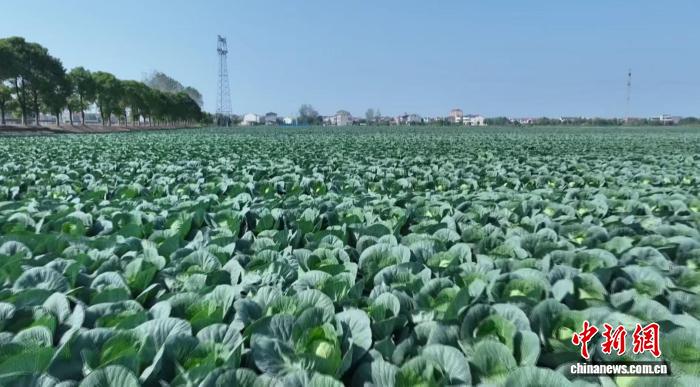
Core Viewpoint - The "Hongyun Vegetable Town" customized agriculture project in Shanxi Province is a significant initiative aimed at upgrading rural industries and promoting rural revitalization through a total investment of over 1.2 billion yuan [1][3]. Group 1: Project Overview - The project includes the establishment of smart vegetable greenhouses and the introduction of intelligent dehydrated vegetable production lines, creating a full-process system from market orders to base planting, standard production, and value-added processing [1][3]. - The project is supported by the Central Special Lottery Public Welfare Fund, which addresses challenges such as market fluctuations and unstable income in vegetable planting [3][4]. Group 2: Agricultural Development - The project aims to enhance production capacity and quality control to meet high-end market demands, with approximately 18,000 square meters of smart greenhouses being constructed [3][4]. - The introduction of intelligent dehydrated production lines is expected to increase fresh vegetable supply by about 50,000 tons and boost output value by over 30% [4]. Group 3: Economic Impact - The project is designed to benefit local farmers through a multi-faceted interest linkage mechanism, allowing them to earn income from land leasing, construction operations, and order-based planting [8][9]. - It is projected that the collective economic income of the project area will increase by approximately 1.28 million yuan annually, with farmers expected to see an average annual income increase of about 12,000 yuan [9]. Group 4: Integration of Sectors - The project integrates primary, secondary, and tertiary industries, promoting a circular economy model that includes planting, processing, livestock farming, and returning organic fertilizers to the land [5][6]. - The initiative also enhances the synergy between red tourism and modern agriculture, improving visitor experiences and extending their stay, which in turn boosts local agricultural product consumption [6][8].

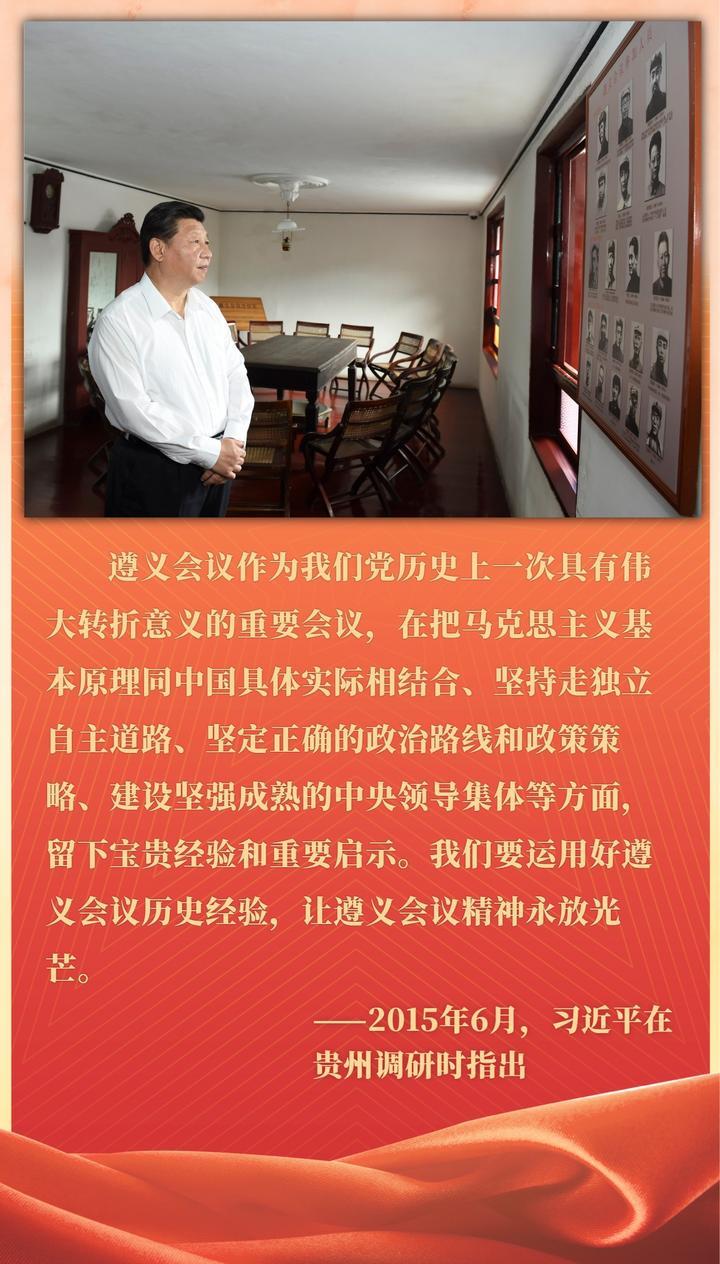
镜观·回响丨让红色文化焕发时代光芒
Xin Hua She· 2025-11-26 07:21
Core Viewpoint - The article emphasizes the significance of red culture in Guizhou, highlighting its historical importance during the Long March and the ongoing efforts to preserve and promote this heritage through various initiatives and tourism development. Group 1: Historical Significance - The Red Army spent the longest time and had the widest range of activities in Guizhou during the Long March, with key events such as the Zunyi Conference and the crossing of the Wujiang River marking its historical importance [1][19] - The Zunyi Conference held from January 15 to 17, 1935, is described as a critical turning point that saved the Party and the Red Army during a dire moment in history [7] - The Four Crossings of the Chishui River allowed the Central Red Army to escape encirclement by enemy forces, showcasing strategic military maneuvers [9] Group 2: Cultural Preservation and Education - The article discusses the restoration and preservation of red cultural relics at the Zunyi Conference Memorial, where staff work to present historical artifacts to the public [17] - The establishment of the first Red Army primary school in the region aims to integrate red culture into education, promoting the legacy of the Long March through various activities [18] - Community initiatives in rural areas are fostering red tourism, allowing locals to engage with their history while generating income through hospitality services [22] Group 3: Tourism Development - Guizhou is exploring diverse ways to activate red culture and boost red tourism, with educational programs in schools and community events aimed at instilling a sense of historical pride [19][24] - The completion of the world's highest bridge, the Huajiang Grand Canyon Bridge, symbolizes the region's development and its connection to historical events during the Long March [30] - The article highlights the importance of infrastructure upgrades and service optimization in promoting tourism, particularly in scenic areas like Luodian County [28] Group 4: Economic Growth and Digital Development - Guizhou's digital economy has been growing rapidly, with a notable increase in cloud-based enterprises and software services, indicating a shift towards modernization while preserving cultural heritage [32]