
网格化治理

Search documents
走,跟网格员一起,为春节安全加码
Xin Lang Cai Jing· 2026-02-14 12:22
Core Viewpoint - The article highlights a series of community-based educational activities organized in Taicang City, focusing on safety awareness and scientific literacy among children and residents during the winter holiday season [2][4]. Group 1: Event Overview - A unique theme-based science popularization event took place across multiple communities in Taicang City, featuring activities like "Safety Challenge Carnival" and "Neighborhood Safety Tea Talk" [2][4]. - The event was initiated with enthusiastic New Year greetings from grid workers, who divided into four teams to address the specific needs of different community groups [4]. Group 2: Activities and Focus Areas - The first team conducted anti-fraud awareness campaigns in the South City and South Suburb communities, aiming to enhance youth's vigilance against scams during the holiday [4]. - The second team visited the Xueyuan and Xinfu communities to educate parents on fire safety and drowning prevention [4]. - The third team promoted responsible pet ownership in the Changfeng and Wenyuan communities [5]. - The fourth team focused on educating children about the city's fireworks ban and safe storage and usage practices [5]. Group 3: Educational Approach - The activities adopted a "targeted and interactive" approach, with the "Safety Challenge Carnival" designed for youth, featuring engaging simulations on drowning prevention and fraud awareness [7]. - In communities with a predominantly adult population, the "Neighborhood Safety Tea Talk" utilized real-life case studies to discuss common fraud tactics and household fire hazards, incorporating interactive Q&A and experience-sharing sessions [7]. Group 4: Outcomes and Future Plans - The events not only enhanced children's scientific literacy and self-protection skills but also strengthened the relationship between grid workers and residents, fostering a safe, civilized, and harmonious holiday atmosphere [9]. - Moving forward, grid workers in Taicang City will continue to play a "frontline" role in promoting regular and precise science education initiatives, contributing to the establishment of a safe and harmonious community [9].

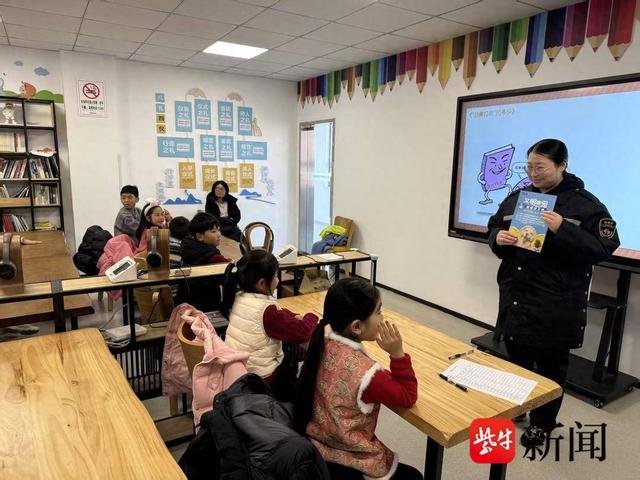
任城区:“精网微格”助推基层治理提能增效
Qi Lu Wan Bao· 2026-02-03 05:54
Core Viewpoint - The article highlights the innovative grid governance model in Rencheng District, Jining City, emphasizing the integration of refined concepts into grassroots governance to enhance effectiveness and community engagement [1]. Group 1: Systematic Construction - Rencheng District has established a four-level governance framework ("District-Street-Community-Grid") to clarify responsibilities and ensure smooth communication and rapid response [2]. - The grid management framework is designed to be comprehensive, ensuring accountability and effective service delivery through clear delineation of duties and adequate staffing [2]. Group 2: Precise Services - The governance model prioritizes resident needs, shifting from passive responses to proactive service delivery through regular visits and information gathering by grid workers [2]. - An online and offline mechanism has been created for collecting, processing, and responding to community requests, ensuring timely feedback and resolution of issues [2]. Group 3: Normalized Collaboration - The grid system acts as a platform to integrate resources and encourage diverse stakeholder participation in governance, enhancing community engagement [2]. - Strengthening the role of party organizations within the grid and fostering collaboration among various community entities has led to a more cooperative governance environment [2]. Group 4: Overall Impact - The systematic, precise, and normalized grid governance practices have significantly improved the responsiveness, service quality, and governance effectiveness in Rencheng District, enhancing residents' sense of well-being and security [2].
我为群众多办实事丨南通崇川幸福街道以网格化治理筑牢冬季安全防线
Xin Lang Cai Jing· 2026-01-22 15:07
Group 1 - The article highlights the impact of severe snowfall and temperature drops on production, agriculture, and residents' safety, emphasizing the need for proactive measures to ensure safety and continuity [1][2] - The community has implemented a grid-based governance approach to enhance safety measures, focusing on early deployment and action to protect residents and businesses from winter hazards [1][2][6] Group 2 - Specific actions taken include pre-snowfall safety inspections in enterprises, where grid members communicated safety alerts and conducted facility checks to mitigate risks [2][4] - Post-snowfall, the community organized snow removal teams to clear critical areas such as main roads and emergency exits, ensuring accessibility and safety for employees [2][4] - In agriculture, grid members conducted thorough inspections of greenhouses to ensure structural integrity and provided guidance on snow removal techniques to prevent collapses [4][6] Group 3 - The community has focused on enhancing public awareness regarding safety measures through various communication channels, including social media and public announcements [6] - Special attention has been given to vulnerable groups, such as the elderly and disabled, with home visits to ensure their safety and assist with essential needs during the harsh weather [6][4] - Future plans include further development of the grid governance system to improve emergency response and safety measures across all sectors, aiming for comprehensive coverage and service [6][2]
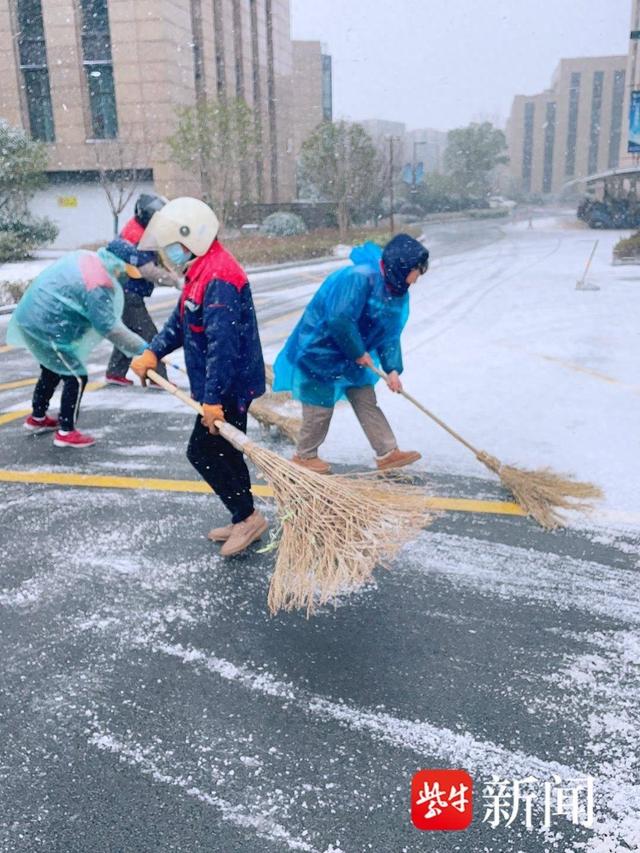
江西安远:网格“绣花针”穿起治理千条线 破解基层治理难题暖民心
Xin Lang Cai Jing· 2026-01-06 02:56
Core Viewpoint - The article discusses how the implementation of grid governance in Anyuan County, Jiangxi Province, effectively addresses the challenges of grassroots governance, transforming community management from being overwhelmed by responsibilities to a more responsive and collaborative approach [1][2][3] Group 1: Challenges in Grassroots Governance - Grassroots governance faces issues of insufficient manpower and limited resources, which hinder the ability to serve the community effectively [1] - In the Zhongshan Street community, six community workers are responsible for over 8,000 residents, highlighting the strain on human resources [1] - Long-standing issues such as leaking roofs and damaged walls in the Baishuxia community have created urgent demands for housing improvements, which have been delayed due to inadequate governance capacity [1] Group 2: Implementation of Grid Governance - Anyuan County has implemented community governance reforms by dividing urban communities into 60 grids, ensuring each grid is staffed with adequate personnel and resources [2] - The integration of county-level units into the grid system has transformed grids into service hubs, effectively addressing the shortcomings in grassroots governance [2] - The renovation project for old houses in Baishuxia community has commenced, with completion expected next month, resolving long-standing housing issues for residents [2] Group 3: Community Engagement and Service Delivery - The grid governance system has established a 24-hour service hotline and "grid face-to-face" meetings, allowing for proactive collection of public opinions and more efficient service delivery [2] - In the largest community, Sunlight Community, a retired party member and a grid worker collaborated to resolve water supply issues, demonstrating effective community engagement [2] - Residents now view grid workers and community officials as their first point of contact for problem-solving, leading to improved living conditions and increased satisfaction among the community [3] Group 4: Outcomes of Grid Governance - The grid governance approach has led to a significant improvement in the living environment and a heightened sense of happiness and fulfillment among residents [3] - The strategy ensures that minor issues are resolved within the grid while major issues are handled at the community level, effectively extending governance to the grassroots [3] - The initiative has created a responsive governance model that prioritizes the needs of the people, showcasing a successful example of community-driven governance [3]
【郑州之治】大市场小网格支起连心桥
Zheng Zhou Ri Bao· 2025-12-18 01:08
Group 1 - The core idea of the article revolves around the innovative social governance model implemented in the Huazhong City community of Xinzheng, which utilizes micro-grid management to enhance community services and governance efficiency [1][3]. - Xinzheng has divided its area into 2,394 micro-grids and integrated 1,343 matters into these grids, allowing for comprehensive governance and service delivery by party organizations [1]. - The establishment of a dedicated grid service station in Huazhong City, led by police officer Ma Yuping, aims to mobilize various community resources, including police, market supervision, and volunteer organizations, to create a multi-faceted governance system [1][3]. Group 2 - Ma Yuping has successfully resolved over 3,600 community issues and has been recognized with multiple awards for her contributions to community policing and governance [3]. - The community governance model emphasizes the importance of grassroots engagement, with party members actively participating in local governance to improve public satisfaction and trust [3]. - The initiative aims to enhance the overall happiness and satisfaction of residents, contributing to the development of a modern urban environment in Xinzheng [3].
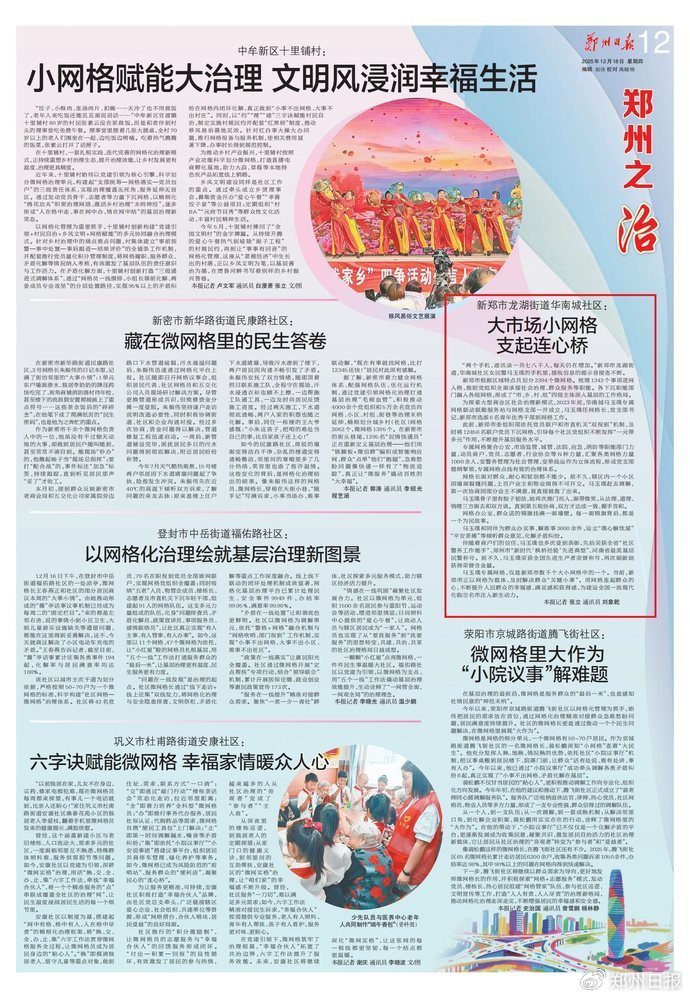
一声“哨”响聚合力 民呼我应暖人心
Zheng Zhou Ri Bao· 2025-12-05 00:41
Core Viewpoint - Zhengzhou is implementing a "whistle-blowing" mechanism to enhance urban governance by integrating grassroots responses with departmental accountability, aiming to address public concerns more efficiently and effectively [1][2][6]. Group 1: Urban Governance Mechanism - The city is adopting a "street and township whistle-blowing, department reporting" approach to streamline governance and improve responsiveness to citizen needs [1][2]. - The integration of the 12345 hotline with the urban governance platform allows for direct processing of citizen complaints, reducing bureaucratic delays and improving efficiency [2][6]. - The mechanism empowers grassroots workers to initiate responses when issues require multi-department collaboration, ensuring timely action [2][6]. Group 2: Case Studies of Effective Response - A resident reported an electrical issue, leading to a rapid response from multiple departments, which identified and rectified a widespread safety hazard in a short time [3][4]. - In another instance, a community faced heating issues due to aging infrastructure, which was resolved through collaborative efforts among residents, contractors, and service providers, achieving a high payment compliance rate for necessary repairs [4][5]. - The city has successfully addressed over 600 complex governance issues this year, demonstrating the effectiveness of the "whistle-blowing" mechanism in real-time problem-solving [9]. Group 3: Technology and Monitoring - The use of a digital governance platform allows for real-time monitoring and management of urban issues, ensuring that all tasks are completed effectively and efficiently [8]. - The integration of smart technology in urban management facilitates a closed-loop system for issue identification, task assignment, collaborative resolution, and outcome verification [8]. Group 4: Community Engagement and Feedback - Residents have expressed satisfaction with the new governance approach, noting the speed and effectiveness of responses to their concerns [3][4][6]. - The "whistle-blowing" mechanism is seen as a vital tool for fostering trust and accountability between the government and the community [9].
合肥经开区莲花中心:创新启动网格化治理 赋能城市精细化管理新篇章
Zhong Guo Fa Zhan Wang· 2025-09-25 15:25
Core Insights - The meeting held on September 24 at the Lianhua Center in Hefei Economic Development Zone focused on implementing grid-based governance to enhance urban management and improve the quality and vitality of urban functions [1][2] - The emphasis was placed on the necessity and urgency of refined urban management as a means to elevate grassroots governance capabilities and effectiveness [1] Group 1 - The Lianhua Center has adopted an innovative "5+1" working method to enhance community environments through collaboration among property owners, property management, and community efforts [2] - The governance strategy involves a segmented approach, focusing on both visible issues like city appearance and traffic order, as well as hidden projects such as public facilities and environmental improvements [2] - The goal is to transition from temporary fixes to a sustained, refined management approach, creating a chain effect that connects various governance efforts across the area [2] Group 2 - The next steps include establishing a comprehensive grid system that ensures thorough coverage and accountability across all levels of management [2] - The "5+1" working method will be expanded in scope and depth, involving collaboration among various stakeholders to enhance responsibility and responsiveness within the grid [2] - A management loop will be implemented to ensure issues are identified, reported, addressed, and evaluated promptly, thereby improving public satisfaction and urban governance efficiency [2]