罕见病诊疗

Search documents
从四年到四周 中国罕见病“确诊难”正加速破局
Di Yi Cai Jing· 2026-02-28 04:33
Core Insights - The report highlights that there are over 4,000 known rare diseases in China, affecting approximately 20 million patients, indicating that rare diseases are a significant public health issue rather than a marginal medical concern [1] - In 2025, China approved around 48 rare disease medications, with more than 17 coming from domestic companies, reflecting a shift towards local innovation in rare disease treatment [1] Group 1: Diagnosis and Treatment Improvements - The average diagnosis time for rare disease patients has been reduced from four years to less than four weeks, with costs cut by 90% [3] - The establishment of over 40 rare disease diagnostic centers across various hospitals has facilitated the implementation of multidisciplinary treatment (MDT) services [3][4] - The National Health Commission has emphasized rare diseases in its annual medical quality improvement goals, promoting cross-institutional collaboration to address misdiagnosis and delayed diagnosis [2][3] Group 2: AI Innovations in Rare Disease Diagnosis - The DeepRare AI model, developed by Shanghai Jiao Tong University, has achieved a diagnostic accuracy of 57.18% based solely on clinical symptoms, significantly improving upon previous models [4][5] - Other AI models, such as "Nezha·Lingtong" and "Xiehe·Taichu," have been introduced to provide rapid diagnostic support and tailored solutions for rare diseases, indicating a comprehensive approach to AI in this field [6] - The proliferation of AI tools in rare disease diagnosis aims to enhance screening capabilities, particularly in grassroots medical settings where access to genetic testing is limited [5][7] Group 3: Policy and Industry Implications - The integration of AI and big data into rare disease diagnosis is seen as a complementary approach to traditional clinical practices, aiming to improve early diagnosis rates and accessibility of information [7] - As the policy framework for rare diseases in China continues to develop, the collaboration between technology companies and public health objectives will be crucial for enhancing the overall healthcare system [7]
从“罕见”到“被看见” 我国罕见病平均确诊时间从4年降至4周左右
Xin Lang Cai Jing· 2026-02-28 01:38
Core Insights - The article highlights significant advancements in the diagnosis and treatment of rare diseases in China, emphasizing the establishment of a collaborative network that enhances accessibility and reduces costs for patients [1][4][6]. Group 1: Diagnosis and Treatment Improvements - As of now, China's rare disease diagnosis and treatment collaboration network covers 419 hospitals, expanding the list of rare diseases and medications covered by insurance [1][4]. - The average diagnosis time for rare disease patients has decreased from over 4 years to approximately 4 weeks, with annual treatment costs reduced by about 90% [4]. - The establishment of a multidisciplinary "one-stop" diagnosis model is breaking the previous barriers faced by rare disease patients who had to navigate multiple departments [4]. Group 2: Clinical Research and AI Integration - Clinical guidelines for 86 rare diseases have been developed, providing comprehensive diagnostic and treatment protocols [7]. - The application of artificial intelligence in clinical settings has led to significant breakthroughs, with over 9,000 effective consultations conducted using the AI model "Xiehe·Taichu" in the past year [7]. - Genetic research related to rare diseases is accelerating, with a focus on understanding the mechanisms behind these conditions, as approximately 80% of rare diseases are linked to genetic factors [7]. Group 3: Policy and Regulatory Support - The Chinese government has included rare disease prevention and treatment in the "Healthy China 2030" plan, indicating a commitment to addressing these health challenges [6]. - Two batches of rare disease directories have been published, listing a total of 207 rare diseases, and a "green channel" for drug approval has been established to expedite the availability of new treatments [8]. - The dynamic adjustment mechanism for insurance coverage is favoring rare disease medications, with over 100 rare disease drugs now included in the insurance guarantee scope [8].


照亮生命孤岛
Xin Lang Cai Jing· 2026-02-25 21:01
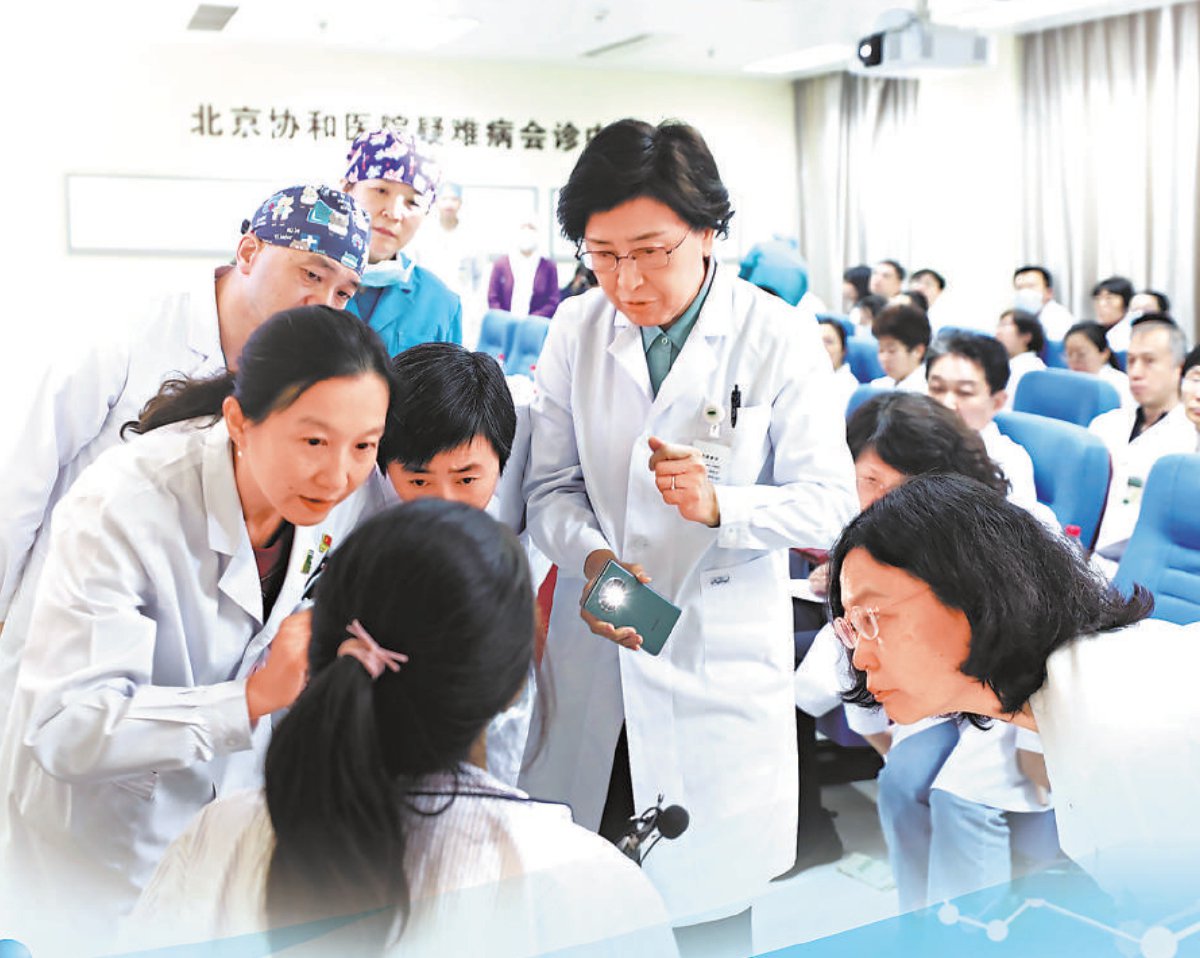
Core Viewpoint - The article highlights the efforts of Peking Union Medical College Hospital in addressing rare diseases through a multi-disciplinary approach, establishing a national network for diagnosis and treatment, and leveraging advanced technologies for better patient outcomes [2][8][15]. Group 1: Multi-disciplinary Collaboration - Peking Union Medical College Hospital has established a multi-disciplinary consultation model to tackle the complexities of rare diseases, bringing together experts from various fields to improve diagnosis and treatment [4][5]. - The hospital has created a national rare disease directory, listing 207 rare diseases, which serves as a foundation for standardized treatment guidelines and drug development [4][6]. - The hospital's weekly multi-disciplinary consultations have led to significant breakthroughs in diagnosing previously undiagnosed cases, showcasing the effectiveness of collaborative efforts [5][6]. Group 2: National Network and Training - A national rare disease diagnosis and treatment collaboration network has been established, covering 31 provinces and 624 medical institutions, facilitating better resource allocation and support for local hospitals [7][8]. - The average diagnosis time for rare diseases has been reduced from over 4 years to approximately 4 weeks, with annual treatment costs decreasing by about 90% [7][8]. - The hospital has trained over 151,000 medical personnel through a nationwide capacity-building project, enhancing the overall diagnostic capabilities for rare diseases [17]. Group 3: Technological Advancements - The "Xiehe·Taichu" AI model for rare diseases was launched, enabling doctors to input symptoms and receive potential diagnoses and recommended tests, significantly improving diagnostic efficiency [9][10]. - The hospital has made significant genetic discoveries, identifying 35 new pathogenic genes associated with rare diseases, which could lead to targeted therapies [9][10]. Group 4: Drug Accessibility and Development - Peking Union Medical College Hospital has implemented a "green channel" for the expedited approval and use of rare disease medications, facilitating quicker access to life-saving drugs for patients [10][11]. - The hospital has been instrumental in the approval of 134 rare disease treatments in China, with over 80 of these drugs included in the national health insurance directory, resulting in an average price reduction of over 50% [12][13]. - The hospital is actively involved in the development of new therapies for previously untreatable rare diseases, including gene editing trials [13][14]. Group 5: Future Sustainability and Knowledge Transfer - The hospital emphasizes the importance of training future medical professionals in rare disease diagnosis and treatment, having developed the first rare disease clinical guidelines and graduate courses in China [16][17]. - A national rare disease registry has been established, documenting over 100,000 patient cases, which enhances the scientific value and research capabilities in the field [17]. - The hospital's innovative practices have been recognized with awards, underscoring its contributions to the global understanding and management of rare diseases [17].
207种罕见病,哪些医院能看?北京公布74家医院名单
Xin Jing Bao· 2025-10-22 05:37
Core Points - Beijing has 74 medical institutions capable of diagnosing and treating rare diseases, an increase from 29 in the previous year [1] - The list of medical institutions is updated regularly based on the National Health Commission's published directories of rare diseases [1] - Specific institutions are publicly listed for certain rare diseases, such as 12 institutions for Albinism and several for Congenital Scoliosis [1] Summary by Category Medical Institutions - The number of medical institutions with rare disease treatment capabilities has increased significantly from 29 to 74 [1] - The updated directory includes a comprehensive list of institutions that can treat the 207 rare diseases identified by the National Health Commission [1] Rare Diseases - The directory covers 207 rare diseases, with specific institutions named for diseases like Albinism and Congenital Scoliosis [1] - Institutions such as Beijing Ditan Hospital and Peking Union Medical College Hospital are among those listed for specific rare diseases [1] Patient Access - Patients can download the updated list of medical institutions and search for their specific disease to find appropriate care [2] - Online appointment booking options are available for patients to facilitate access to these medical services [2]
中新健康丨我国已有约百种罕见病用药纳入医保目录
Zhong Guo Xin Wen Wang· 2025-09-25 11:02
Core Insights - Approximately 100 rare disease medications have been included in the medical insurance catalog, covering 42 types of rare diseases [1] - In 2024, the medical insurance fund will pay 8.6 billion yuan for rare disease medications, accounting for 7.7% of the total payment for medications during the agreement period [1] - The establishment of a multi-layered guarantee system for rare diseases is underway, combining basic medical insurance, major illness insurance, and medical assistance [1][2] Group 1 - The National Healthcare Security Administration is actively promoting the inclusion of medications in the insurance catalog and the construction of a "dual-channel" supply mechanism to improve drug accessibility [1][2] - The number of hospitals in the national rare disease diagnosis and treatment collaboration network has increased from 324 in 2019 to 419 currently [1][2] - The national rare disease direct reporting system has registered a total of 1.64 million cases, with 1.5 million confirmed cases [2] Group 2 - Future selection criteria for rare disease medications should consider severity, intervention methods, and social impact, rather than just incidence rates [3] - The entry of rare disease medications into the catalog must prioritize clinical and patient benefits, focusing on drugs with clear biomarkers and measurable efficacy [3] - There is a need to challenge the perception that rare disease drugs must be high-priced, as some production technologies are mature and costs are controllable [3] Group 3 - Emphasis on refined management of rare disease medications is crucial due to their high cost and long-term prescription nature [3] - Collaboration among over 400 institutions in the national rare disease diagnosis and treatment collaboration network is essential for effective management practices [3][4] - The 2025 China Rare Disease Conference was co-hosted by multiple organizations, highlighting the collective effort in addressing rare diseases [4]
同济医院罗小平:综合医院在罕见病诊治方面有独特价值,优化诊疗还需从平台、组织、机制三方面着力
Mei Ri Jing Ji Xin Wen· 2025-09-22 13:12
Core Insights - The forum on rare diseases highlighted the significant challenges in diagnosis and treatment, with approximately 7,000 to 10,000 known rare diseases, 80% of which are genetic, and only about 5% having effective specific treatments [2] - There are over 300 million rare disease patients globally, with an estimated 20 million in China, facing issues such as insufficient research on pathogenic mechanisms, difficulties in early screening, low social acceptance, and inadequate long-term management and payment guarantees [2] Group 1 - The director of the Department of Pediatrics at Huazhong University of Science and Technology emphasized the uneven distribution of diagnostic capabilities across regions in China, leading to a 3 to 5 year gap between consultation and diagnosis for pediatric rare diseases [2] - The multidisciplinary team (MDT) platform in comprehensive hospitals offers integrated care, leveraging advanced adult treatment techniques for pediatric patients and ensuring smooth transitions for patients as they age [3] Group 2 - Tongji Hospital has established a Rare Disease Diagnosis and Research Center, focusing on standardized diagnosis and treatment for 199 rare diseases listed in China's rare disease catalog [3] - The hospital's MDT outpatient service allows patients to receive multidisciplinary evaluations and treatment plans with a single registration, enhancing the efficiency of care [3] Group 3 - Collaboration among research institutions, medical facilities, enterprises, and social organizations is essential for improving rare disease treatment [4] - Strengthening international cooperation and establishing long-term partnerships for joint research and mutual recognition of clinical pathways is crucial [4] - There is a need for a comprehensive support system involving hospitals, communities, families, schools, and employers to enhance social acceptance and improve the quality of life for patients [4]

新华鲜报|约100种罕见病用药进医保!生命与希望在集结
Xin Hua She· 2025-09-21 07:50
Core Insights - The 2025 China Rare Disease Conference highlighted significant advancements in the diagnosis and treatment of rare diseases, showcasing a growing network of hospitals and an expanding list of covered diseases and medications [1][3][5] Group 1: Healthcare System Developments - The national medical insurance drug list now includes medications for 42 types of rare diseases, with 8.6 billion yuan allocated for rare disease drug payments in 2024, accounting for 7.7% of total drug payments during the agreement period [3][5] - A multi-layered insurance system is being developed, combining basic medical insurance, critical illness insurance, and medical assistance, while exploring commercial health insurance and social charity as additional support [3][5] Group 2: Research and Innovation - The conference emphasized the importance of research in transforming previously untreatable conditions into manageable diseases, with notable examples of successful drug development now included in the insurance system [5][6] - The establishment of the China Rare Disease Comprehensive Cloud Service Platform aims to enhance diagnostic applications and create a comprehensive map for rare disease treatment and support [5][6] Group 3: Global Contributions and Collaboration - China is positioning itself as a key player in global rare disease governance, having established a reporting system covering 1.15 billion people and registering 1.64 million cases [8] - The government is actively promoting policies to expedite the review and approval of rare disease medications and medical devices, while also setting up specialized funding and laboratories for rare diseases [8][9] Group 4: Challenges and Future Directions - Despite progress, challenges remain, including limited awareness of rare diseases in grassroots areas, high costs of innovative drug development, and the need for faster policy implementation to facilitate market access [9][10] - The commitment to prioritizing patient needs and enhancing the visibility of rare diseases is essential for improving the quality of life for affected individuals [9][10]

国家卫健委公布《86个罕见病病种诊疗指南(2025年版)》
news flash· 2025-07-10 13:51
Core Viewpoint - The National Health Commission has organized the development of diagnostic and treatment guidelines for 86 diseases, including achondroplasia, as part of the second batch of rare disease catalog [1] Group 1: Disease Overview - Achondroplasia (ACH) is a hereditary condition that results in disproportionate short stature [1] - Typical clinical manifestations include proximal shortening of long bones, macrocephaly, trident hands, and distinctive facial features such as frontal prominence, midface hypoplasia, and flattened nasal bridge [1] - Clinical diagnosis primarily relies on the presentation of the disease and imaging characteristics [1]
软骨发育不全等86个罕见病病种诊疗指南发布
Xin Hua She· 2025-07-10 07:55
Core Viewpoint - The National Health Commission of China has released the "Guidelines for the Diagnosis and Treatment of 86 Rare Diseases (2025 Edition)" to enhance the standardization of rare disease treatment and ensure medical quality and safety [1][2]. Group 1: Rare Disease Guidelines - The guidelines provide clear instructions on clinical manifestations, diagnostic methods, and medical interventions for the 86 rare diseases included in the second batch of the rare disease directory [1][2]. - The guidelines reflect the era's demand for comprehensive health care throughout an individual's life cycle, emphasizing the importance of early screening and treatment for rare diseases [1]. Group 2: Specific Rare Diseases - Achondroplasia (ACH) is highlighted as a genetic disorder leading to disproportionate short stature, with typical clinical features including shortened proximal long bones, macrocephaly, and distinctive facial characteristics [2]. - Currently, there is only one approved treatment for ACH abroad, while no specific drug has been approved in China, and treatment mainly focuses on symptom management and complications [2]. Group 3: Government Initiatives and Statistics - The Chinese government has shown increasing attention to rare diseases, with the first batch of rare disease directory published in 2018, which included 121 diseases and corresponding treatment guidelines [2]. - Approximately 20 million people in China are affected by rare diseases, with over 200,000 new patients each year [2]. - As of January 1, 2025, the new national medical insurance drug list will include 13 new medications for rare diseases, significantly reducing the financial burden on patients [2].
只要国产,中国医学科学院北京协和医院4800万元采购基因测序仪
仪器信息网· 2025-05-04 15:17
Core Viewpoint - Recently, Tongji University announced multiple government procurement intentions, with a total budget of 127 million yuan for 16 items of instrument and equipment procurement [2]. Group 1: Project Overview - The project titled "Central Special Lottery Public Welfare Fund Support for Rare Disease Diagnosis and Treatment Capability Improvement Project (Phase VI)" has a budget of 480 million yuan [4][6]. - The procurement includes various genetic testing services, with specific budget allocations for different testing types [6]. Group 2: Procurement Details - The procurement documents can be obtained from April 30, 2025, to May 12, 2025, with a document price of 400 yuan [9][10]. - The deadline for submitting bids is May 23, 2025, at 09:00 AM (Beijing time) [10]. Group 3: Eligibility Requirements - Bidders must possess a valid medical institution practice license and cover the diagnostic subjects of "medical testing" and "clinical cell molecular genetics" [8]. - Suppliers listed as untrustworthy on the "Credit China" website are prohibited from participating in this project [13].