美印关税问题

Search documents
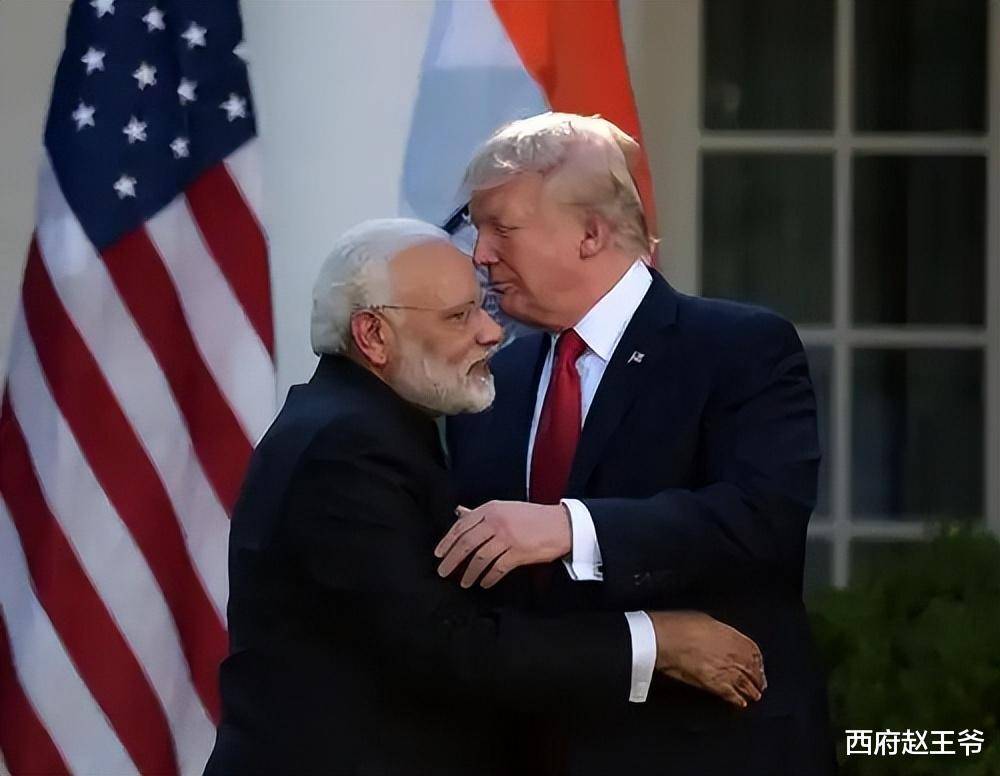
美商务部长:美印没达成贸易协议只因莫迪“没给特朗普打电话”
Xin Lang Cai Jing· 2026-01-09 11:59
Core Viewpoint - The lack of a trade agreement between the United States and India is attributed to Indian Prime Minister Modi not contacting President Trump to finalize negotiations [1][2][3] Group 1: Trade Negotiations - U.S. Commerce Secretary Howard Lutnick stated that everything was ready for a trade agreement, but Modi's failure to make a call to Trump hindered progress [1][2] - Trump warned India that failure to limit Russian oil purchases could lead to increased tariffs on Indian goods, with punitive tariffs set to raise the overall tariff rate on Indian products to 50% by August 2025 [1][2] - The U.S. initially believed a trade agreement with India could be reached before those with Indonesia, the Philippines, and Vietnam, but this expectation has not materialized [3] Group 2: Indian Government's Position - The Indian government has emphasized that its energy import policies are aimed at protecting consumer interests [2][3] - Indian officials, including the Commerce and Industry Minister, have stated that India will not yield to U.S. pressure in trade negotiations and will not rush into agreements with strict deadlines or coercive terms [2][3] - Lutnick mentioned that the conditions for a previous agreement had "expired," but he remains optimistic that India will eventually resolve the issues [3]
特朗普:印度提议对美关税降至零,但“为时已晚”
Sou Hu Cai Jing· 2025-09-02 06:25
Group 1 - President Trump claimed that India proposed to reduce tariffs on U.S. goods to zero, indicating a shift in trade dynamics [1] - The U.S. government imposed a 25% tariff on goods imported from India, effective August 7, following a previous executive order targeting Indian products due to oil imports from Russia [1] - Cumulative tariffs on Indian goods exported to the U.S. have reached as high as 50% due to these recent measures [1] Group 2 - The relationship between the U.S. and India has been described as "one-sided," benefiting India, according to President Trump [1] - The Indian Embassy in Washington has not responded to Trump's statements regarding the tariff discussions [1]

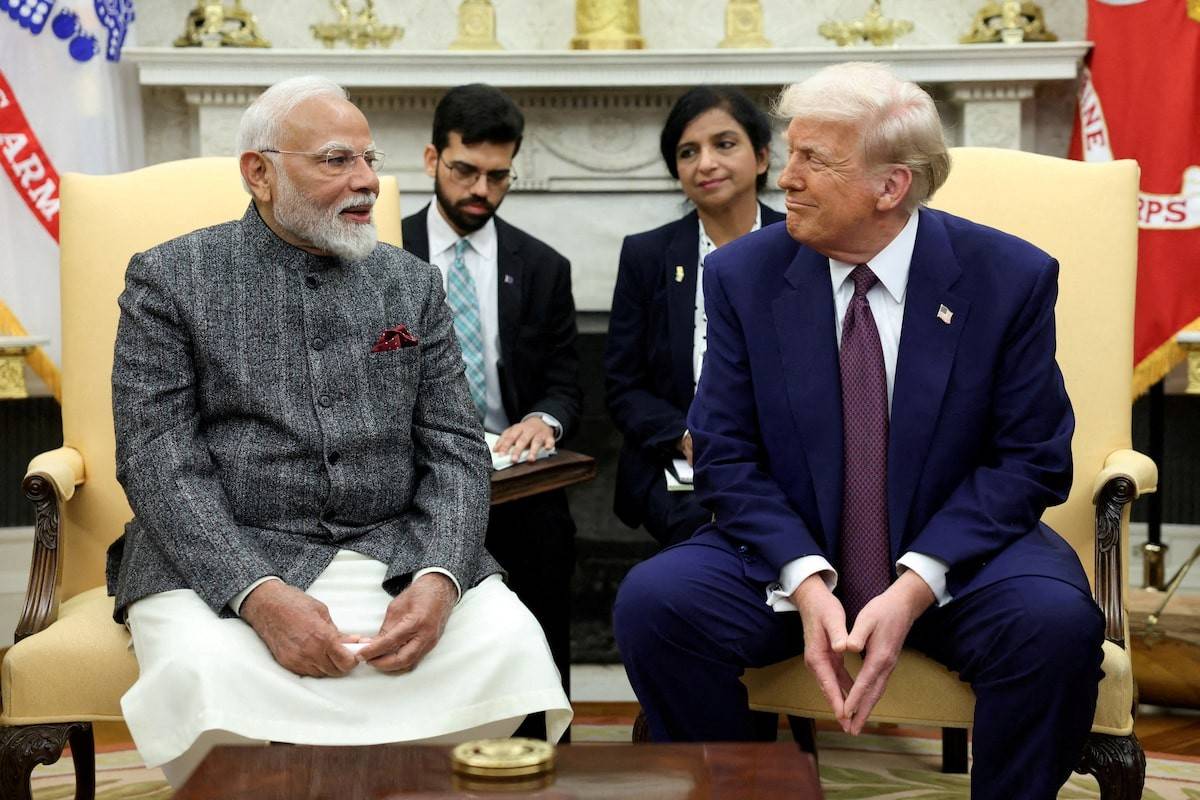
中美关税延期,印度想不通,都是14亿人口大国,为何要区别对待?
Sou Hu Cai Jing· 2025-08-25 09:24
Group 1 - The core point of the article highlights the contrasting treatment of India and China by the United States regarding tariffs, with India facing harsher penalties despite its deepening relationship with the U.S. [1][3] - The U.S. has imposed a total of 50% tariffs on India, including a 25% increase announced on August 1 and another 25% on August 6, while extending the suspension of 24% tariffs on China for an additional 90 days [1][5] - India's government and citizens express confusion and anger over the U.S. stance, questioning why India is being treated more harshly than China despite their growing military and economic ties [3][5] Group 2 - The article discusses the perceived unfairness in the U.S. tariff policies, noting that both India and China import energy from Russia, yet only India is being penalized, indicating a double standard in U.S. policy [8] - India's government has previously stated it would negotiate from a position of strength, which may have led the U.S. to view India as less competitive compared to China, resulting in different tariff treatments [9] - The military and economic disparities between India and China are emphasized, with India's military capabilities being questioned following recent conflicts, and China's GDP being nearly five times larger than India's, highlighting India's need to strengthen its position [9][10]