
美国优先2.0

Search documents
特朗普高调重返达沃斯,三大意图值得关注
21世纪经济报道· 2026-01-21 09:37
Group 1 - The World Economic Forum 2026 will take place in Davos, Switzerland, from January 19 to 23, with a significant U.S. delegation led by President Trump, including key government officials and executives from major tech companies like Nvidia and Microsoft [1] - Trump's participation is seen as an attempt to reframe unilateralism as an acceptable global governance strategy, integrating trade diplomacy and industrial nationalism into traditional multilateral discussions [2] - The U.S. delegation's composition reflects a strategic prioritization of security and economic issues, indicating a shift towards "securitizing" traditional trade topics and embedding geopolitical agendas within business-oriented forums [3] Group 2 - Trump's return to Davos highlights a paradox within the U.S. political system, where leaders may seek to legitimize their domestic standing through international platforms, despite previously criticizing such elite gatherings [4] - The high-profile nature of the U.S. delegation may inadvertently alienate participants from developing countries, potentially enhancing the appeal of global development initiatives proposed by emerging powers like China [4]

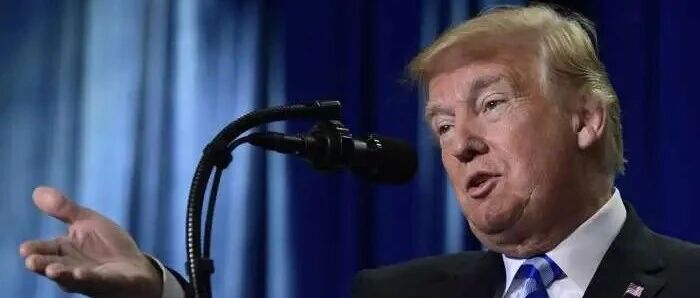
特朗普为何高调重返达沃斯?专家称其三大核心意图值得关注
2 1 Shi Ji Jing Ji Bao Dao· 2026-01-21 09:03
Core Viewpoint - The participation of President Trump and a large U.S. delegation at the World Economic Forum in Davos is a strategic move aimed at reshaping perceptions of U.S. unilateralism into a more acceptable global governance framework [2][3]. Group 1: U.S. Delegation and Strategy - Trump will lead the largest U.S. delegation in the history of the forum, including key government officials and executives from major tech companies like Nvidia and Microsoft [1]. - The delegation's composition reflects a strategic priority on security and economic nationalism, with representatives focusing on alliance restructuring and supply chain reconstruction for critical minerals [3]. Group 2: Implications of Participation - Trump's return to Davos is seen as an attempt to normalize "America First" policies by integrating government officials with tech capital representatives, thereby legitimizing a transactional diplomacy approach [2]. - The high-profile participation may exacerbate feelings of alienation among participants from developing countries, highlighting the inclusivity of initiatives proposed by emerging powers like China [4].