美国债务赤字

Search documents
下调 “斩杀线”、升级霸权打压,特朗普的新年动作,预示 2026 才是真正考验?
Sou Hu Cai Jing· 2026-01-21 08:43
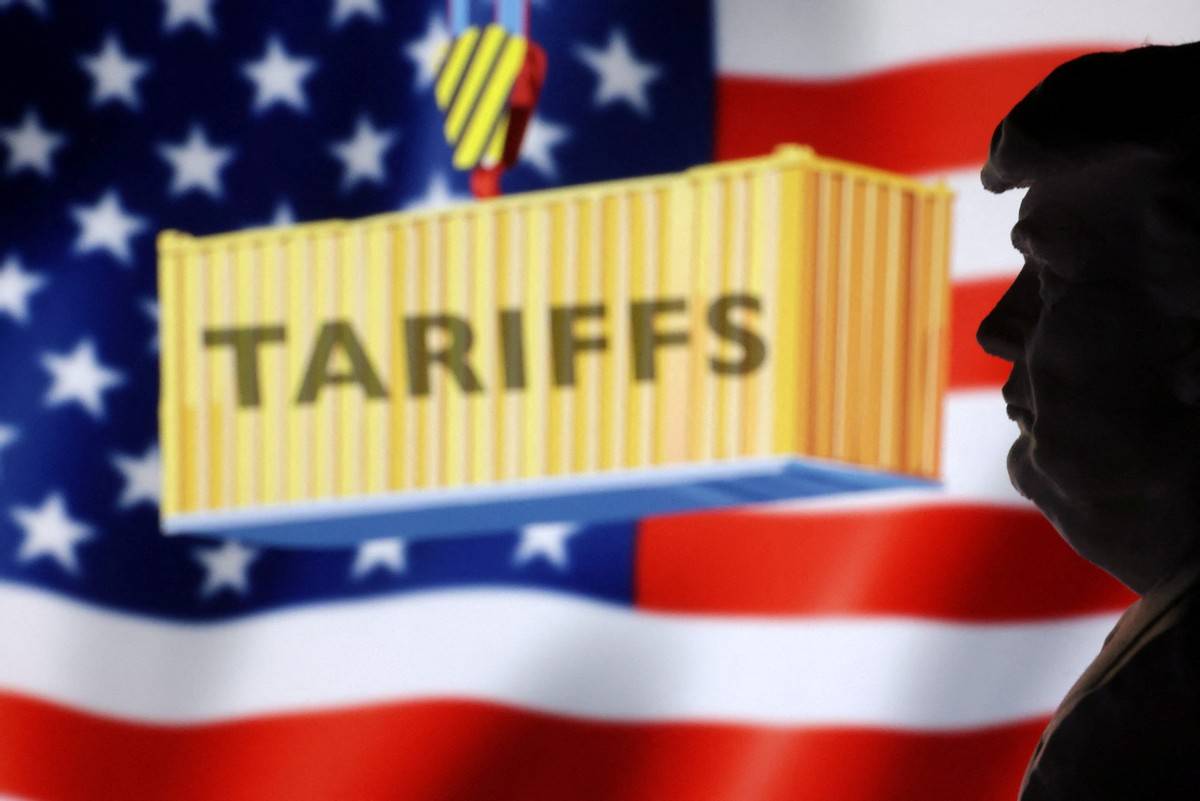
Group 1 - The article discusses the potential significant changes in the Federal Reserve's policies by 2026, influenced by rising inflation data and political pressures from Trump [2] - There is a concern regarding the stability of the US financial system and whether the US dollar and treasury bonds will continue to serve as a global safe haven, depending on the actions taken by the Federal Reserve [2] - The article highlights the growing AI bubble and the role of technology companies like Nvidia in sustaining economic momentum, which poses risks for 2026 [2] Group 2 - Trump, upon returning to the White House, has continued to expand the US national debt, leading to a fallout with Elon Musk, indicating a more aggressive approach to debt management [4] - The article notes that the federal government has a persistent issue with overspending, relying on tariffs to generate approximately $300 billion annually, while the timeline for significant investments remains uncertain [4] - To maintain global dominance and fulfill the vision of "Make America Great Again," the US government is likely to continue increasing its debt levels [4]

特朗普搞大动作!卖“美国绿卡”还债务?500万美元一张
华尔街见闻· 2025-02-26 10:01
Core Viewpoint - The article discusses President Trump's announcement of a new "Gold Card" program that allows foreign investors to obtain U.S. residency and potential citizenship by investing at least $5 million in U.S. projects, aiming to reduce the national debt and attract wealthy individuals [1][2][3]. Group 1: Gold Card Program Details - The "Gold Card" is described as a pathway to citizenship, with the program expected to launch in about two weeks without needing Congressional approval [2][9]. - Trump estimates that selling 10 million "Gold Cards" could generate $50 trillion, significantly impacting the national debt of $35 trillion [3]. - The program is anticipated to create thousands of jobs and generate substantial tax revenue from wealthy individuals entering the U.S. [8][12]. Group 2: Comparison with EB-5 Visa - The "Gold Card" requires an investment of $5 million, which is approximately 5.5 times the $900,000 required for the EB-5 visa program [5][6]. - The EB-5 visa program, established in 1990, allows foreign investors to obtain residency by investing in U.S. projects that create jobs, with a minimum investment of $900,000 [5]. - The "Gold Card" will not provide immediate citizenship; holders must reside in the U.S. for five years before applying for citizenship [7]. Group 3: Public Reaction and Implications - The announcement has sparked significant discussion online, with some viewing it as a way to "auction" U.S. citizenship [14][15]. - Critics argue that the high cost of the "Gold Card" may limit its accessibility, while others suggest it could effectively address budget deficits [16][17]. - The program is seen as a response to perceived flaws in the EB-5 program, which has faced issues of fraud and misuse [13][14].