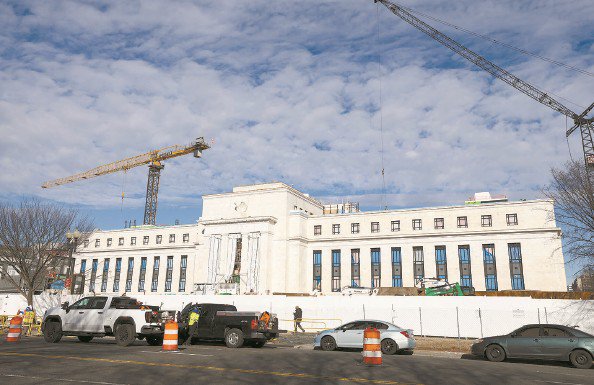
美国货币政策

Search documents
杨华曌:现货黄金价格涨跌走势分析及日内多空操作建议
Xin Lang Cai Jing· 2026-02-24 12:30
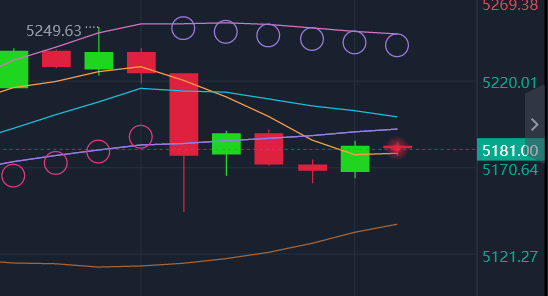
Core Viewpoint - The gold market is experiencing a significant pullback after reaching a monthly high of $5230, indicating a shift from short-term buying to profit-taking, with U.S. monetary policy being a key variable influencing gold prices [1][4][5]. Group 1: Market Dynamics - Gold prices showed a clear upward trend before retreating, with market participants moving towards profit-taking [1][4]. - The U.S. Federal Reserve's recent meeting minutes indicate that several officials believe that a new round of easing should not be pursued until inflation trends stabilize [1][4]. - Changes in U.S. trade policy, including new global tariff proposals by President Trump, have raised concerns about global economic growth, impacting market sentiment [5]. Group 2: Geopolitical Factors - Ongoing geopolitical tensions, particularly in the Middle East, continue to pose potential conflict risks, with the market closely monitoring U.S.-Iran nuclear negotiations [5]. - Such military conflict risks typically increase demand for safe-haven assets like gold, providing medium to long-term support for prices [5]. Group 3: Technical Analysis - The overall trend for gold remains bullish, but it has entered a structural adjustment phase after reaching a peak around $5238 [7]. - The price is currently above long-term moving averages, but there is a notable distance between the price and these averages, indicating a potential need for a return to the mean [7]. - Key support levels are identified around the 50-day moving average, while the 200-day moving average remains significantly below current prices, suggesting that the long-term bullish structure is intact as long as mid-term support is not breached [7].

交易所出手,调整涨跌停幅度!
Zhong Guo Ji Jin Bao· 2026-02-24 11:25
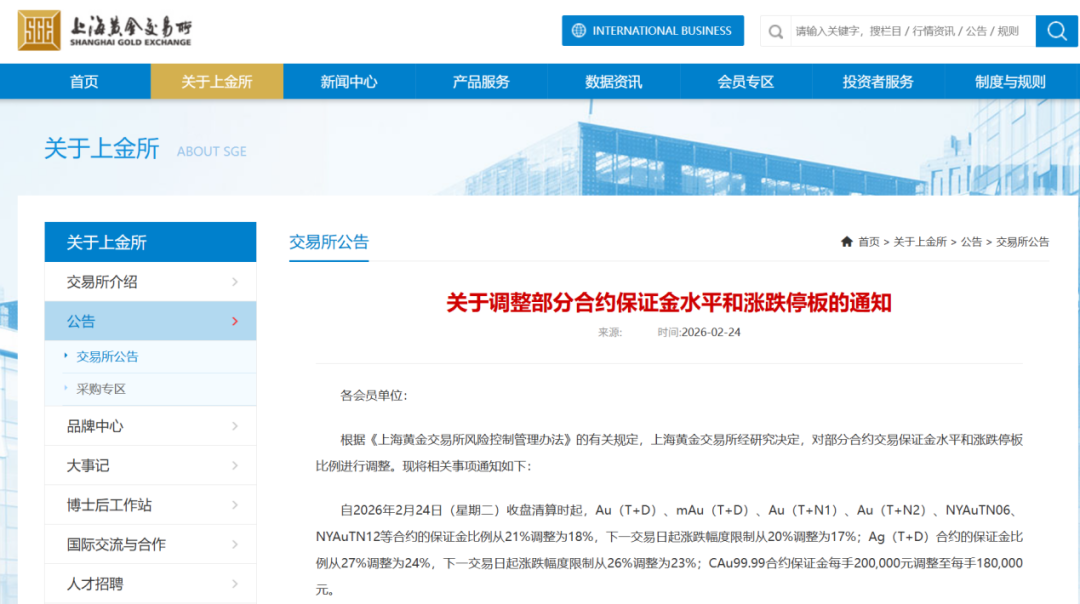
Core Viewpoint - Shanghai Gold Exchange has adjusted the margin levels and price fluctuation limits for certain contracts to enhance market stability and risk management [1][2]. Group 1: Margin Adjustments - The margin ratio for Au (T+D), mAu (T+D), Au (T+N1), Au (T+N2), NYAuTN06, and NYAuTN12 contracts has been reduced from 21% to 18%, with the price fluctuation limit changing from 20% to 17% starting February 24 [1]. - The margin ratio for Ag (T+D) contracts has been decreased from 27% to 24%, and the fluctuation limit has been adjusted from 26% to 23% [1]. - The margin for CAu99.99 contracts has been modified from 200,000 yuan to 180,000 yuan per contract [1]. Group 2: Market Conditions - As of February 24, the spot gold price is at 5169 USD/ounce, and the spot silver price is at 88.07 USD/ounce, both remaining at recent high levels [2]. - The Shanghai Gold Exchange reported a 3.59% increase in gold T+D and a 13.97% increase in silver T+D as of the same date [2]. - The market is influenced by U.S. monetary policy, with the Federal Reserve indicating a cautious approach to new easing cycles until inflation trends stabilize [3]. Group 3: Geopolitical Factors - Ongoing geopolitical tensions in the Middle East, particularly regarding U.S.-Iran nuclear negotiations, are contributing to increased demand for safe-haven assets like gold [4]. - UBS has maintained a positive outlook on gold, projecting a target price of 6200 USD/ounce in the coming months, driven by strong investment flows and central bank purchases [4].
美联储“大鸽派”沃勒感叹:美国经济,看不懂
Feng Huang Wang· 2026-02-23 22:39
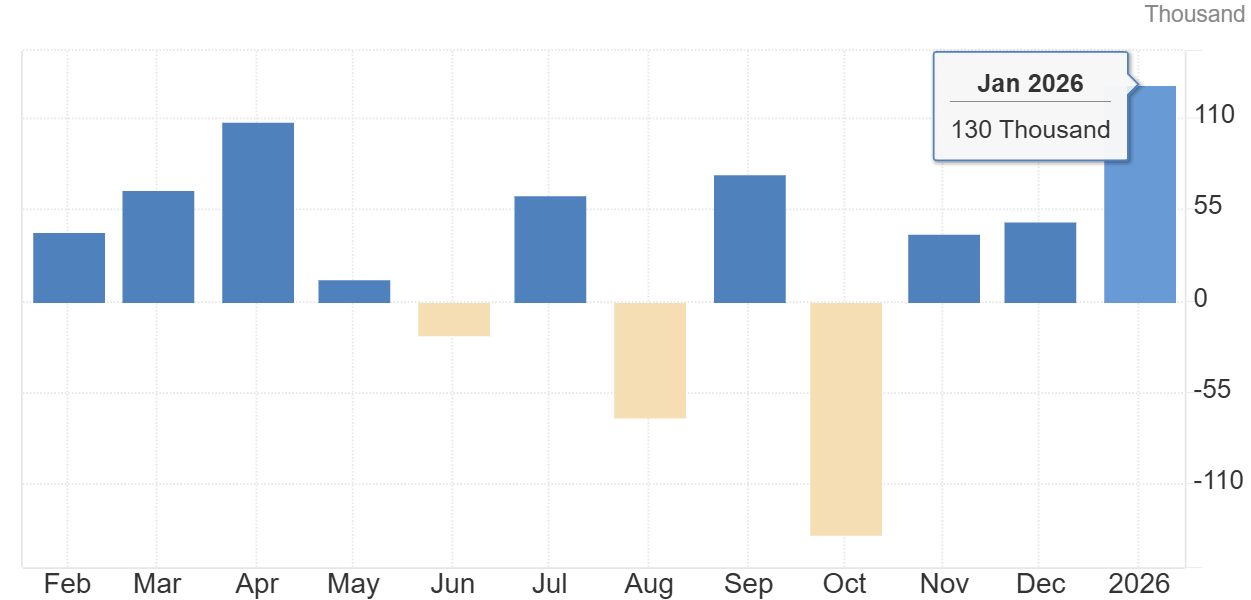
Core Viewpoint - Federal Reserve Governor Christopher Waller adjusted his dovish stance, emphasizing the confusing signals from the U.S. economy during his speech at the NABE Economic Policy Conference [1][3] Group 1: Economic Signals - Waller noted that the U.S. economy is currently sending contradictory signals, with economic growth occurring alongside zero job growth, a situation he has never encountered before in his career [3][4] - He expressed uncertainty about whether job growth will return this year or if the economy is in an unprecedented phase of activity [3] Group 2: Employment Data - The January non-farm payroll report showed that the number of jobs added was higher than the total for the previous nine months combined, leading Waller to consider a more positive outlook if February data continues this trend [2][3] - The annual revision of the non-farm employment data for 2025 indicates only 181,000 jobs will be added throughout the year, averaging just 15,000 per month, which may lead to significant downward revisions in the coming months [3][4] Group 3: Future Projections - Waller warned that 2025 could see the weakest job creation since 2002, excluding recession periods, and if the final data is revised to negative, it would mark only the third occurrence since 1945 [4] - He indicated that if February's employment figures align more closely with the 2025 projections, he would be more inclined to advocate for interest rate cuts, with the likelihood of outcomes being nearly a coin toss [4] Group 4: Tariff Implications - Waller mentioned the Supreme Court's ruling against tariffs imposed by former President Trump under the IEEPA, which could positively impact consumer and business demand, though the extent and duration of this effect remain uncertain [4] - He questioned whether businesses would actually lower prices in response to reduced costs from tariffs or if prices would remain unchanged due to new tariffs imposed by Trump [4]
美联储暂停降息后,不到24小时,特朗普决定换人,56岁高管将上任
Sou Hu Cai Jing· 2026-01-31 08:54
Core Viewpoint - The recent announcement by Federal Reserve Chairman Jerome Powell to pause interest rate cuts, followed by President Trump's nomination of Kevin Warsh to replace Powell, highlights the complexities of internal power struggles in the U.S. and raises questions about future economic policies [1][5]. Group 1: Federal Reserve's Monetary Policy - Powell's decision indicates increased confidence in the U.S. economic recovery after several aggressive rate hikes, suggesting a potential stabilization of the economy [1]. - The U.S. has implemented multiple rounds of interest rate hikes, which theoretically should strengthen the dollar and attract foreign investment, but high tariffs and a strong dollar have created challenges for U.S. consumers and exporters [3]. - Warsh's potential leadership may lead to a more conservative monetary policy, opposing quantitative easing and advocating for a reduction in the balance sheet, which could reduce market intervention [3][5]. Group 2: Economic Implications - The U.S. faces a significant challenge with $38 trillion in national debt, making any interest rate cuts complex due to the need to maintain the dollar's international credibility [5]. - Trump's desire for substantial rate cuts to provide relief to domestic businesses and consumers may conflict with the Fed's need to balance economic stimulation and inflation control [5]. - The upcoming decisions by the Fed will be closely monitored by global investors, as Warsh's potential strict measures could lead to market volatility and increased economic uncertainty [5][7]. Group 3: Market Reactions and Future Outlook - The power struggle over the Fed chair position reflects deeper changes in U.S. economic policy, with market expectations and skepticism regarding Warsh's leadership likely to influence economic trends [7]. - The evolving U.S. monetary policy landscape will be critical in determining the future economic situation, with implications for global economies and businesses [7].

凯文·沃什是谁?他的当选意味着什么?
Sou Hu Cai Jing· 2026-01-30 13:09
Core Viewpoint - Trump intends to nominate Kevin Warsh as the next Federal Reserve Chairman, expressing confidence in his capabilities and suitability for the role [1]. Group 1: Nomination and Background - Kevin Warsh served as a Federal Reserve Governor from 2006 to 2011 and has provided economic policy advice to Trump [1]. - Warsh's potential appointment marks his return to politics after previously being overlooked for the Fed Chair position in 2017 [1]. - If confirmed by the Senate, Warsh will take over from Jerome Powell when his term ends in May [1]. Group 2: Economic Policy and Market Reactions - Warsh has publicly advocated for lowering interest rates, which contrasts with his previous hawkish stance on inflation [2][5]. - His nomination has led to a mixed market reaction, with the dollar maintaining its strength while U.S. stock index futures declined [2]. - Despite Warsh's support for lower rates, there are concerns that his appointment could undermine the Federal Reserve's independence [2]. Group 3: Federal Reserve Dynamics - The Federal Open Market Committee (FOMC), which consists of 12 members, will ultimately decide on interest rates, meaning Warsh's appointment does not guarantee a shift in policy [2]. - The FOMC has recently maintained interest rates despite previous cuts, indicating a cautious approach to monetary policy [2][5]. - Analysts predict that if Warsh is appointed, he may be perceived as more hawkish than other candidates, influencing market expectations [5]. Group 4: Personal and Political Connections - Warsh is noted for being one of the youngest and wealthiest members of the Federal Reserve Board, with familial ties to significant Republican donors [4]. - His connections and experience in financial markets were crucial during the 2008 financial crisis [3].
下调 “斩杀线”、升级霸权打压,特朗普的新年动作,预示 2026 才是真正考验?
Sou Hu Cai Jing· 2026-01-21 08:43
Group 1 - The article discusses the potential significant changes in the Federal Reserve's policies by 2026, influenced by rising inflation data and political pressures from Trump [2] - There is a concern regarding the stability of the US financial system and whether the US dollar and treasury bonds will continue to serve as a global safe haven, depending on the actions taken by the Federal Reserve [2] - The article highlights the growing AI bubble and the role of technology companies like Nvidia in sustaining economic momentum, which poses risks for 2026 [2] Group 2 - Trump, upon returning to the White House, has continued to expand the US national debt, leading to a fallout with Elon Musk, indicating a more aggressive approach to debt management [4] - The article notes that the federal government has a persistent issue with overspending, relying on tariffs to generate approximately $300 billion annually, while the timeline for significant investments remains uncertain [4] - To maintain global dominance and fulfill the vision of "Make America Great Again," the US government is likely to continue increasing its debt levels [4]
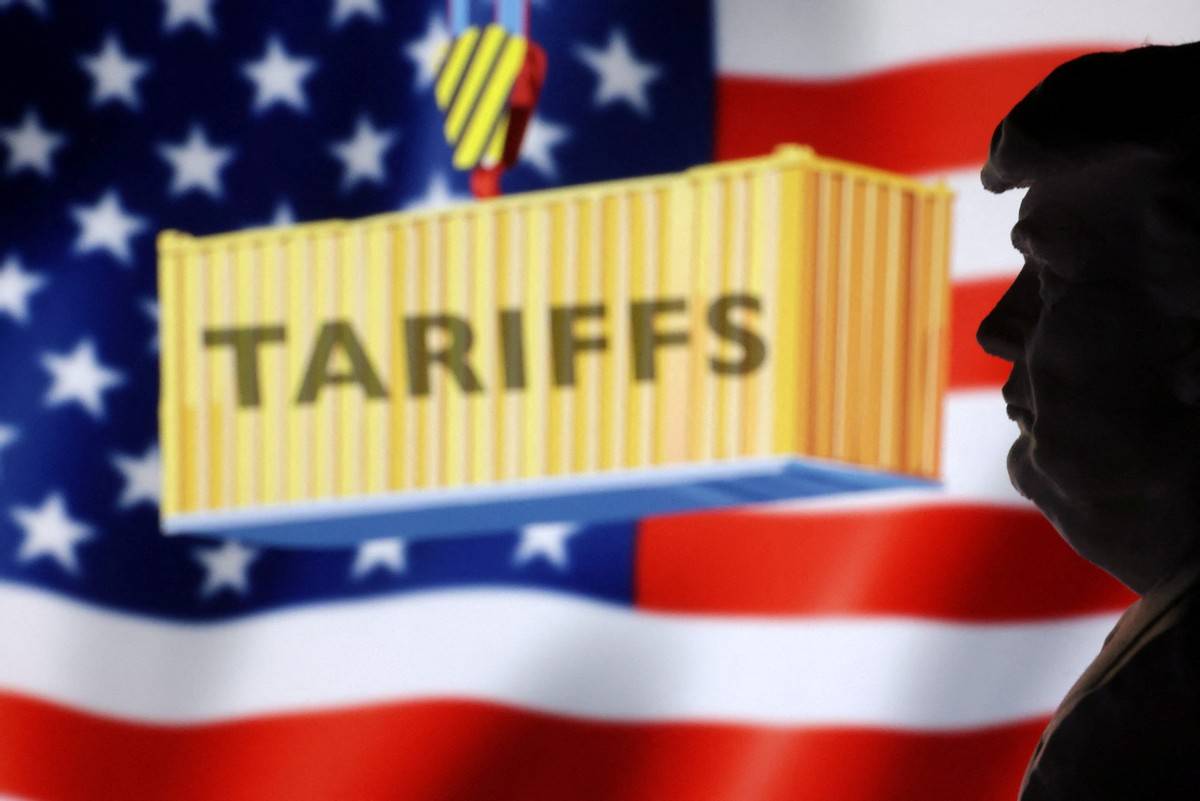
国泰海通:特朗普扰动地缘政治局势 建议战术性超配A/H股、美股、黄金
智通财经网· 2026-01-19 22:33
Core Viewpoint - The report suggests a tactical overweight in A/H shares, U.S. stocks, and gold, while recommending an underweight in U.S. Treasuries and crude oil due to various economic and geopolitical factors. Group 1: U.S. Treasury and Monetary Policy - The uncertainty surrounding the new Federal Reserve chairperson is increasing, leading to heightened market speculation regarding U.S. monetary policy, which makes U.S. Treasuries less attractive compared to risk assets [1][3] - The U.S. labor market is cooling, and lower energy prices along with slow wage growth are likely to reduce inflationary pressures, providing the Federal Reserve with more room to adjust monetary policy [3] - U.S. Treasury yields are expected to decline moderately, but the uncertainty regarding the Federal Reserve's leadership is causing a lower risk-return ratio for Treasuries compared to risk assets [3] Group 2: Chinese Equity Market - Multiple factors support the performance of Chinese equities, leading to a recommendation for an overweight in A/H shares [2] - The upcoming economic work conference and the start of the 14th Five-Year Plan in 2026 are expected to result in an expansion of the fiscal deficit and more aggressive economic policies [2] - The anticipated interest rate cut by the Federal Reserve in December and the stable appreciation of the RMB will create favorable conditions for monetary easing in China at the beginning of 2026 [2] Group 3: Gold Market - The geopolitical turmoil is increasing uncertainty, which enhances gold's resilience and safe-haven attributes, leading to a recommendation for an overweight in gold [4] - Continuous gold purchases by central banks support the long-term price stability of gold, despite fluctuations driven by speculative trading [4] - The Trump administration's policies are perceived to undermine U.S. international credibility, further bolstering gold's appeal [4] Group 4: Crude Oil Market - Short-term volatility in the crude oil market is expected to increase, leading to a recommendation for an underweight in crude oil [5] - Investor expectations regarding crude oil supply and demand are relatively aligned, with OPEC+ maintaining moderate production adjustments [5] - Geopolitical events in South America may increase U.S. influence on global oil prices, while the Trump administration's policies are inclined towards lower oil prices, suggesting continued pressure on crude oil prices [5]

国泰海通|策略:特朗普扰动地缘政治局势,建议超配黄金
国泰海通证券研究· 2026-01-19 14:03
Core Viewpoint - The article suggests a tactical overweight in A/H shares, US stocks, and gold, while recommending an underweight in US Treasuries and crude oil due to geopolitical tensions and economic conditions [1][2]. Group 1: A/H Shares and US Stocks - Multiple factors support the performance of Chinese equities, with a recommendation to overweight A/H shares. The upcoming economic work conference and the start of the 14th Five-Year Plan in 2026 are expected to lead to an expansion of the fiscal deficit and more aggressive economic policies [1]. - The Federal Reserve is anticipated to lower interest rates in December, and the stability and appreciation of the RMB will provide favorable conditions for monetary easing in early 2026. Reforms are expected to boost market risk appetite in China [1]. - Chinese equities offer a higher risk-return profile compared to other major asset classes [1]. Group 2: US Treasuries - The uncertainty surrounding the new Federal Reserve chairperson is increasing market speculation regarding US monetary policy, leading to a recommendation for an underweight in US Treasuries [1]. - The US labor market is cooling, and lower energy prices along with moderate wage growth are likely to reduce endogenous inflation, providing more room for the Fed to adjust monetary policy [1]. - The resilience of the US economy suggests that the Fed's monetary policy guidance may be relatively cautious, with US Treasury yields expected to decline moderately. However, the uncertainty regarding the new chairperson increases the risk-return ratio of Treasuries compared to risk assets [1]. Group 3: Gold - In the context of geopolitical upheaval, gold is recommended for overweight due to its strong resilience and safe-haven attributes. The rising uncertainty in global geopolitical situations and continued central bank purchases of gold support a long-term price floor for gold [2]. - Despite fluctuations driven by speculative trading, gold prices maintain strong resilience amid the Trump administration's hegemonic policies, which further undermine US international credibility [2]. Group 4: Crude Oil - Short-term volatility in crude oil is expected to increase, leading to a recommendation for an underweight in crude oil. Investor expectations regarding supply and demand for oil are relatively consistent, and OPEC+ has made moderate adjustments to production [2]. - Geopolitical events in South America may increase the US's influence on global oil prices, while the Trump administration's policies are inclined towards lower oil prices, suggesting continued pressure on crude oil prices [2].

表面查装修,实则动国本?鲍威尔突遭刑事调查,背后黑幕不简单
Sou Hu Cai Jing· 2026-01-16 05:03
Core Viewpoint - The criminal investigation into Federal Reserve Chairman Jerome Powell, initiated by the U.S. Attorney's Office for the District of Columbia, is ostensibly focused on the renovation project of the Federal Reserve headquarters, but it suggests deeper political implications and conflicts of interest [1][3]. Investigation Details - The investigation aims to determine whether Powell lied to Congress regarding the scope of the renovation project, with the inquiry having been approved in November of the previous year [3]. - The prosecutor leading the investigation, Janine Pirro, is a close ally of former President Trump, raising questions about the political motivations behind the investigation, especially given the historical tensions between Trump and Powell [3][5]. Political Context - Powell's term is set to expire in May, and Trump has indicated plans to announce a successor in January, coinciding with the timing of the criminal investigation, which raises suspicions of a politically motivated attack [5]. - The investigation could undermine the perceived independence of the Federal Reserve, which has traditionally maintained a stance of political neutrality to ensure objective monetary policy [5][7]. Market Implications - The ongoing investigation has created uncertainty in market expectations regarding Federal Reserve policy, particularly concerning interest rate decisions [7]. - The political strife has now extended into the financial sector, potentially exacerbating instability in the already fragile global economy [7]. Future Outlook - The outcome of the investigation and the potential nomination of a new chairman by Trump in January will be critical to watch, as they may reveal more about the underlying political dynamics at play [7].
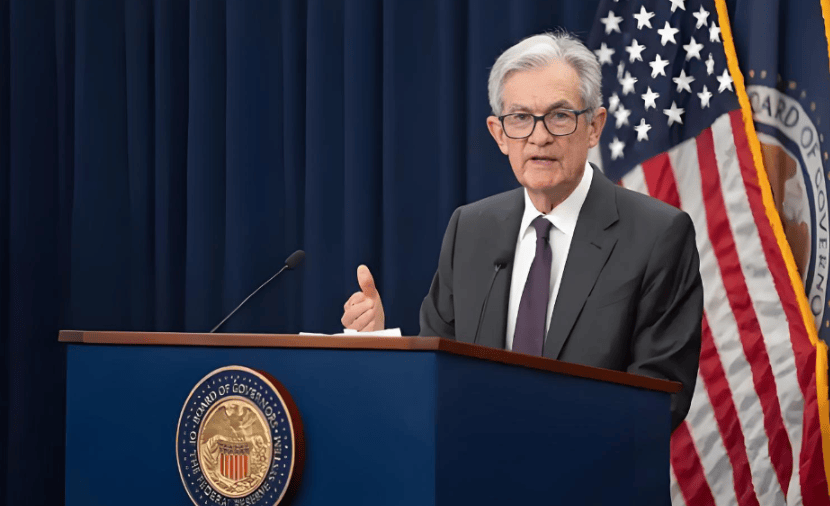
美货币政策不确定性增加
Xin Lang Cai Jing· 2026-01-13 07:26
Core Viewpoint - The investigation into Federal Reserve Chairman Jerome Powell by U.S. federal prosecutors may threaten the independence of the Federal Reserve and increase uncertainty regarding monetary policy [2] Group 1: Investigation Details - Federal prosecutors delivered a subpoena to the Federal Reserve on January 9, threatening criminal charges related to Powell's testimony before the Senate Banking Committee in June 2025 concerning the Fed's office renovation project [2] - Powell stated he will not succumb to political pressure or intimidation and will continue to fulfill his duties [2] Group 2: Implications for the Federal Reserve - Analysts suggest that the ongoing investigation could further erode the independence of the Federal Reserve amid ongoing tensions between the White House and the Fed regarding monetary policy [2] - President Trump has repeatedly called for Powell's resignation due to dissatisfaction with the Fed's lack of aggressive interest rate cuts [2] - If formal charges are brought against Powell, it could create uncertainty in his role, and a vacancy in the position of Fed Chairman could lead to confusion and a vacuum in decision-making [2]