
美国AI泡沫

Search documents
周观点:美国AI泡沫延续或将深化地缘冲突-20260322
Huafu Securities· 2026-03-22 11:45
Group 1 - The report highlights that the intensity of AI investment in the US is high, but the sustainability of marginal returns is questionable. There is a possibility of external pressure being transferred to maintain the expansion path until a systemic correction occurs in the related bubble [2][3] - The process of maintaining AI valuations in the US may create a siphoning effect on global sovereign wealth, exacerbating the fragility of the global financial system. If energy prices continue to rise, the probability of the Federal Reserve restarting the interest rate hike cycle may increase [3] - In the context of rising global fragility, RMB assets may have relatively outstanding allocation value. It is suggested to focus on the two main lines of the RMB's phase appreciation and rising energy prices, and to conduct structural adjustments in the Chinese market on an annual basis [3] Group 2 - The report expresses a mid-term positive outlook on coal, new energy, agriculture, electricity, oil, and US capital goods related to inflation [3] - For the long term, the report favors insurance, central state-owned enterprises, anti-involution, and Chinese internet companies [3] Group 3 - The report indicates that the Federal Reserve maintains a positive outlook on the resilience of the US economy, raising the GDP growth forecast for 2026 from 2.3% to 2.4%. However, inflation concerns have significantly increased, with the overall PCE inflation forecast for 2026 raised from 2.4% to 2.7% [8][10] - The report notes that the US AI infrastructure expansion is driving capital expenditure growth, but the commercialization process is relatively lagging, raising doubts about the sustainability of marginal capital returns [9]
下调 “斩杀线”、升级霸权打压,特朗普的新年动作,预示 2026 才是真正考验?
Sou Hu Cai Jing· 2026-01-21 08:43
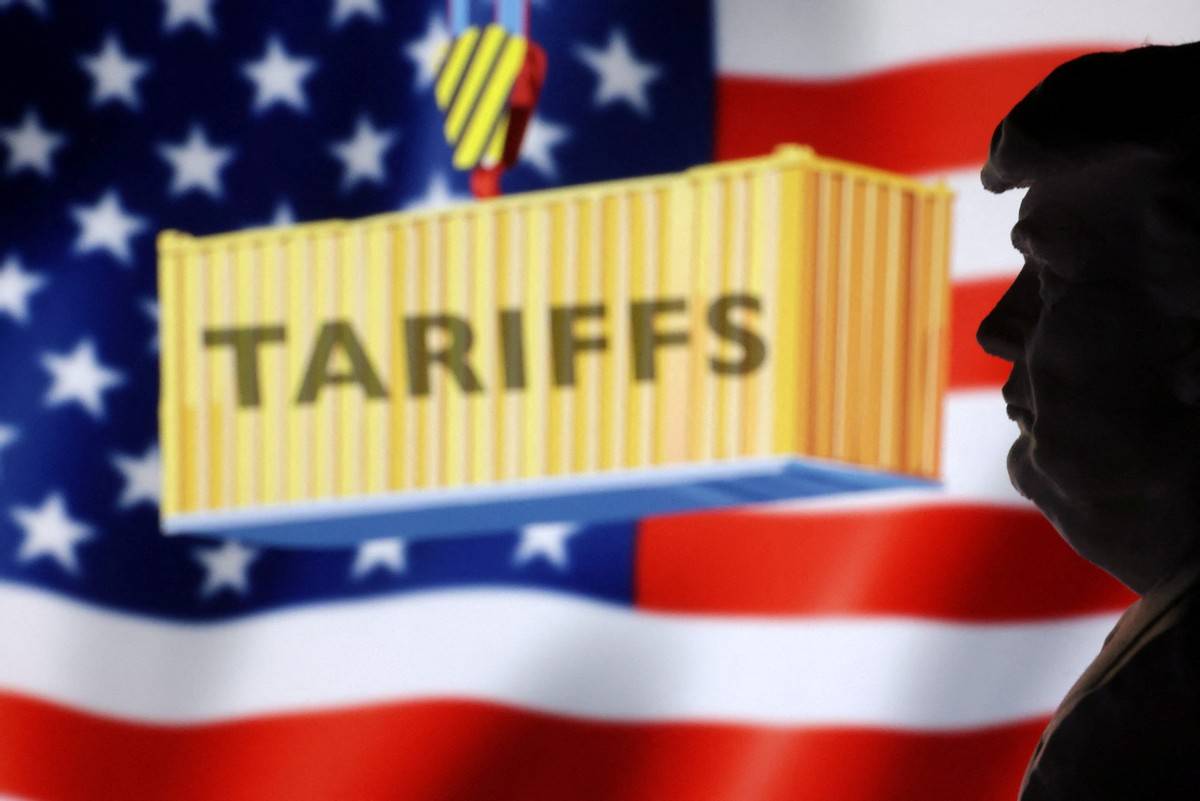
Group 1 - The article discusses the potential significant changes in the Federal Reserve's policies by 2026, influenced by rising inflation data and political pressures from Trump [2] - There is a concern regarding the stability of the US financial system and whether the US dollar and treasury bonds will continue to serve as a global safe haven, depending on the actions taken by the Federal Reserve [2] - The article highlights the growing AI bubble and the role of technology companies like Nvidia in sustaining economic momentum, which poses risks for 2026 [2] Group 2 - Trump, upon returning to the White House, has continued to expand the US national debt, leading to a fallout with Elon Musk, indicating a more aggressive approach to debt management [4] - The article notes that the federal government has a persistent issue with overspending, relying on tariffs to generate approximately $300 billion annually, while the timeline for significant investments remains uncertain [4] - To maintain global dominance and fulfill the vision of "Make America Great Again," the US government is likely to continue increasing its debt levels [4]

周观点:工业企业利润走弱不改制造业价格延续复苏-20251228
Huafu Securities· 2025-12-28 13:36
Core Insights - The report highlights a decline in industrial enterprise profits in China, with a year-on-year decrease of 13.1% in November, down from a previous decline of 5.5%, indicating a significant drop of 7.6 percentage points [8][10] - The report discusses the ongoing recovery in manufacturing prices despite weakening profits, suggesting a complex relationship between volume, price, and profit margins in the industrial sector [8][10] - It emphasizes the potential for a long-term shift in market styles in China amid the release of overseas risks, alongside a significant appreciation of the Renminbi [3][4] Group 1: Industrial Sector Analysis - In November, the year-on-year growth rate of industrial profits continued to decline, with industrial added value growth dropping from 4.9% to 4.8% and PPI decreasing from -2.1% to -2.2% [8][10] - The report notes that while upstream raw material processing industries are experiencing price declines, the midstream manufacturing sector shows an overall improvement in profit growth [8][10] - The report identifies a clear divergence in profit growth rates across different segments, with midstream manufacturing profits improving while upstream and downstream sectors face challenges [8][10] Group 2: Market Performance - The Hong Kong stock market showed a rebound, with the Hang Seng Index rising by 0.5% and the Hang Seng China Enterprises Index increasing by 0.16% [9][12] - The A-share market also experienced a positive trend, with the Shanghai Composite Index rising by 1.88% and the ChiNext Index leading the gains [13][26] - The report highlights that advanced manufacturing and technology sectors are leading in growth, while healthcare and consumer sectors are underperforming [26][27] Group 3: Investment Opportunities - The report suggests a long-term positive outlook for sectors such as insurance, state-owned enterprises, anti-involution industries, Chinese internet companies, and military trade [3][4] - It indicates that the performance of the aerospace equipment sector continues to lead in excess returns relative to the Shanghai Composite Index [27][28] - The report also notes that the performance of high-beta stocks is improving, while those with significant earnings losses are lagging [21][26]
泡沫还是繁荣?揭秘美股“AI神话”真相丨财经早察
2 1 Shi Ji Jing Ji Bao Dao· 2025-11-07 10:37
Core Viewpoint - The article discusses the potential bursting of the AI bubble in the U.S. stock market, highlighting the growing consensus on the risks associated with AI investments and the uncertainty surrounding the development of Artificial General Intelligence (AGI) [2][3]. Group 1: AI Market Dynamics - A recent survey indicates that 95% of companies using generative AI in the U.S. have not turned a profit from the technology [3]. - The narrative surrounding AGI has led to significant investments, with AI-related spending contributing more to U.S. GDP growth than all consumer spending combined [3]. - Projections suggest that by mid-2025, 92% of U.S. GDP growth could stem from massive AI investments, yet many companies, including OpenAI, are facing substantial losses [3]. Group 2: Market Reactions and Comparisons - Investors are beginning to short the AI bubble, with notable figures like Michael Burry indicating that excessive spending and low returns could lead to the collapse of leading AI companies [3][4]. - The current AI bubble in the U.S. is compared to Japan's economic bubble, where companies inflated asset values through mutual investments and high valuations [4]. - The establishment of numerous data centers in the U.S. and their bundling into bonds is likened to the mortgage-backed securities that contributed to the subprime crisis, creating hidden leverage risks [4]. Group 3: Competitive Landscape - The article contrasts the U.S. approach to AI, which focuses on the uncertain future of AGI, with China's pragmatic strategy that emphasizes industry applications and efficiency [5]. - Chinese investments in AI are directed towards specific sectors like autonomous driving and biopharmaceuticals, creating a more sustainable business model [5]. - Financial institutions like Goldman Sachs and Morgan Stanley are warning of potential declines in U.S. tech stocks while expressing optimism about China's AI and electric vehicle sectors [5].

