美国国防战略

Search documents
美新版国防战略报告的变与不变
Xin Lang Cai Jing· 2026-01-26 06:39
Core Viewpoint - The 2026 U.S. Defense Strategy Report reflects a shift in language regarding China, indicating a potential easing of tensions and a focus on mutual respect in bilateral relations [2][3] Group 1: U.S. Defense Strategy Priorities - The report outlines four main priorities: safeguarding U.S. homeland security and interests in the Western Hemisphere, deterring China in the Indo-Pacific through strength rather than confrontation, increasing the responsibility of U.S. allies and partners, and fully strengthening the U.S. defense industrial base [1] - The prioritization of these issues indicates a recalibration of U.S. interests rather than a simple fluctuation in attitudes towards China, emphasizing a reassessment of the costs and benefits of global strategic expansion [1] Group 2: China’s Position and Response - The report marks a significant change in the U.S. stance towards China, no longer emphasizing the "China threat" but rather recognizing China as a "definite power" in the Indo-Pacific, which may open avenues for cooperation in various fields [2] - Despite the U.S. adjustments, China remains committed to its core interests and principles, particularly regarding Taiwan, which is viewed as an inseparable part of its territory [3] Group 3: Ongoing Strategic Dynamics - The essence of U.S. strategic containment towards China remains unchanged, necessitating vigilance and awareness of ongoing military confrontations in the Indo-Pacific [4] - China continues to advocate for peaceful development and resolution of international disputes through dialogue, contrasting with the U.S. approach centered on deterrence and confrontation [4] Group 4: Future of U.S.-China Relations - The relationship between the U.S. and China is crucial, and both nations should aim to be partners and friends, respecting each other's core interests and development paths to foster a stable foundation for cooperation [5] - Focusing on building a new type of major power relationship based on mutual respect and cooperation is deemed essential for the benefit of both nations and the global community [5]
美国最新发布,台媒:“提台湾0次”
Huan Qiu Wang· 2026-01-25 05:55
Group 1 - The core viewpoint of the latest U.S. defense strategy report prioritizes domestic security and interests in the Western Hemisphere, while emphasizing the need to strengthen partnerships and develop the defense industrial base [1][2] - The report notably does not mention Taiwan, contrasting with the previous 2022 report which referenced Taiwan four times, indicating a significant shift in U.S. policy [1][2] - The omission of Taiwan in the report suggests a strategic pivot away from viewing China as a primary threat, marking a departure from the Trump administration's stance that labeled China as a strategic competitor [2] Group 2 - Analysts in Taiwan express concern that the lack of mention of Taiwan in official documents reflects a gap between U.S. policy and Taiwanese expectations, urging caution from Taiwanese authorities [2]

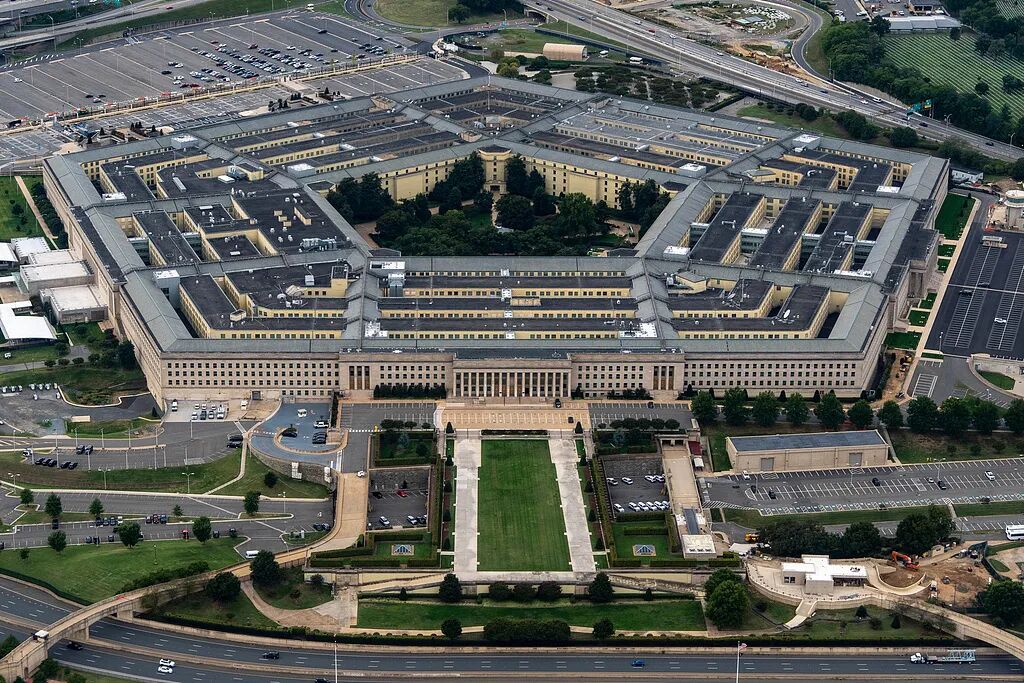
美国国防部最新发布,台媒:“提台湾0次”
Xin Lang Cai Jing· 2026-01-25 05:55
Core Insights - The U.S. Department of Defense has released its 2026 defense strategy report, prioritizing domestic security and interests in the Western Hemisphere, while emphasizing the need to strengthen partnerships and develop the defense industrial base [1] - The latest report notably does not mention Taiwan, contrasting with the 2022 report which referenced Taiwan four times, indicating a significant shift in U.S. defense policy towards China [1] Group 1 - The 2026 defense strategy report prioritizes U.S. homeland security and interests in the Western Hemisphere [1] - The report emphasizes strengthening responsibility-sharing with allies and partners, as well as developing the defense industrial base [1] - The omission of Taiwan in the latest report marks a departure from previous U.S. defense strategies that identified China as a strategic competitor [1] Group 2 - The absence of Taiwan in the current defense strategy may reflect a desire to avoid provoking China [1] - Analysts in Taiwan express concern that the U.S. government's failure to mention Taiwan in official documents indicates a significant gap between U.S. policy and Taiwan's expectations [1] - The report's shift in focus suggests that Taiwan's authorities should approach U.S. relations with caution [1]
美媒爆料“美国防部考虑裁减4500名驻韩美军官兵”,韩美否认
Huan Qiu Shi Bao· 2025-05-23 23:00
Core Viewpoint - The U.S. and South Korea have denied reports regarding the reduction of U.S. troops stationed in South Korea, emphasizing the importance of the U.S.-South Korea alliance and the commitment to maintaining joint defense capabilities [1][3][4]. Group 1: U.S. Military Presence in South Korea - The South Korean Ministry of Defense stated that the U.S. military presence is a core strength of the U.S.-South Korea alliance, contributing to peace and stability on the Korean Peninsula [1]. - Reports from the Wall Street Journal indicated that the U.S. government was considering transferring approximately 4,500 troops from South Korea to other bases in the Indo-Pacific region, including Guam [3][5]. - The U.S. Indo-Pacific Command warned against reducing troop numbers, stating that such cuts could jeopardize their ability to respond to threats from North Korea and potential conflicts with China and Russia [5]. Group 2: Financial Contributions and Negotiations - The U.S. has previously pressured South Korea to increase its defense cost-sharing, with President Trump suggesting a fivefold increase in defense spending during negotiations [4]. - A recent defense cost-sharing agreement signed last October raised South Korea's annual contribution by 8.3% to approximately 1.52 trillion won starting in 2026 [4]. - The U.S. Department of Defense has indicated that South Korea, as a "wealthy" ally, should provide more compensation for the military protection it receives [3][4]. Group 3: Future Strategic Considerations - Discussions regarding troop adjustments are expected to align with the U.S. Department of Defense's ongoing development of a new defense strategy, which prioritizes domestic defense and countering China in the Indo-Pacific [5]. - The U.S. Defense Secretary has instructed the formulation of a new defense strategy that emphasizes the need for South Korea to take on more responsibility for its conventional defense [5].