美育救国

Search documents
以“形式美”装饰生活(深观察)
Ren Min Ri Bao Hai Wai Ban· 2025-11-19 23:09
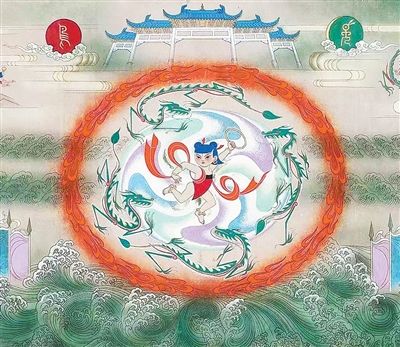
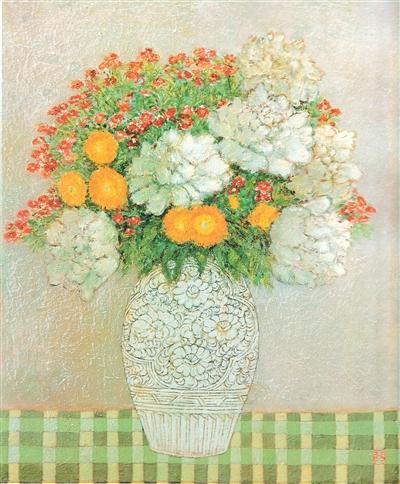
Core Viewpoint - The exhibition "People's 'Form': The Artistic Journey of Tsinghua University Academy of Fine Arts" showcases the evolution of art at Tsinghua University, highlighting the contributions of several generations of artists who blend traditional and modern elements to serve the aesthetic needs of the people [2][4][11]. Group 1: Exhibition Overview - The exhibition features 103 artworks and 163 sets of documents, illustrating the artistic lineage of Tsinghua University Academy of Fine Arts, formerly known as Central Academy of Arts and Crafts [2]. - It aims to trace the development of 20th-century Chinese design and art, reflecting on how artists have integrated beauty into national destiny and daily life [4][9]. Group 2: Artistic Contributions - Artists like Pang Xunqin, Lei Guiyuan, Zhang Guangyu, and Zhang Di have played pivotal roles in innovating art forms that resonate with the social transformations in China [4][5]. - Pang Xunqin's works, such as the watercolor "Son of the Earth," depict the struggles of rural life, while his later oil painting "Bottle Flower" merges Western techniques with Eastern aesthetics [5]. - Zhang Guangyu draws inspiration from folk art, creating modern interpretations of traditional stories, exemplified by his design drafts for the animated film "Havoc in Heaven" [5][6]. Group 3: Cultural Exploration - The artists' journeys into various regions of China have led to the creation of vibrant works that reflect the diversity of Chinese culture [6][10]. - Zhang Di's works, such as "Cangshan Pastoral Song," showcase a blend of Western modern art and traditional Chinese styles, emphasizing a new direction for Chinese painting [6][10]. Group 4: Artistic Philosophy - The exhibition embodies the philosophy of "Kite Without a String," representing the continuous exploration of artistic forms while maintaining a connection to cultural and social realities [7]. - The concept of "People's Form" emphasizes the role of art in addressing societal needs and enhancing the quality of life, echoing the ideals of Cai Yuanpei's "art education for national salvation" [4][11]. Group 5: Public Art Initiatives - The mural group at Beijing Capital International Airport, created in 1979, exemplifies the integration of art into public spaces, showcasing themes of national identity and cultural heritage [10]. - The designs reflect a commitment to serving the public through art, illustrating the aspiration for a beautiful life among the people [10][11].

重识装饰和形式美的时代价值
Ren Min Ri Bao· 2025-11-15 21:51
Core Perspective - The article discusses the concept of "decoration" as a blend of Eastern and Western traditions, emphasizing its role in enhancing the aesthetic quality of life and reflecting cultural identity [2][4]. Group 1: Historical Context and Cultural Significance - Decoration has a rich tradition in China, with historical artifacts like pottery, bronze, porcelain, and textiles showcasing intricate patterns that embody Eastern cultural aesthetics [2]. - Philosophers since ancient times have debated the ethical implications of decoration, suggesting that excessive ornamentation could lead to social unrest, a view echoed in Western thought by figures like Adolf Loos [2]. Group 2: Modern Artistic Practices - The exhibition "People's Form" at Tsinghua University Art Museum highlights the contributions of various artists from the Tsinghua University Academy of Fine Arts, showcasing their pursuit of modern decoration and its relation to Eastern aesthetics and national identity [3]. - Artists from Tsinghua University have dedicated themselves to enhancing the material culture and living conditions of the people through decoration and design, often overlooked in art history [4]. Group 3: Contemporary Relevance and Future Directions - The evolving significance of decoration is tied to meeting the growing spiritual and cultural needs of the populace, indicating a shift towards more people-oriented artistic expressions [5]. - The integration of art, science, and technology is essential for developing a contemporary understanding of decoration and aesthetic forms, which should reflect the demands of modern society [5].