美西方制裁

Search documents
伊朗大范围断网,特朗普再度威胁
第一财经· 2026-01-09 07:54
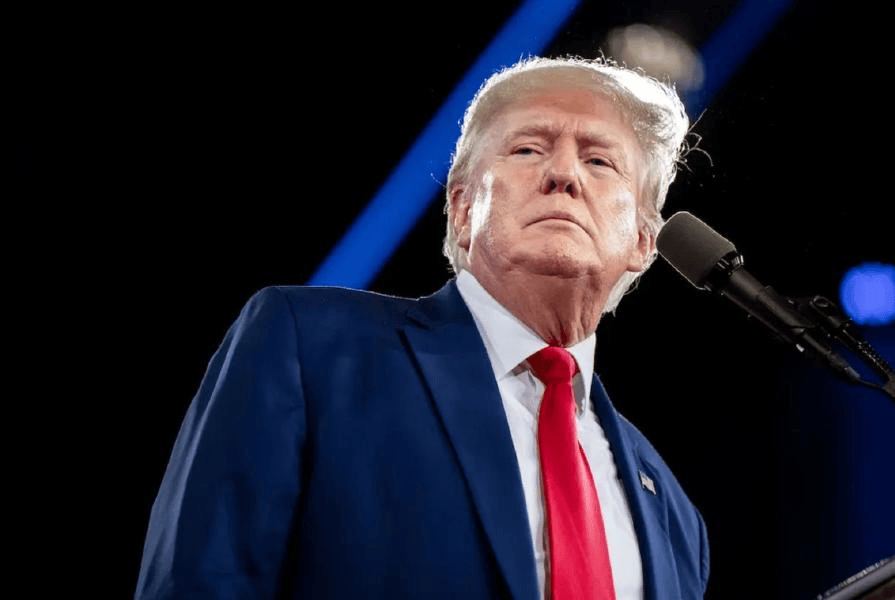
Core Viewpoint - The article discusses the ongoing protests in Iran, triggered by the devaluation of the national currency and the government's ineffective economic management, leading to widespread discontent among the populace [3][5]. Economic Situation - Iran's GDP growth rate turned negative in the first half of 2025, with a reported decline of 0.6% including oil revenues and 0.8% excluding oil revenues [5]. - The official exchange rate of the Iranian rial was devalued in December 2025, with the current market rate at approximately 1.5 million rials per US dollar, severely impacting the purchasing power of ordinary Iranians [5][6]. - The average monthly salary for a full-time worker in Iran is now around 100 USD, insufficient for basic food purchases [5]. Protests and Government Response - Protests began on December 28, 2025, in Tehran's Grand Bazaar, quickly spreading to other major cities as merchants and citizens reacted to the currency devaluation [6]. - The Iranian government has expressed willingness to engage in dialogue with protesters, while also differentiating between peaceful demonstrators and armed individuals [8]. - The protests have seen instances of violence, with some demonstrators clashing with police and causing property damage [8]. International Reactions - The United Nations Secretary-General expressed sorrow over the casualties resulting from clashes between security forces and protesters, urging all parties to avoid actions that could escalate tensions [8]. - U.S. President Trump threatened severe repercussions for Iran if further violence occurs, indicating a readiness to intervene if necessary [8].

伊朗表态
券商中国· 2026-01-04 04:15
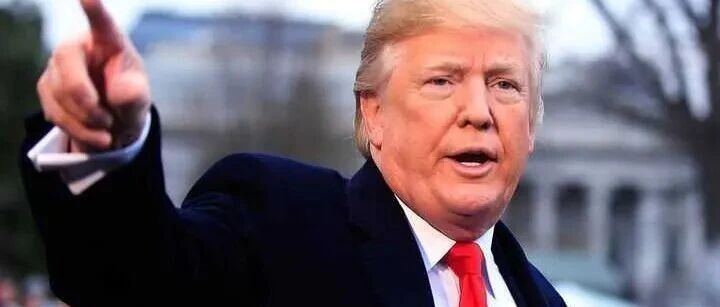
Group 1 - Iran's Supreme Leader Khamenei stated that the country will "never yield to the enemy" amid U.S. military actions against Venezuela, emphasizing the need for resistance against foreign influence [1] - Khamenei expressed confidence that with public support, Iran will force its enemies to submit [1] - The U.S. launched a large-scale military operation in Venezuela, capturing President Maduro and his wife, with President Trump declaring that the U.S. will "manage" Venezuela until a "safe" transition occurs [1] Group 2 - Protests in two provinces of Iran have resulted in at least 3 deaths and 13 injuries, with Khamenei condemning the use of protests to undermine national security [2] - Since the U.S. unilaterally withdrew from the Iran nuclear deal in 2018, Iran has faced multiple rounds of severe sanctions, leading to currency devaluation and significant inflation, severely impacting economic development [2] - The Iranian government is holding emergency meetings to address recent issues related to exchange rates, trade, and public welfare [2]
伊朗面临40多年来最严峻挑战
Xin Lang Cai Jing· 2026-01-03 03:48
Core Viewpoint - Iran is facing its most severe challenges in over 40 years, with internal unrest and external threats from the US and Israel, leading to increased public dissatisfaction and potential instability [1] Internal Challenges - The Iranian government is experiencing significant internal turmoil, with rising public discontent and protests against the regime [1] - The Iranian Central Bank governor was swiftly replaced at the end of the year, indicating a response to economic pressures [1] - President Ebrahim Raisi emphasized that the livelihood of the people is a top priority, indicating the government's intent to address public grievances [1] External Threats - The US and Israel are closely monitoring the situation in Iran, with potential military threats and psychological operations aimed at destabilizing the regime [1] - Iran's leadership perceives US interference in its internal affairs as detrimental to regional stability and US interests [1] Historical Context - Iran has been under sanctions for decades, which has contributed to the accumulation of internal dissatisfaction among its populace [1] - The article draws parallels to the situation in Syria, suggesting that if Iran's situation deteriorates, external actors like Israel may take decisive action against it [1]
局势变天?俄罗斯彻底放弃幻想,普京正式表态,给中国送上大礼
Sou Hu Cai Jing· 2025-05-28 03:08
Group 1 - The European Union is discussing new sanctions against Russia, particularly targeting the energy sector, with the 18th round of sanctions including measures on Russian oil and restrictions on the "shadow fleet" of commercial vessels used to evade sanctions [1] - The EU's 17th round of sanctions has been officially passed, which includes a ban on Russian vessels docking at EU ports and halting related maritime services [1] - A meeting of EU foreign and defense ministers was held to strengthen support for Ukraine and enhance European defense capabilities, reaffirming commitment to Ukraine during discussions with Ukrainian Foreign Minister Kuleba [1] Group 2 - The U.S. Secretary of State criticized Europe for allegedly hindering peace efforts in the Russia-Ukraine conflict, suggesting that European nations are obstructing U.S. mediation [2] - Analysts believe that due to significant differences in positions among involved parties, a fundamental solution to the conflict is unlikely in the short term, with ongoing intense negotiations expected [2] - The recent U.S.-Ukraine mineral agreement and pressure on Russia have provided Ukraine with renewed hope for collaboration with the U.S. to achieve a ceasefire [2] Group 3 - Russia's Deputy Foreign Minister stated that Moscow is maintaining regular dialogue with Beijing regarding the Ukraine issue, indicating China's balanced position and willingness to mediate [4] - A recent meeting between Russia and China resulted in the signing of over 20 cooperation agreements across various fields, showcasing significant international collaboration [4] - The close cooperation between Russia and China is seen as a means for Russia to enhance its ability to respond to Western pressures, indicating a shift in the balance of power in the Russia-Ukraine situation [6]