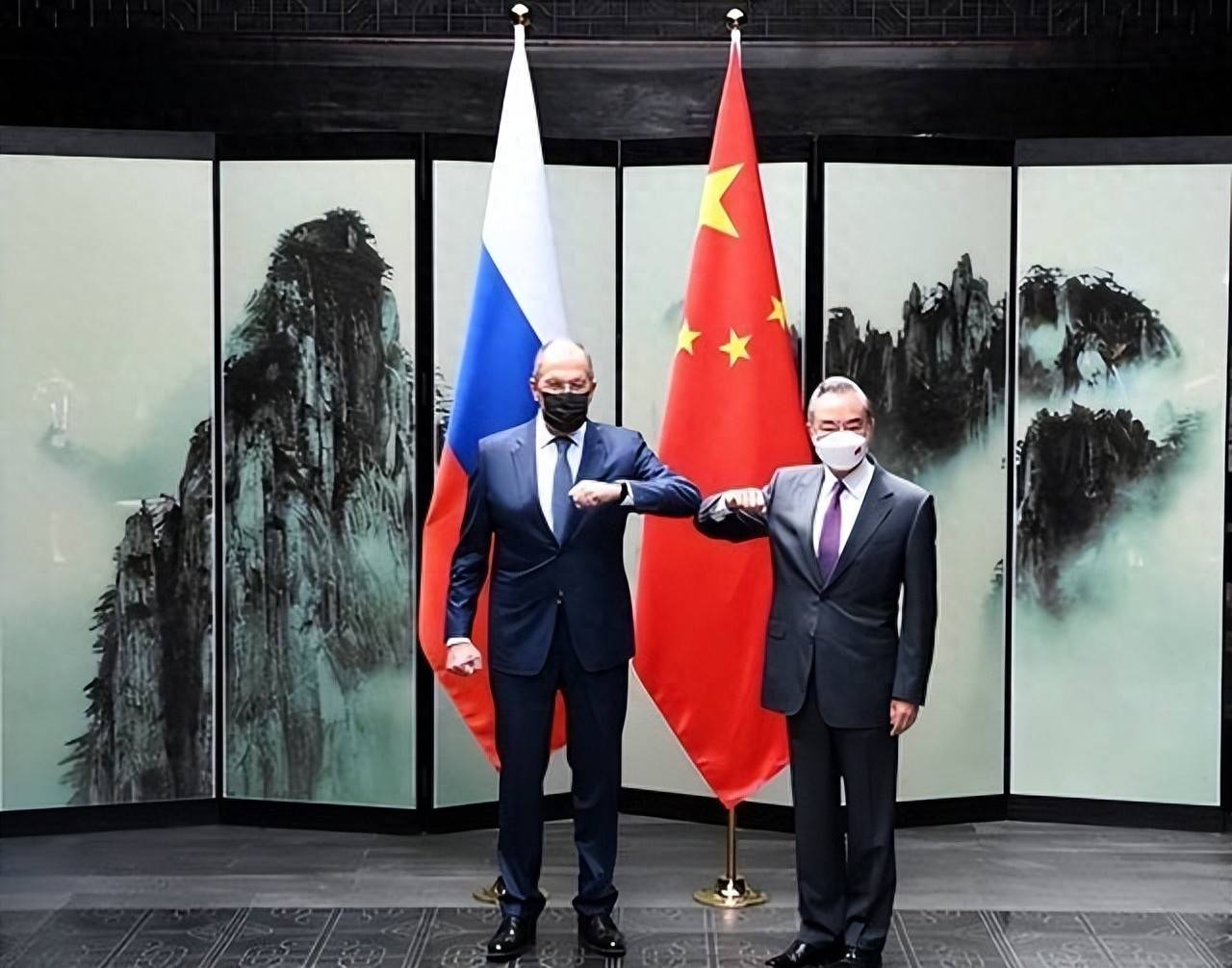
中俄合作

Search documents
俄驻华大使:今年两国贸易或至2200亿美元,农业领域潜力巨大
2 1 Shi Ji Jing Ji Bao Dao· 2025-12-23 13:05
Core Viewpoint - The comprehensive strategic partnership between China and Russia is maintaining a high level of operation, showcasing strong resilience and vitality in practical cooperation [2] Economic Cooperation - China has been Russia's largest trading partner for 15 consecutive years, with bilateral trade growing by nearly $100 billion over the past three years, reaching a projected $245 billion in 2024 [3] - As of November this year, bilateral trade has surpassed $203 billion, with analysts predicting it could reach $220 billion by the end of the year [3] - The two countries are currently working on over 80 large joint projects across key industries such as automotive manufacturing, steel, non-ferrous metallurgy, chemicals, and wood processing [3] Energy Cooperation - Energy cooperation is the most significant area of practical collaboration, with Russia being China's largest supplier of oil and natural gas, meeting about 20% of China's coal import needs [4] - Ongoing discussions are taking place regarding a new gas pipeline through Mongolia, which will secure China's gas supply for decades [4] - Collaboration in decarbonization and renewable energy is expected to become a growth point in the energy sector [4] Agricultural Cooperation - The agricultural sector presents significant potential for cooperation, with Russian high-quality green agricultural products gaining popularity in the Chinese market [5] - In 2025, Russian grain exports to China are expected to grow by 10%, with total agricultural trade increasing by 14% [5] Technological Collaboration - Cooperation in science and high technology is steadily deepening, with joint research in fields such as medicine, biotechnology, ecology, and new materials [5] - Collaborative projects include the construction of a heavy ion superconducting synchrotron accelerator at the Dubna Joint Institute for Nuclear Research [5] Cultural Exchange - The two countries will host the "Russia-China Education Year" in 2026-2027, with approximately 56,000 Chinese students currently studying in Russian universities [5] - The number of Chinese citizens applying for study visas to Russia is expected to increase by 25% in 2025 [5]

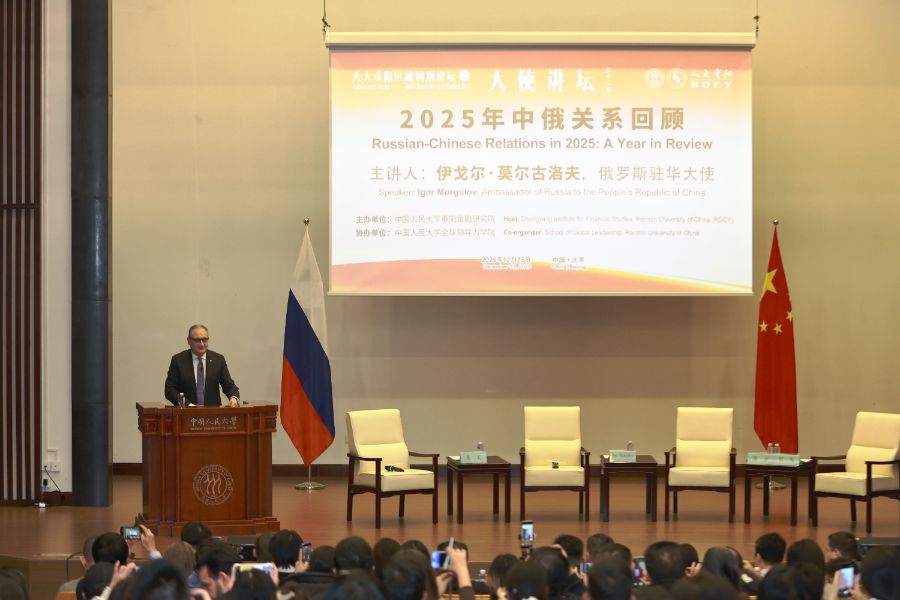
专访丨期待深化同中国多领域合作——访俄罗斯犹太自治州州长科斯秋克
Xin Hua Wang· 2025-12-21 01:32
Group 1 - The governor of the Jewish Autonomous Oblast, Kostiuk, expressed the region's desire to deepen cooperation with China in logistics, agriculture, minerals, and tourism, welcoming Chinese tourists to experience its unique culture and beautiful scenery [2][4] - The Jewish Autonomous Oblast is one of 11 administrative entities in the Russian Far East Federal District and is the only autonomous oblast in Russia, located across the Amur River from China's Heilongjiang Province [2] - The cross-river Tongjiang–Nizhneleninskoye railway bridge has significantly boosted the region's logistics industry, with current annual import and export cargo volume exceeding 5 million tons, and a government target to increase this to over 20 million tons in the future [4] Group 2 - The region plans to construct a new road bridge across the Amur River between Bashkovoye and Jiajin County in Heilongjiang Province to further enhance its logistics capabilities [4] - The Jewish Autonomous Oblast is rich in mineral resources, with Kostiuk stating that it possesses nearly the entire periodic table of elements, and some mineral processing enterprises have established close cooperation with China to develop a metallurgy industry cluster [4] - In agriculture, the region has signed cooperation agreements with Chinese companies for the cultivation of strawberries and blueberries, as well as the processing of agricultural products [4] Group 3 - Kostiuk closely monitors the development of Chinese provinces like Heilongjiang, learning from their meetings, measures, and decisions [6] - The governor attended the 34th Harbin International Economic and Trade Fair in May, noting the impressive changes and prosperity in Harbin after a nine-year absence [6] - Kostiuk looks forward to more Chinese tourists visiting the Jewish Autonomous Oblast, promoting ecological tourism and activities such as bird watching and fishing due to the region's rich water resources [6]
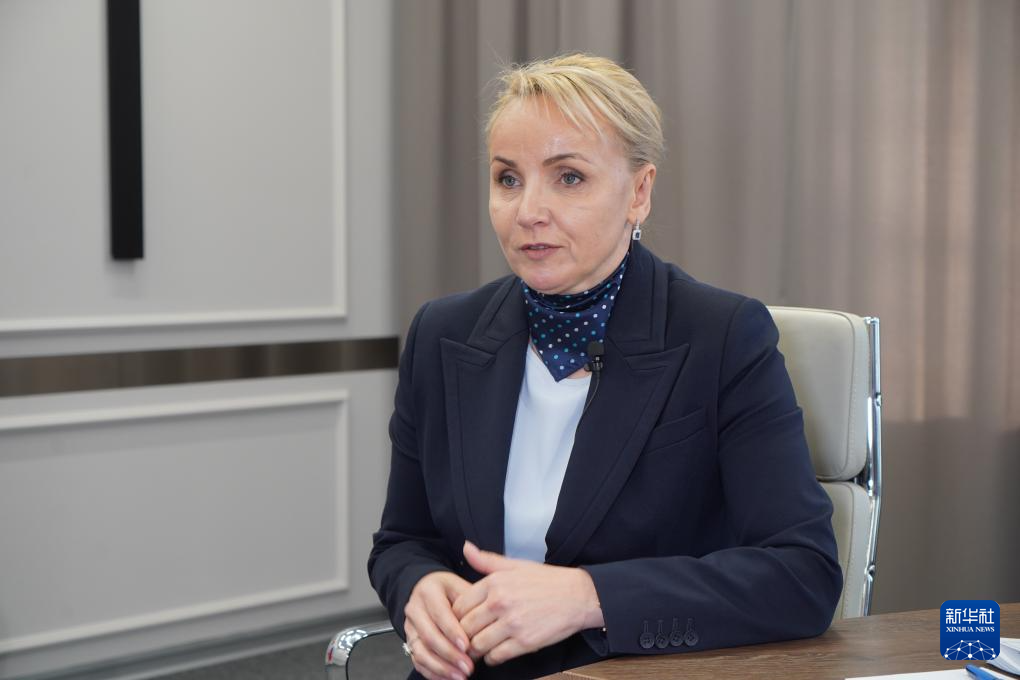
财政亮红灯,能源遭重创,最后的安泰也坠毁,普京想让中国接盘?
Sou Hu Cai Jing· 2025-12-11 13:39
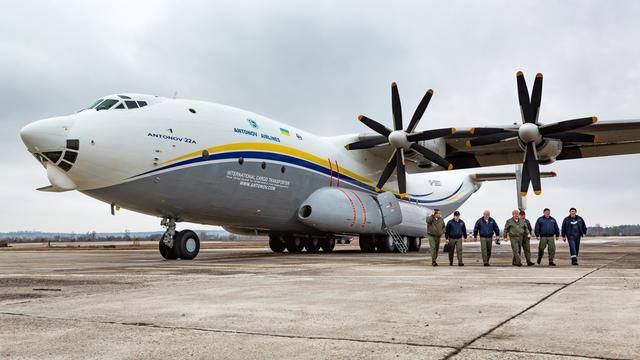
Group 1 - Russia is facing a severe fiscal crisis, with the budget deficit reaching critical levels and the national wealth fund at a historical low, prompting the government to sell gold reserves accumulated since 2006 [3][5][13] - Oil and gas revenues have plummeted by 20%, while military expenditures account for 30% of the budget, the highest since the Soviet era, leading to increased reliance on money printing and tax hikes to cover the budget shortfall [7][9][11] - The government plans to raise the value-added tax to 22% and increase income tax rates, but economists warn that this could lead to a vicious cycle of economic contraction and further tax increases [9][11] Group 2 - Russian energy facilities have been targeted by drone strikes, resulting in significant disruptions, including the complete shutdown of the Syzran refinery, which processes 90,000 barrels of oil daily [15][16][18] - At least 17 major refineries have been damaged or destroyed, impacting both military fuel supplies and export capabilities, while domestic oil supply shortages are driving up inflation [18][25] - The ongoing conflict has severely strained Russia's economy, with daily war expenditures reaching 45.3 billion rubles, necessitating the liquidation of gold reserves to support these costs [15][26] Group 3 - The An-22 transport aircraft, a symbol of Soviet aviation, has been lost in a crash during a test flight, marking the end of efforts to revive its fleet [26][27] - The An-22 was a significant military asset during the Cold War, capable of transporting heavy equipment and troops, but its operational challenges led to its decline [30][43] - The aircraft's retirement reflects broader issues within Russia's military logistics and modernization efforts [45] Group 4 - In light of internal and external pressures, Russia is seeking closer cooperation with China, particularly in energy supply and infrastructure development [46][54] - However, China is cautious and emphasizes mutual benefit rather than a one-sided support system, as it has diversified its energy partnerships globally [47][49] - The potential for deeper cooperation exists in various sectors, but challenges such as infrastructure compatibility and talent shortages need to be addressed for effective collaboration [53][56]
李鸿忠出席第六届中俄中小企业实业论坛开幕式
Xin Hua She· 2025-11-24 08:50
Core Points - The speech by Li Hongzhong emphasizes the positive momentum in China-Russia cooperation under the strategic guidance of Presidents Xi Jinping and Vladimir Putin, highlighting the pragmatic and progressive nature of the comprehensive strategic partnership [1] - The Chinese Communist Party's 20th Central Committee has outlined a top-level design for China's economic and social development during the 14th Five-Year Plan, focusing on high-quality development and high-level opening-up [1] - Both countries aim to optimize cooperation mechanisms to facilitate collaboration between small and medium-sized enterprises (SMEs), leveraging the China-Russia Friendship, Peace, and Development Committee as a key platform for bilateral exchanges [1] Summary by Sections Economic Cooperation - China is committed to prioritizing economic construction and advancing high-quality development while sharing development opportunities with countries including Russia [1] - The Russian side acknowledges the unprecedented height of China-Russia relations and the vast potential for cooperation across various fields [1] Forum Significance - The forum serves as an effective platform for SMEs from both countries to connect and collaborate, enhancing bilateral economic ties [2] - The Russian side is closely monitoring the 14th Five-Year Plan proposed by the Chinese Communist Party, expressing willingness to work together to bring more development benefits to both nations [1][2]
我省与俄罗斯沃洛格达州签署建立友好省州关系协议书
Shan Xi Ri Bao· 2025-11-23 23:02
Core Points - The signing of a friendly province-state relationship agreement between Shaanxi Province and Vologda Oblast, Russia, took place in Xi'an on November 23 [1] - Shaanxi's Governor Zhao Gang emphasized the importance of enhancing communication and cooperation to create more benefits for the people of both regions [1] - The cooperation is expected to strengthen cultural exchanges and mutual benefits, with a focus on tourism and sports [2] Group 1 - The agreement aims to deepen the strategic partnership between China and Russia, highlighting the high-level operation of the comprehensive strategic cooperative partnership [1] - Shaanxi Province is committed to accelerating its reform and opening-up efforts, aligning with the directives from the 20th National Congress of the Communist Party of China [1] - The signing is seen as a significant opportunity to leverage the existing cooperation foundation and explore the potential for further collaboration [1] Group 2 - Vologda Oblast's Governor Filimonov expressed confidence in the prospects for cooperation and the promotion of win-win development [2] - During the event, a memorandum of understanding was signed regarding cooperation in the fields of culture, tourism, and sports [2] - Key officials from Shaanxi Province, including Vice Governor Li Jun and Secretary-General Lv Laisheng, participated in the signing ceremony [3]
李强会见俄罗斯总理
Yang Shi Wang· 2025-11-18 11:53
Core Viewpoint - The meeting between Chinese Premier Li Qiang and Russian Prime Minister Mishustin emphasizes the commitment to deepen cooperation in various sectors, including investment, energy, agriculture, and cultural exchanges, following the recent high-level discussions between the two countries' leaders [1] Group 1: Bilateral Cooperation - The recent meeting focused on implementing the important consensus reached by Presidents Xi Jinping and Vladimir Putin [1] - China expresses willingness to enhance communication and coordination with Russia to strengthen cooperation in key areas [1] - The Shanghai Cooperation Organization (SCO) summit in September yielded significant results, and China aims to work closely with Russia to realize the development plans outlined by the leaders [1] Group 2: Strategic Partnership - The current comprehensive strategic partnership between Russia and China is at a high level, according to Mishustin [1] - Russia is open to further enhancing dialogue and exchanges at all levels with China [1] - There is a mutual interest in deepening economic and cultural cooperation within the framework of the SCO [1]
俄罗斯也想入局稀土!普京下了死命令,政府一个月内必须想出办法
Sou Hu Cai Jing· 2025-11-07 16:13
Core Insights - The article discusses Russia's strategic shift towards self-sufficiency in rare earth elements (REE) as a response to global market dynamics and security concerns [2][9][31] Group 1: Rare Earth Elements Strategy - Putin's directive for a roadmap on rare earth development emphasizes the need for Russia to control its own resources rather than relying on imports [2][4] - Russia possesses over 28 million tons of confirmed rare earth reserves, ranking among the top five globally, yet processes less than 1% of the world's rare earth materials domestically [4][9] - The global demand for rare earths is growing at a rate of 6% annually, making them crucial for high-tech manufacturing and defense industries [9][31] Group 2: Security and Defense Policy - Alongside the rare earth initiative, Putin revised nuclear deterrence policies, asserting the right to use nuclear weapons if Russia or its allies face aggression [12][15] - The ongoing conflict in Ukraine and NATO's expansion have heightened Russia's security concerns, prompting a focus on both nuclear deterrence and resource independence [15][17] Group 3: Economic Independence and Cooperation - Russia aims to maintain economic independence while fostering equal partnerships, particularly with China, rather than becoming overly reliant on any single country [20][27] - The increase in bilateral trade with China, projected to reach $244.82 billion in 2024, reflects a mutual benefit rather than dependency [20][29] - Russia's approach includes diversifying partnerships with countries like India and Turkey, showcasing a strategy of not putting all economic interests in one basket [24][29]
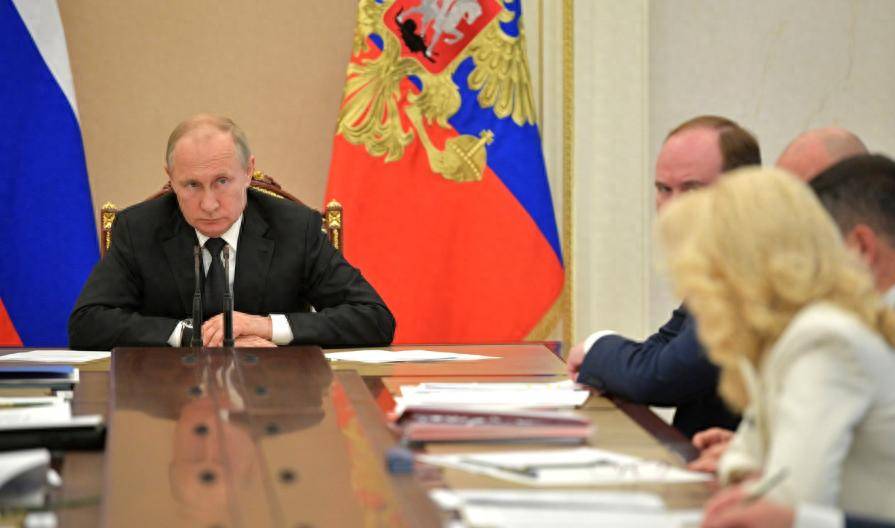
中美刚谈完,不到24小时,俄罗斯总理宣布访华,普京在等中方电话
Sou Hu Cai Jing· 2025-11-06 05:25
Core Points - The recent meeting between US and Chinese leaders in Busan has led to a temporary easing of tensions, with both sides discussing various topics including trade and technology [1][3] - Following this meeting, Russian Prime Minister Mishustin announced a visit to China, indicating Russia's intent to strengthen ties with China amidst changing US-China relations [3][4] - Russia's quick response to the US-China meeting signals its strategic positioning, emphasizing the importance of its relationship with China as a counterbalance to Western pressures [4][6] Group 1 - The US announced the cancellation of the "fentanyl tariffs" and a one-year suspension of the 301 investigation into China's logistics and shipbuilding industries, while China reciprocated with a suspension of countermeasures [1][3] - The meeting was characterized as a "twelve out of ten success" by Trump, highlighting China's significance as the largest partner for the US [1][3] - Despite the positive signals, both countries recognize that the competition remains, and the current thaw is merely a temporary ceasefire rather than a fundamental resolution [3][4] Group 2 - Russia's trade with China continues to grow, with China being Russia's largest economic partner, despite external pressures [3][4] - The Kremlin's spokesperson indicated that while there are no immediate plans for a call between Putin and Chinese leaders, they are prepared to arrange one if necessary, showing Russia's proactive stance [6][7] - The strategic partnership between China and Russia is based on mutual respect and non-interference, which remains strong regardless of the US-China dynamics [7][9] Group 3 - The current international landscape is characterized by stagnation in US-Russia relations, energy crises in Europe, and renewed tensions in the Middle East, while China's economy continues to grow [9] - Both US-China dialogues and China-Russia cooperation contribute to global stability and certainty in a turbulent geopolitical environment [9]
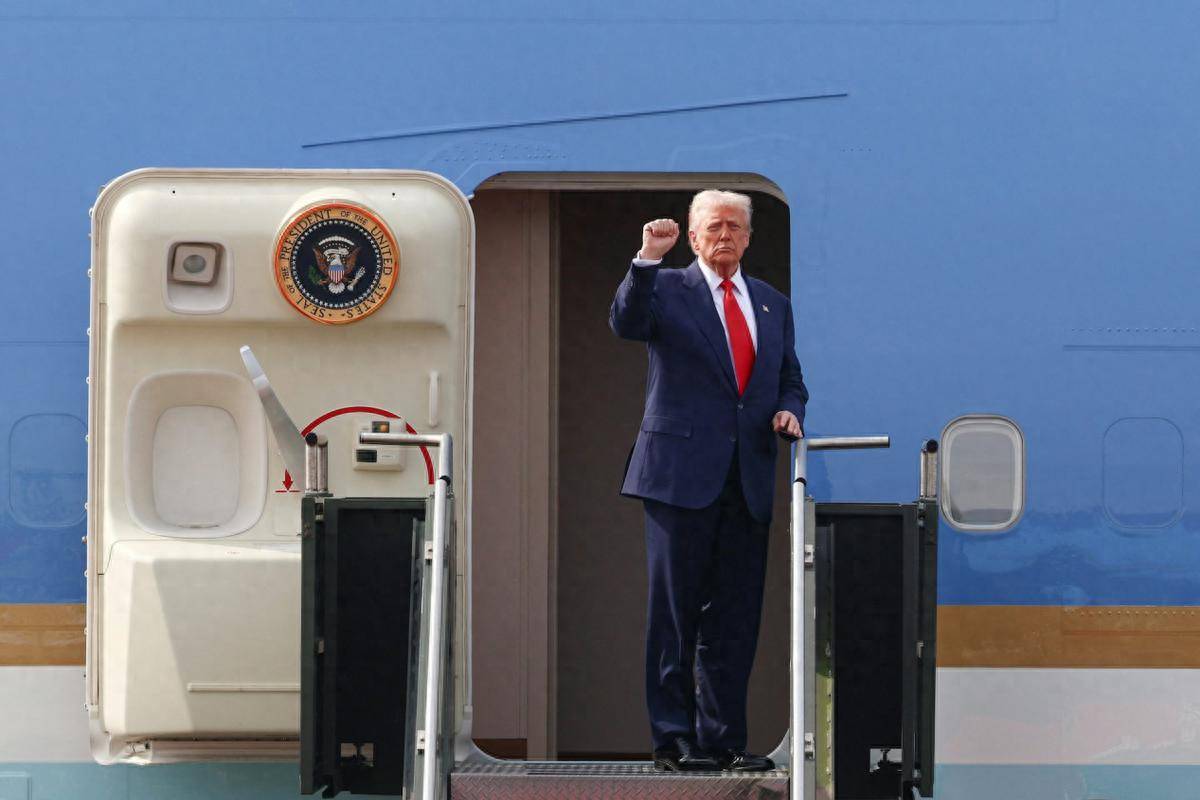
欧盟每年还买俄罗斯几百亿能源,却借俄乌战争,制裁12家中企
Sou Hu Cai Jing· 2025-11-02 07:11
Group 1 - The European Union (EU) has imposed its 19th round of sanctions against Russia, which unexpectedly includes 12 Chinese companies, raising questions about the rationale behind this decision [1][4] - The sanctions against these Chinese companies are based on vague accusations such as "helping Russia's shadow fleet transport energy," without providing concrete evidence [4][5] - The sanctions have led to significant disruptions for the affected Chinese companies, including contract terminations and financial losses, prompting the Chinese government to initiate protective measures for these businesses [5][10] Group 2 - The impact of the sanctions on Russia appears minimal, as the country has diversified its trade away from reliance on Western currencies, with over 55% of transactions expected to be settled in RMB by mid-2024 [6][8] - The EU's actions are contradictory, as it continues to import significant amounts of Russian energy while simultaneously sanctioning Chinese companies, highlighting a complex interdependence [7][8] - The ongoing trade tensions between the EU and China are likely to persist, but the EU's long-term reliance on Chinese resources for its green transition and digital development remains critical [10][12] Group 3 - The sanctions reflect a broader geopolitical strategy, potentially influenced by the United States, aiming to align EU actions with American interests while undermining Chinese enterprises [4][10] - The EU's inconsistent approach to trade and sanctions has led to negative consequences for its own industries, as seen in the automotive and renewable energy sectors [10][12] - The situation underscores the evolving dynamics of international trade, where China is no longer a passive player and can respond effectively to sanctions through its own strategic measures [12]

中方提出帮俄实现振兴,普京:满足中国能源需求,帮中企取代西企
Sou Hu Cai Jing· 2025-09-26 10:56
Core Insights - The cooperation between China and Russia has strengthened significantly since the onset of the Russia-Ukraine conflict, with China emerging as a key partner for Russia's economic recovery [2][10] - In 2023, bilateral trade between China and Russia reached over $200 billion, with China's exports to Russia increasing by 46.9% [6][15] - The partnership is characterized by energy trade, infrastructure investments, and the replacement of Western companies by Chinese firms in the Russian market [5][12] Energy Cooperation - Russia has committed to meeting China's growing energy demands, with oil exports to China reaching 107 million tons in 2023, a significant increase from the previous year [2][8] - The energy trade constitutes over 70% of Russia's exports to China, with ongoing projects to enhance gas supply through new pipelines [6][8] - A roadmap for energy cooperation has been established, aiming to increase oil trade to 30 million tons by 2025 and gas imports exceeding 100 billion cubic meters [8][12] Economic Impact - China's investments in Russia, particularly in infrastructure projects, have contributed to job creation and economic revitalization in the Russian Far East [2][15] - The Russian economy is showing signs of recovery, with GDP rebounding by 3.6% in 2023 after a decline in 2022 [8][11] - The partnership has led to a diversification of China's energy imports, reducing reliance on Middle Eastern sources [9][10] Trade Dynamics - The trade relationship has evolved to include a significant increase in Chinese exports of automobiles and technology, filling the void left by Western companies [5][6] - By 2024, trade is projected to continue growing, with a target of $244.8 billion, despite some fluctuations due to global oil price instability [6][12] - The use of local currencies for trade settlements has surpassed 95%, allowing both countries to circumvent Western sanctions [10][11] Future Prospects - Long-term trade goals aim for $800 billion by 2030, supported by ongoing infrastructure and energy projects [12][15] - The partnership is expected to enhance regional stability and economic cooperation, with both countries benefiting from shared resources and technology [15][16] - The collaboration reflects a pragmatic approach to international relations, focusing on mutual benefits rather than geopolitical tensions [10][16]