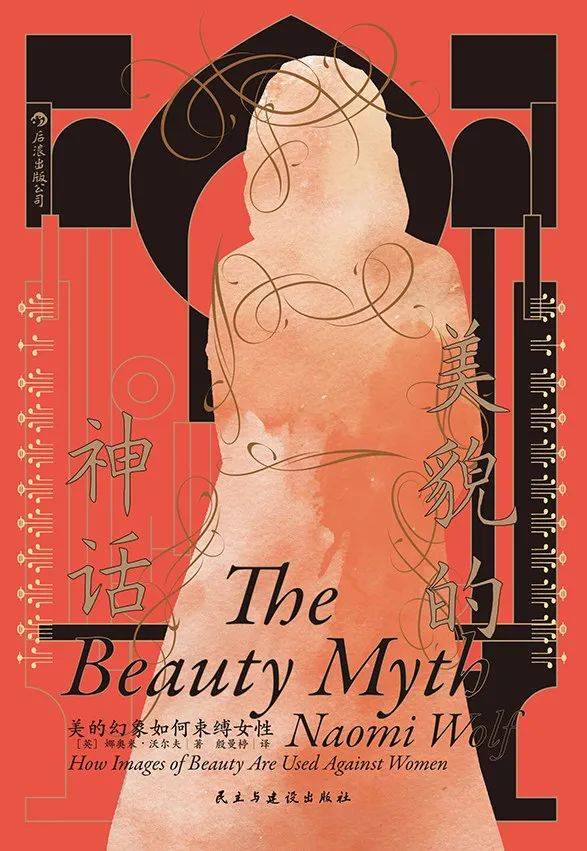
美貌神话

Search documents
美貌陷阱:为何健康女性被定义为“病态”丨元旦书摘
Di Yi Cai Jing· 2026-01-02 06:37
Core Argument - The article discusses the enduring societal pressures on women regarding beauty standards, highlighting how these pressures have evolved but remain deeply ingrained in culture and medicine [1]. Group 1: Historical Context - The Victorian era medical practices categorized natural female experiences such as menstruation and pregnancy as diseases, reflecting a historical trend of pathologizing women's health [2][3]. - The emergence of gynecology in the Victorian era transformed moral judgments about women into biomedical classifications, perpetuating a cycle of oppression [3][4]. Group 2: Modern Implications - The reclassification of healthy women as diseased or ugly continues unabated, supported by societal norms and the medical industry, which profits from these classifications [4][5]. - The concept of beauty is intertwined with health, where societal pressures compel women to conform to beauty standards, often leading to a distorted self-image [5][9]. Group 3: Media and Consumerism - The beauty industry, including plastic surgeons and cosmetic brands, redefines health in terms of beauty, promoting the idea that physical imperfections are medical issues that require treatment [9][10]. - Advertising and media perpetuate the notion that normal female bodies are flawed, creating a market for products that promise to correct these perceived deficiencies [9][10].

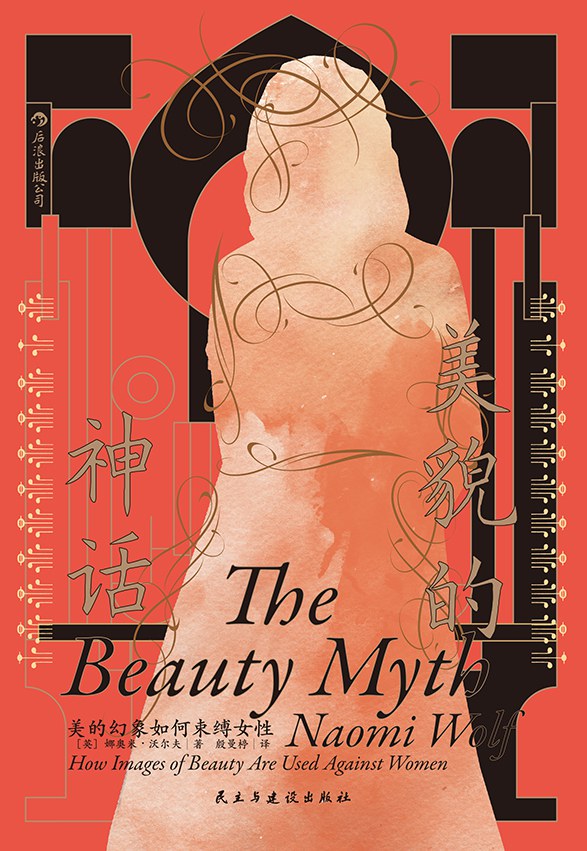
“美貌神话”的陷阱
Hu Xiu· 2025-08-01 06:37
Core Viewpoint - The article discusses the pervasive issue of beauty standards and body image anxiety faced by women, highlighting the historical and ongoing societal pressures that dictate women's appearances and the implications of these standards on their rights and identities [2][6][17]. Group 1: Beauty Standards and Societal Pressures - The magazine's focus on Princess Amalia's body at a young age sparked criticism, reflecting the harmful nature of public commentary on women's bodies [1][2]. - Body and appearance anxieties are prevalent globally, influenced by extreme aesthetic definitions that vary by culture, such as the Western ideal of health and the Chinese preference for "white, young, and thin" [2][7]. - Naomi Wolf's "The Beauty Myth" argues that societal pressures create a perpetual state of anxiety for women regarding their appearance, framing beauty as an obligation rather than a personal choice [3][5][12]. Group 2: Impact on Women's Rights and Identity - Despite advancements in women's rights, narrow definitions of beauty continue to restrict women's perceptions and life choices, often leading to a false sense of independence [8][17]. - The beauty industry and societal expectations create a "beauty currency," where women's worth is often tied to their appearance, impacting their opportunities in various fields, including the workplace [12][17]. - The article emphasizes that the pursuit of beauty can distract women from seeking true equality, as they become preoccupied with conforming to societal standards [17][18]. Group 3: Historical Context and Evolution - The concept of the "beauty myth" has evolved over time, with technological advancements reinforcing idealized images of women, leading to increased mental health issues related to body image [11][14]. - Historical narratives show that as women gain rights, new forms of societal control emerge, often manifesting through beauty standards that demand women to fulfill multiple roles [17][19]. - The article suggests that the ongoing pressure to conform to beauty standards is a form of social control that undermines women's autonomy and reinforces patriarchal structures [16][17].