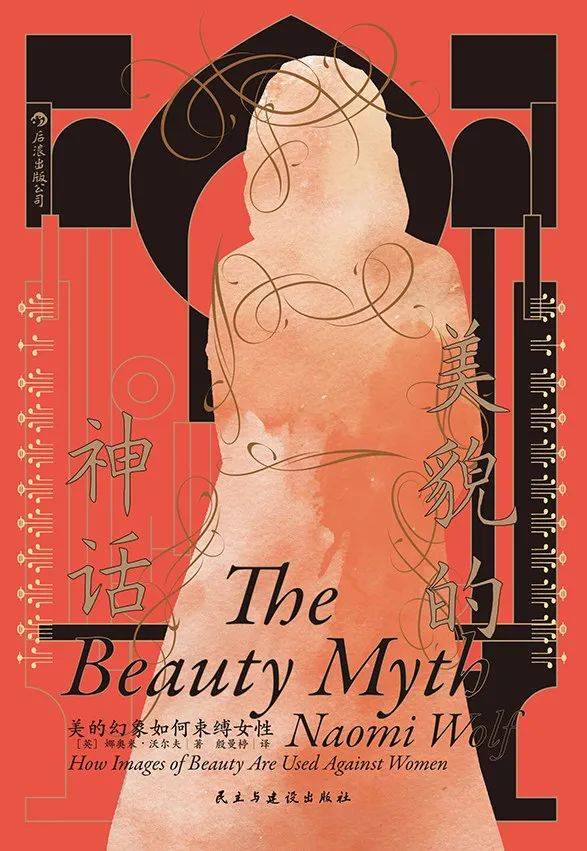
《美貌的神话:美的幻象如何束缚女性》

Search documents
第一财经年度人文图书|寻找“我们”共同的故事
Di Yi Cai Jing· 2026-01-09 03:09
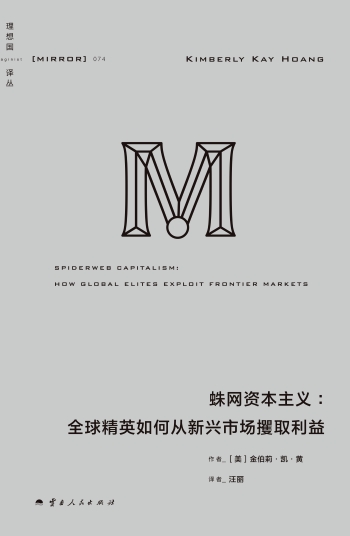
Group 1 - The core idea of the articles revolves around the voices of marginalized groups, particularly vocational school students and female delivery riders, highlighting their struggles and resilience in society [1][22][39] - The book "I Am a Vocational Student" by Lu Qianyi captures the narratives of vocational school students, emphasizing their often overlooked experiences and the impact of their backgrounds on their life choices [1][39] - "Running Takeout: A Female Rider's World" by Wang Wan explores the challenges faced by female delivery riders, detailing their physical and emotional struggles in a male-dominated industry [22][23] Group 2 - The concept of "Spider Web Capitalism" introduced by Kimberly Kay Huang illustrates the informal networks that allow wealthy individuals to exploit emerging markets, raising concerns about global inequality [9][10] - "The Reconstruction of Civilization" by Conrad H. J. Yalow discusses Germany's post-war societal transformation, focusing on how the country reconciled with its past and built a more inclusive public society [12][14] - Neil MacGregor's "Gods: 40,000 Years of People, Objects, and Beliefs" examines the role of faith in shaping human identity and community, addressing both major global religions and localized belief systems [16][18]

“美貌神话”的陷阱
Hu Xiu· 2025-08-01 06:37
Core Viewpoint - The article discusses the pervasive issue of beauty standards and body image anxiety faced by women, highlighting the historical and ongoing societal pressures that dictate women's appearances and the implications of these standards on their rights and identities [2][6][17]. Group 1: Beauty Standards and Societal Pressures - The magazine's focus on Princess Amalia's body at a young age sparked criticism, reflecting the harmful nature of public commentary on women's bodies [1][2]. - Body and appearance anxieties are prevalent globally, influenced by extreme aesthetic definitions that vary by culture, such as the Western ideal of health and the Chinese preference for "white, young, and thin" [2][7]. - Naomi Wolf's "The Beauty Myth" argues that societal pressures create a perpetual state of anxiety for women regarding their appearance, framing beauty as an obligation rather than a personal choice [3][5][12]. Group 2: Impact on Women's Rights and Identity - Despite advancements in women's rights, narrow definitions of beauty continue to restrict women's perceptions and life choices, often leading to a false sense of independence [8][17]. - The beauty industry and societal expectations create a "beauty currency," where women's worth is often tied to their appearance, impacting their opportunities in various fields, including the workplace [12][17]. - The article emphasizes that the pursuit of beauty can distract women from seeking true equality, as they become preoccupied with conforming to societal standards [17][18]. Group 3: Historical Context and Evolution - The concept of the "beauty myth" has evolved over time, with technological advancements reinforcing idealized images of women, leading to increased mental health issues related to body image [11][14]. - Historical narratives show that as women gain rights, new forms of societal control emerge, often manifesting through beauty standards that demand women to fulfill multiple roles [17][19]. - The article suggests that the ongoing pressure to conform to beauty standards is a form of social control that undermines women's autonomy and reinforces patriarchal structures [16][17].