
群众点题机制

Search documents
以百姓之心为心
Guang Xi Ri Bao· 2026-01-17 03:37
Group 1 - The core focus of the news is the ongoing efforts by the Guangxi disciplinary inspection and supervision authorities to address corruption and improve public services, particularly in relation to social security funds and property registration issues [1][3][9] - In 2025, the Guangxi disciplinary inspection and supervision agencies have initiated a concentrated effort to rectify corruption and misconduct affecting the public, resulting in 21,201 cases filed and 16,92 individuals detained [1][3] - The implementation of the "群众点题" (public issue identification) mechanism has been pivotal in addressing local grievances, leading to the resolution of 30.12 million housing registration issues and the successful handling of 15 public welfare projects [3][4][9] Group 2 - The focus on resolving property registration difficulties has led to significant improvements, with 8,148 housing registration issues resolved in Hezhou City alone, benefiting over 40,000 residents [2][3] - The Guangxi authorities are committed to addressing various public welfare issues, including social assistance, property services, and wage arrears for workers, through a systematic approach that emphasizes accountability and collaboration among different departments [4][7][9] - The disciplinary inspection and supervision agencies have established a comprehensive framework for addressing systemic issues, including the establishment of a risk prevention mechanism for social insurance fund management [10]
压实责任解决急难愁盼问题从群众点题到群众点赞
Zhong Yang Ji Wei Guo Jia Jian Wei Wang Zhan· 2025-11-21 00:34
Group 1 - The core viewpoint emphasizes the importance of addressing public safety concerns related to gas usage in night markets, highlighting the proactive measures taken by local authorities to ensure compliance and safety [1] - The Li Cang District has conducted 17 rounds of inspections across over 1,500 businesses, identifying and rectifying 117 safety hazards and addressing 49 cases of illegal gas usage [1] - The approach taken by the district aligns with the directives from the 20th Central Commission for Discipline Inspection, focusing on resolving public concerns through targeted supervision and community engagement [1] Group 2 - The establishment of efficient platforms for public feedback is crucial for the effective implementation of the public issue reporting mechanism, combining online and offline methods to gather community input [2] - Various local agencies have created dedicated channels for public reporting, including setting up supervision and complaint areas, and utilizing existing government hotlines to collect opinions [2] - The emphasis is placed on the need for quick responses to public concerns, ensuring that citizens can see tangible improvements in their communities [2] Group 3 - The launch of the "2025-2026 Winter Ice and Snow Tourism Hundred-Day Action" in Heilongjiang Province aims to enhance the travel experience for tourists, with a focus on safety and comfort [3] - The Harbin municipal authorities have implemented a rapid response system for tourism-related complaints, conducting 32 inspections and issuing 6 disciplinary recommendations to address issues [3] - Collaborative efforts among various departments are highlighted, with a focus on addressing tourism-related irregularities through comprehensive oversight and joint enforcement [3] Group 4 - The importance of accountability in systemic governance is underscored, with local authorities actively pursuing issues related to property management and public resource allocation [4] - The use of big data models to identify irregularities in property service procurement has led to disciplinary actions against 15 individuals for misconduct [4] - The focus on addressing root causes of issues and establishing regulatory frameworks is aimed at preventing future problems and enhancing governance [4] Group 5 - The implementation of streamlined online services for citizens, such as the "one-stop" newborn registration process, reflects the commitment to improving public service efficiency [5] - Local authorities have responded to public feedback by enhancing service accessibility and clarity, including the establishment of consultation points in community spaces [5] - Continuous monitoring of public sentiment is emphasized, with a commitment to addressing the most pressing issues affecting community satisfaction [5]
学纪知纪明纪守纪丨把“关键小事”办到群众心坎上
Zhong Yang Ji Wei Guo Jia Jian Wei Wang Zhan· 2025-11-19 00:05
Core Viewpoint - The article emphasizes the importance of addressing "key small matters" that affect people's livelihoods, highlighting the need for effective supervision and problem-solving mechanisms to enhance public trust and satisfaction [5][18]. Group 1: Supervision Mechanisms - The article discusses the implementation of a mechanism that allows for direct engagement with the public to gather their concerns, focusing on social assistance, agricultural policies, and infrastructure development [2][15]. - It stresses the need for a problem-oriented approach, concentrating on urgent issues that the public is most concerned about, such as rural revitalization, education, healthcare, and environmental safety [4][6]. Group 2: Collaborative Efforts - The article highlights the importance of collaboration among various departments to ensure effective supervision and problem resolution, advocating for a system that integrates feedback from the public into governance [13][14]. - It mentions the necessity of establishing a closed-loop governance mechanism to address persistent issues and improve the overall effectiveness of public service [16][18]. Group 3: Focus on Public Concerns - The article underscores the significance of identifying and addressing the specific concerns of the public, using data-driven approaches to analyze and prioritize issues that require immediate attention [10][18]. - It points out that seemingly minor issues often reflect deeper systemic problems and should be treated with the same urgency as larger issues [11][20]. Group 4: Continuous Improvement - The article advocates for ongoing evaluation and adjustment of strategies to ensure that the measures taken are effective and responsive to the public's needs, emphasizing the importance of transparency and accountability in governance [12][14]. - It encourages a proactive stance in supervision, where officials actively seek out and address public grievances rather than waiting for complaints to arise [20][21].

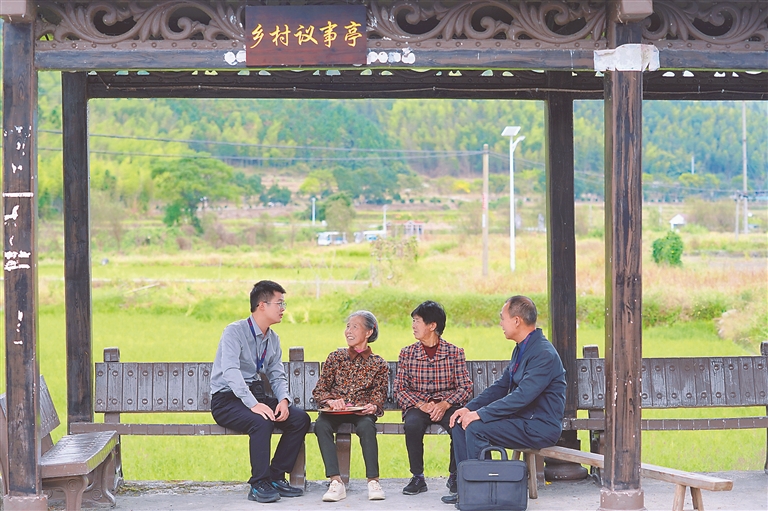
纪检监察工作高质量发展·践悟丨深化运用群众点题机制
Zhong Yang Ji Wei Guo Jia Jian Wei Wang Zhan· 2025-09-30 00:04
Core Viewpoint - The article emphasizes the importance of utilizing a "群众点题" (public topic selection) mechanism to address pressing issues in various sectors, particularly in healthcare, education, and social welfare, ensuring that the solutions are aligned with the needs and expectations of the public [6][10][14] Group 1: Focus on Key Issues - The Anhui Provincial Discipline Inspection Commission is focusing on issues related to medical insurance fund fraud and improper use of funds as key areas for supervision and rectification [3] - The Fujian Provincial Discipline Inspection Commission is addressing irregularities in the management of village collective assets, employing methods such as account reviews and community visits to enhance oversight [5] - The article highlights the need for local commissions to identify and prioritize issues that resonate with the public, ensuring that the rectification efforts are effective and impactful [6][7][9] Group 2: Mechanisms for Public Engagement - Local commissions are encouraged to adopt a "群众点题、部门答题、纪委监督、社会评价" (public topic selection, departmental response, disciplinary supervision, social evaluation) approach to ensure that public demands are met effectively [7][10] - The establishment of a systematic process for collecting, summarizing, and analyzing public feedback is crucial for identifying key issues that require attention [8][9] - The use of big data and technology is emphasized to analyze and address the issues affecting public satisfaction and welfare [15][17] Group 3: Collaborative Governance - The article discusses the importance of creating a collaborative governance framework that involves multiple stakeholders in addressing complex issues raised by the public [10][12] - A "同题共答" (same topic joint response) mechanism is proposed to tackle cross-departmental challenges, ensuring that solutions are comprehensive and well-coordinated [10][13] - The need for regular evaluations and feedback mechanisms to assess the effectiveness of rectification efforts is highlighted, ensuring that public concerns are continuously addressed [12][14]
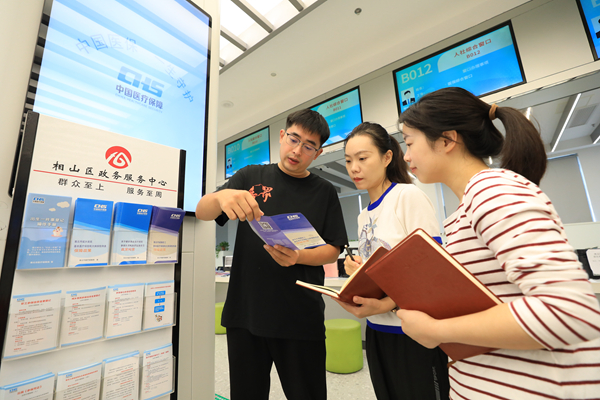
年中看进展 | 陕西深化运用群众点题机制 跟踪督办纾民困解民忧
Zhong Yang Ji Wei Guo Jia Jian Wei Wang Zhan· 2025-08-26 00:19
Core Viewpoint - The article highlights the efforts of Shaanxi Province's disciplinary inspection and supervision agencies in addressing public concerns and improving the efficiency of social welfare programs, particularly for vulnerable groups such as the severely disabled and the elderly [2][3][4]. Group 1: Social Welfare Initiatives - The Yongsu County disciplinary inspection and supervision agency identified 20 severely disabled individuals who had not received their subsidies due to delays in application submission, and facilitated their applications [2]. - The Shaanxi Provincial Commission for Discipline Inspection and Supervision has implemented a mechanism to collect public feedback on pressing issues, focusing on areas such as property registration difficulties and social welfare [3][4]. Group 2: Community Engagement and Feedback Mechanisms - Various channels for public feedback have been established, including online platforms, to gather insights on issues affecting the business environment and social services [3]. - The Baoji City disciplinary inspection agency has actively sought out issues in elderly care services, addressing 118 cases related to pension and subsidy distribution irregularities [3]. Group 3: Systematic Oversight and Improvement - The "Shan Nong Jing" platform was launched to enhance the supervision of rural collective assets, addressing issues like mismanagement and financial irregularities [5]. - The Danfeng County disciplinary inspection agency has collected 233 suggestions from representatives regarding key social issues, emphasizing the importance of addressing systemic weaknesses in governance [4]. Group 4: Local Government Initiatives - The Zizhou County disciplinary inspection agency has streamlined the rural housing approval process by establishing service windows and providing detailed guidance to applicants [6]. - The Hanzhong City disciplinary inspection agency has addressed safety concerns related to aging gas pipelines, overseeing the rectification of 525 hazards and the replacement of 133.29 kilometers of old pipelines [5].