
老年护理服务能力提升

Search documents
医保+机构+社区联动 “15分钟医养服务圈”让养老更安心
Yang Shi Xin Wen Ke Hu Duan· 2026-01-06 14:39
Core Viewpoint - China's aging population is rapidly increasing, with 310 million people aged 60 and above, accounting for 22% of the total population, indicating a shift towards a moderately aging society [1]. Group 1: Aging Population Statistics - The population aged 65 and above is 220 million, representing 15.6% of the total population [1]. - The need for elderly care services is becoming increasingly urgent, especially for those aged 80 and above and those with disabilities [1]. Group 2: Challenges in Elderly Care - Many younger caregivers, like Ms. Zhang from Beijing, find themselves overwhelmed with the responsibility of caring for elderly parents, leaving little time for personal interests [3]. - Families are hesitant to hire live-in caregivers due to concerns about trust and the financial burden of caregiver fees, which range from 5,000 to 7,000 yuan per month [3]. Group 3: Government Initiatives - The National Health Commission and other departments have launched the "Elderly Care Service Capacity Improvement Action Plan" to enhance care for the elderly, particularly those who are high-risk or disabled [4]. - The plan encourages hospitals to establish geriatric departments and promotes the development of large-scale, chain nursing homes [4]. Group 4: Community and Home-Based Care - There is a push to extend elderly care services into communities and homes, creating a comprehensive care system that includes acute care, rehabilitation, and palliative care [6]. - The "15-minute elderly care service circle" initiative aims to provide elderly individuals with access to care services within a 15-minute radius from their homes [7]. Group 5: Local Government Efforts - In Guangzhou, a comprehensive assessment method for elderly care needs has been implemented, allowing community nursing stations to provide essential care and medical services [9]. - In Zibo, Shandong Province, local authorities have integrated medical and elderly care resources to offer tiered services for vulnerable elderly populations [9].

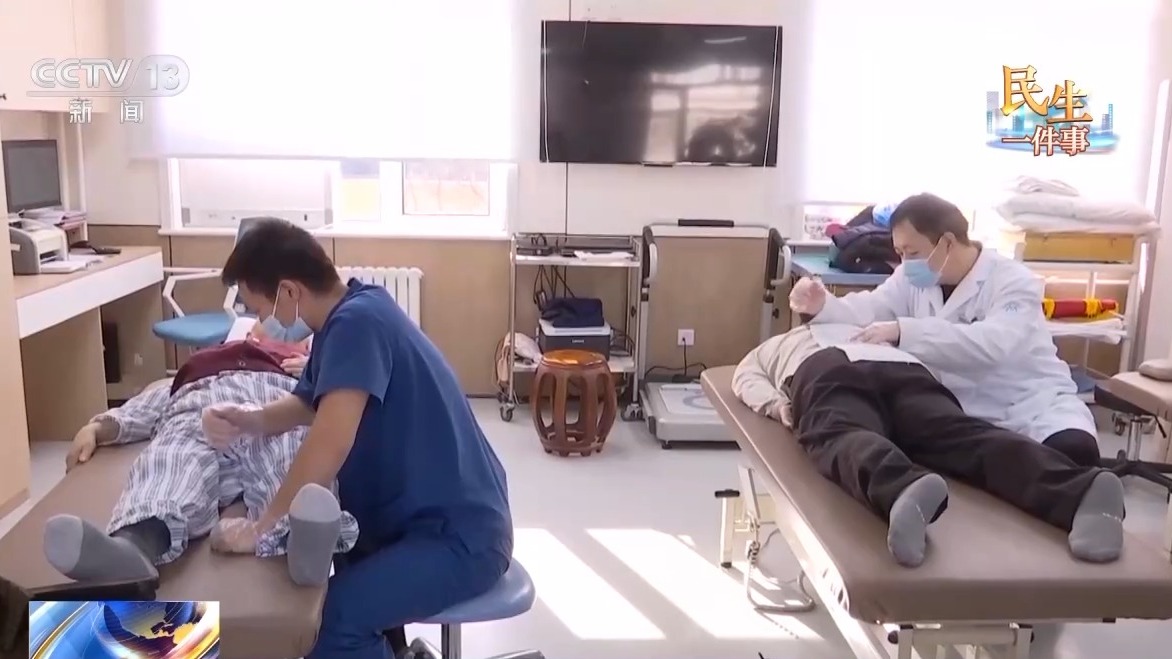
视频丨医保+机构+社区联动 “15分钟医养服务圈”让养老更安心
Yang Shi Xin Wen Ke Hu Duan· 2026-01-06 14:14
Core Insights - The aging population in China has reached 310 million people aged 60 and above, accounting for 22.0% of the total population, with 220 million aged 65 and above, representing 15.6% [1][3] - The government has launched the "Action Plan for Enhancing Elderly Care Service Capacity" to address the needs of elderly individuals, particularly those who are disabled or semi-disabled [3][5] Group 1: Demographics and Aging Population - China has entered a moderately aging society, with a significant number of elderly individuals requiring care, particularly those aged 80 and above [1][3] - Many younger caregivers, like Ms. Zhang from Beijing, find themselves overwhelmed with the responsibility of caring for elderly parents, leaving little time for personal interests [1][3] Group 2: Government Initiatives - The "Action Plan" mandates that qualified hospitals should establish geriatric departments and encourages the establishment of large-scale, chain nursing homes [3][5] - The plan aims to extend elderly care services into communities and homes, creating a comprehensive care system that includes acute care, rehabilitation, and palliative care [5] Group 3: Local Implementation - Cities like Beijing are developing a "15-minute elderly care service circle," allowing seniors to access care services within a short distance from their homes [5] - In Guangzhou, a comprehensive assessment method for elderly care needs has been implemented, enabling community nursing stations to provide essential care and access to long-term care insurance [7] - Shandong's Zibo city has integrated medical and elderly care resources to offer various services, including centralized care for vulnerable elderly individuals [7]
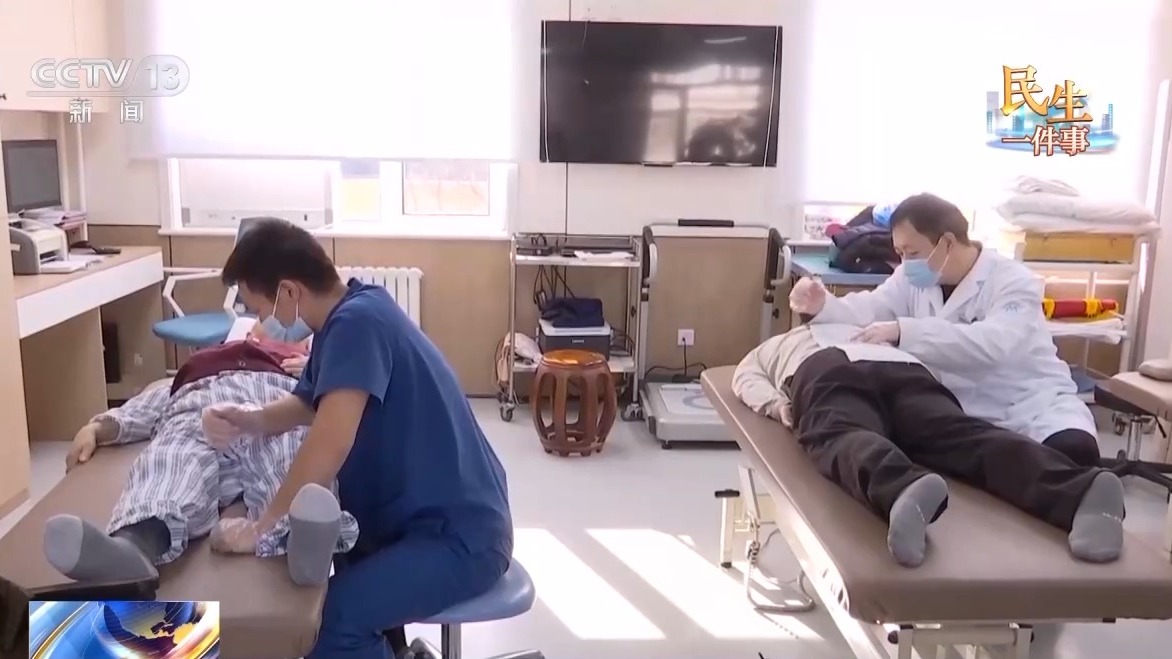
《老年护理服务能力提升行动方案》印发
Ren Min Wang· 2025-12-15 01:31
Core Viewpoint - The National Health Commission of China has developed the "Action Plan for Enhancing Elderly Care Service Capacity" to address the diverse and differentiated care needs of the aging population by 2027 [1][2] Group 1: Action Plan Objectives - By 2027, the elderly care resource capacity will be effectively expanded, improving the elderly care service system across institutions, communities, and home settings [1] - Continuous improvement in elderly care services will enhance service continuity, accessibility, and standardization, thereby increasing the sense of gain for the elderly [1] Group 2: Key Tasks - The plan outlines six key tasks: 1. Expand the supply of elderly care resources 2. Strengthen the construction of the elderly care service system 3. Diversify elderly care service models 4. Enhance the service capacity of elderly care personnel 5. Ensure the quality and safety of elderly care services 6. Improve elderly medical care services [1] Group 3: Implementation Strategy - Health administrative departments at all levels are required to prioritize the enhancement of elderly care service capacity, coordinating resources and providing strong support for task implementation [2] - Local authorities are encouraged to innovate and address challenges while promoting replicable successful practices [2]
四部门联合发布
中国基金报· 2025-12-13 11:16
Core Viewpoint - The article discusses the "Action Plan for Enhancing Elderly Care Service Capacity," which aims to address the urgent demand for elderly care services in China as the population aged 60 and above is projected to reach 310 million by the end of 2024, accounting for 22% of the total population [3][4]. Summary by Sections Action Plan Overview - The "Action Plan" outlines a strategy to enhance elderly care services by 2027, focusing on expanding resources, improving service systems, and increasing the capabilities of care personnel [3][10]. Key Tasks - The plan includes six key tasks: 1. Expand the supply of elderly care resources 2. Strengthen the elderly care service system 3. Diversify elderly care service models 4. Improve the service capabilities of care personnel 5. Ensure the quality and safety of elderly care services 6. Enhance elderly medical care services [4][12][13][14][15][16][17][18]. Resource Supply Expansion - Local health authorities are tasked with planning and increasing elderly care resources based on the aging population and service demand, encouraging the establishment of nursing homes in cities with significant elderly populations [12]. Service System Construction - The plan promotes a vertically integrated elderly care service model within medical alliances, extending services from institutions to communities and homes, with a target of having over 90% of community health service centers staffed by qualified nurses by 2027 [13]. Diversification of Service Models - Medical institutions are encouraged to innovate and diversify elderly care services, utilizing technology such as "Internet + Nursing Services" to provide home care for elderly patients with mobility issues [14][15]. Personnel Training - By 2027, at least 95% of elderly care nurses in each jurisdiction are expected to undergo training to enhance their service capabilities, with a focus on practical skills and knowledge [16]. Quality and Safety Assurance - The plan emphasizes monitoring key quality indicators in elderly care, such as pressure injuries and unplanned extubations, to ensure high standards of care [17]. Improvement of Medical Care Services - Medical institutions are required to implement measures to improve elderly patients' experiences, including comprehensive assessments and psychological support, while enhancing referral services between facilities [18]. Implementation Organization - Local health authorities are urged to prioritize the action plan, coordinate resources, and integrate elderly care services with long-term care insurance policies to support the development of the elderly care service system [19].

应对老年护理刚需 四部门发布《老年护理服务能力提升行动方案》
Yang Shi Xin Wen· 2025-12-13 08:49
Core Viewpoint - The "Action Plan for Enhancing Elderly Care Service Capacity" aims to improve elderly care resources and services in China by 2027, addressing the urgent demand for medical care among the aging population [1] Group 1: Policy Objectives - By 2027, the elderly care service system will be gradually improved, covering institutional, community, and home-based services [1] - The plan emphasizes the continuous improvement of service continuity, accessibility, and standardization, enhancing the sense of gain for the elderly [1] Group 2: Demographic Context - By the end of 2024, the population aged 60 and above in China is expected to reach 310 million, accounting for 22% of the total population [1] - There is a pressing and rigid demand for medical and nursing services, particularly among the elderly who are disabled [1] Group 3: Implementation Strategies - The plan calls for the expansion of "Internet + Nursing Services" to leverage information technology for providing professional nursing services to homebound elderly patients [1] - By 2027, it is targeted that 95% of professional nurses in the jurisdiction will have participated in training [1]