耕读教育

Search documents
天山脚下“筑基”记:新疆农业大学的育人实践
Xin Lang Cai Jing· 2026-01-19 04:46
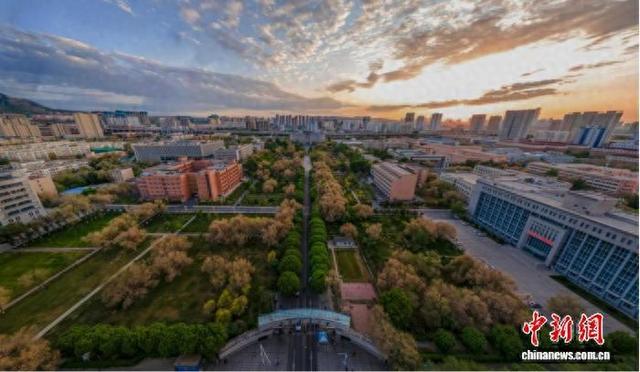
Core Viewpoint - Xinjiang Agricultural University, established as the first new-type regular university by the Communist Party of China in Xinjiang, emphasizes the cultivation of a shared national identity among students through its "Foundation" project, integrating education with practical agricultural experiences [3][4][9]. Group 1: Educational Structure and Programs - The university offers 70 undergraduate programs, 8 doctoral points, 19 master's points, and 7 postdoctoral research stations, with two disciplines ranked in the top 1% globally [3]. - The "Foundation" project aims to transform the concept of national identity into practical educational experiences, focusing on moral education and providing students with a broad platform for realizing their values [4][9]. Group 2: Practical Education Initiatives - The "耕读教育" (Agricultural Education) program has been running for 26 years, with 274 practical bases established across Xinjiang, integrating practical experience into academic credit [4]. - Students participate in hands-on agricultural activities, enhancing their skills and fostering camaraderie among diverse ethnic groups [4][6]. Group 3: Campus Life and Cultural Integration - Over 60% of students come from outside Xinjiang, promoting a multicultural environment where students live and learn together [6]. - The university organizes activities to foster relationships between faculty and students from various ethnic backgrounds, creating a supportive community [6][8]. Group 4: Ideological Education - The university has developed a curriculum centered on fostering a shared national identity, integrating ideological education into various subjects [8][9]. - The leadership actively participates in teaching ideological courses, ensuring that students receive direct insights into national development goals [9]. Group 5: Career Development and Future Expansion - A comprehensive employment service system is in place to enhance students' job readiness, including workshops and AI-assisted interview preparation [9]. - The recent approval of the Tacheng campus expansion signifies the university's commitment to agricultural development and the cultivation of future agricultural professionals [9][10].

破解难点培养高素质农林人才
Jing Ji Ri Bao· 2025-10-23 21:46
Core Viewpoint - The emphasis on cultivating high-quality agricultural and forestry talents is crucial for advancing China's rural revitalization strategy and achieving agricultural modernization [1][2]. Group 1: Policy and Progress - Recent policies have been introduced to enhance the education and training of agricultural and forestry talents, including the "Excellence in Agricultural and Forestry Talent Education Plan" [2]. - As of 2024, there are over 500 agricultural universities in China, with more than 2,500 specialized programs [2]. - The establishment of over 1,800 technology small courtyards across 31 provinces has facilitated the practical application of agricultural technology [2]. Group 2: Challenges and Needs - There is a mismatch between the number of high-level agricultural talents and China's status as a major agricultural nation [2]. - The need for a self-sustaining system for cultivating top-tier agricultural talents aligned with national strategic demands is highlighted [2][3]. - The integration of traditional agricultural disciplines with emerging fields and technologies is insufficient, indicating a need for comprehensive policy measures to address these challenges [2]. Group 3: Educational Innovations - A focus on interdisciplinary approaches is necessary to enhance agricultural and forestry education, integrating fields such as engineering and information technology [3]. - New agricultural specialties, such as smart agriculture and ecological restoration, are being developed to meet national strategic goals [3]. - The establishment of collaborative platforms among government, enterprises, and educational institutions is essential for aligning talent development with industry needs [4]. Group 4: Practical Training and Values - The cultivation of agricultural talents should include practical training in real-world settings, such as agricultural enterprises and technology small courtyards [4]. - Initiatives like "Yongdu China" aim to combine classroom learning with rural practice, fostering a love for agriculture among students [4].
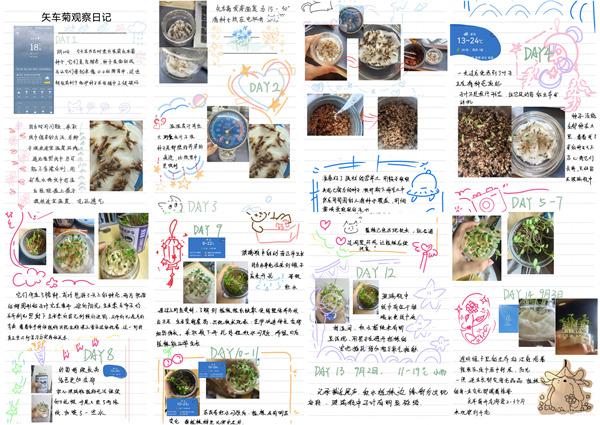
带着“不必答题”的第一份作业上大学
Zhong Guo Qing Nian Bao· 2025-09-14 02:14
Core Insights - The article discusses the innovative approach taken by various universities in China to assign summer homework to incoming freshmen, focusing on practical and experiential learning rather than traditional academic knowledge [1][2][9] Group 1: Educational Initiatives - South China Agricultural University has implemented a summer assignment for new students that encourages social practice and reading, emphasizing the importance of practical engagement in rural revitalization [1][6] - Northwest A&F University has designed multiple summer assignments for its horticulture students, aiming to connect their studies with historical and practical contexts, thereby enhancing their understanding of the discipline [3][4][5] Group 2: Student Experiences - Students like Wang Xinning and Du Fei have engaged in meaningful projects that link their academic pursuits with personal and historical narratives, fostering a deeper connection to their chosen fields [6][7] - The assignments have prompted students to reflect on their roles in society and the historical significance of their studies, such as the impact of horticulture on rural economies [5][8] Group 3: Transition from High School to University - The concept of "high-level transition" is highlighted, focusing on preparing students for personal growth and self-management rather than merely academic readiness [2][9] - Educators emphasize the importance of addressing the challenges students face during the transition to university life, including cultural shifts and changes in learning environments [8][9]