耽美文学

Search documents
为什么现代女生不爱看 “霸总文” ?
Hu Xiu· 2025-09-13 03:56
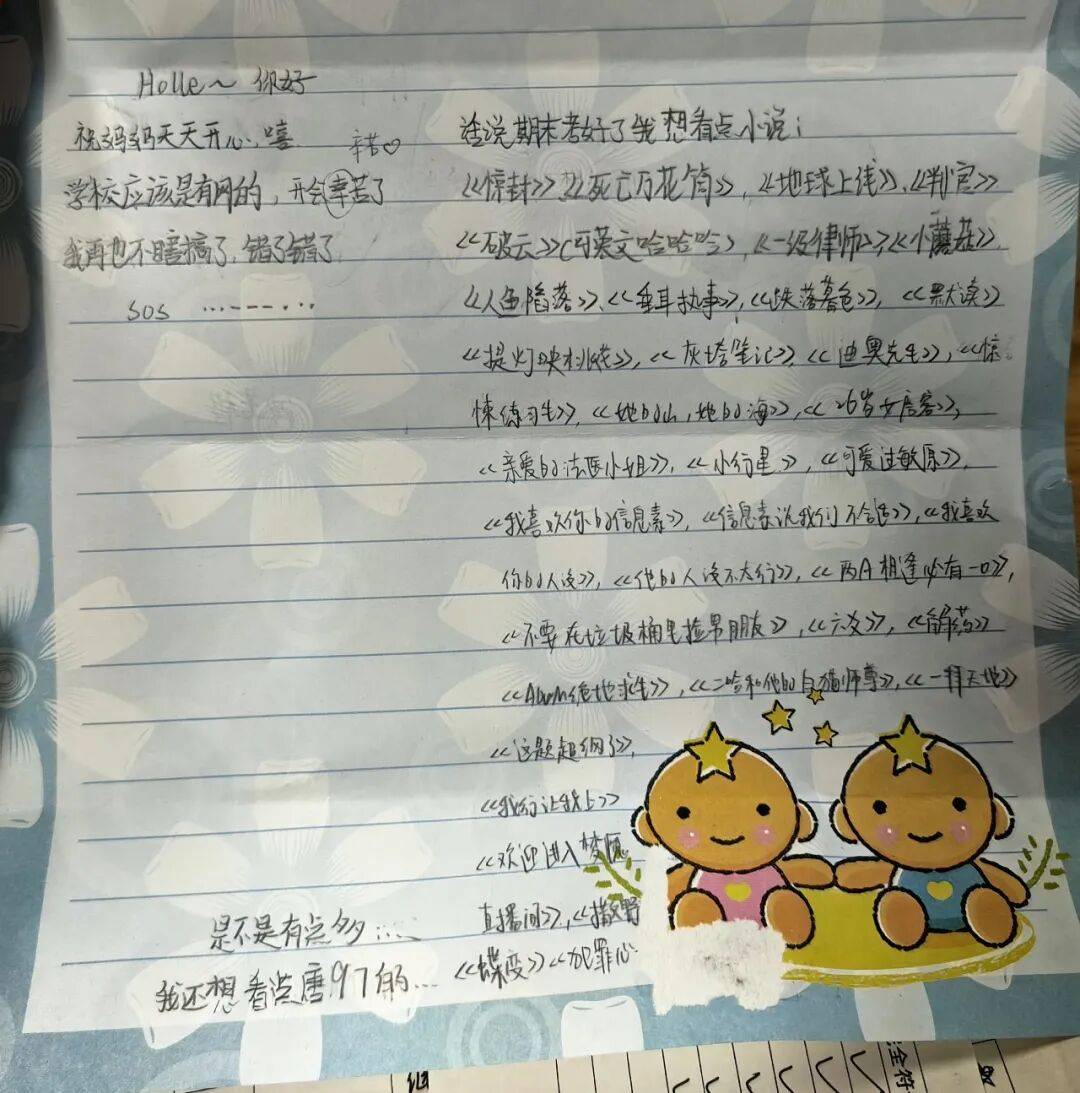
忍了一年,我还是写了这个主题。 起因是我的女儿给我写了一页纸。这个书单是她们几个同学凑出来的。 嗯,有大量糟粕也有精华,不过所有的小说都是一个种类:耽美。 作为一个看了很久也研究了很久网文的人,我要告诉你们的是,耽美小说在初中高中大学生甚至小学生中非常非常流行。你别说是我孩子的个例,下面我 会给数据。 研究耽美就是研究最新的中国女性变化。 所有吵翻天的两性话题——彩礼、结婚、离婚、生娃 VS 丁克、恋爱 VS 单身,包括屡屡翻车的各大品牌女性营销挨骂,在我看来都有出处。 因为,无论国内外,年轻一代的男女之间的观念差异、对世界的观念和看法,裂痕在加大,而不是在缩小。 这也是FT(金融时报)2024年刊出重磅专栏文章,用详尽数据想说明的事情:"两性间的差异甚至让"Z世代"可以被视为两代人,而非通常所认为的一代 人。" 这种庞大但被压抑的文化消费一旦有个突破口,有多厉害呢? 因为耽美小说改编的电视剧而火起来的男明星分别有:肖战 & 王一博《陈情令》、朱一龙 & 白宇《镇魂》、黄景瑜等。这还是在"全面禁止耽美小说改编 电视剧"的大前提下。 他们都是靠着一部耽改剧(耽美改兄弟情),从素人一跃成为女性心中的顶流,因为承载 ...

到底什么是“淫秽”小说?
Hu Xiu· 2025-06-09 15:06
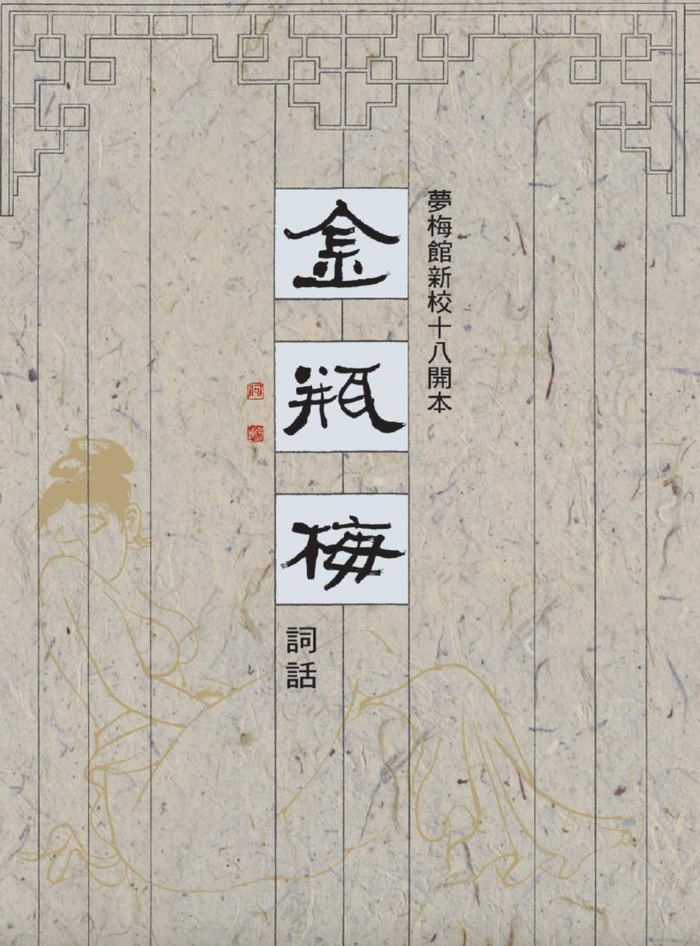
Group 1 - The article discusses the ambiguous distinction between "pornography" and "obscenity," highlighting the challenges in defining what constitutes artistic expression versus illegal dissemination [1][2][4] - It emphasizes that the historical context of Chinese literature has always included writings on desire, with texts like "The Art of the Bedroom" being viewed as educational rather than taboo [2][4] - The rise of "erotic novels" during the Ming and Qing dynasties reflects a tension between moral concerns and the depiction of societal norms, as seen in critiques of works like "Water Margin" and "Jin Ping Mei" [4][5] Group 2 - The legal framework in China began regulating pornography in the late 1980s, with laws categorizing "obscene publications" as criminal offenses, leading to a more structured control system [5][6] - The definition of "obscene materials" includes explicit depictions of sexual acts, but there is ongoing debate about what qualifies as "valuable literature or art," raising questions about who determines this value [6][9] - The case of "Faded City" illustrates the shifting perception of a work from being labeled as "obscene" to being recognized as a significant literary piece, showcasing the tension between societal morals and artistic expression [9][10] Group 3 - The article critiques the tendency to apply a singular evaluation standard to both serious literature and online literature, which often reflects different cultural contexts and audience engagement [11][13] - It discusses the genre of "danmei" literature as a space for female sexual fantasy, arguing that such works should not be held to the same societal value assessments as traditional literature [13][14] - The discourse surrounding "obscenity" is framed as subjective, suggesting that the definitions of "pornography" and "obscenity" require a nuanced understanding that involves multiple academic perspectives [14][15]