
联合国体系

Search documents
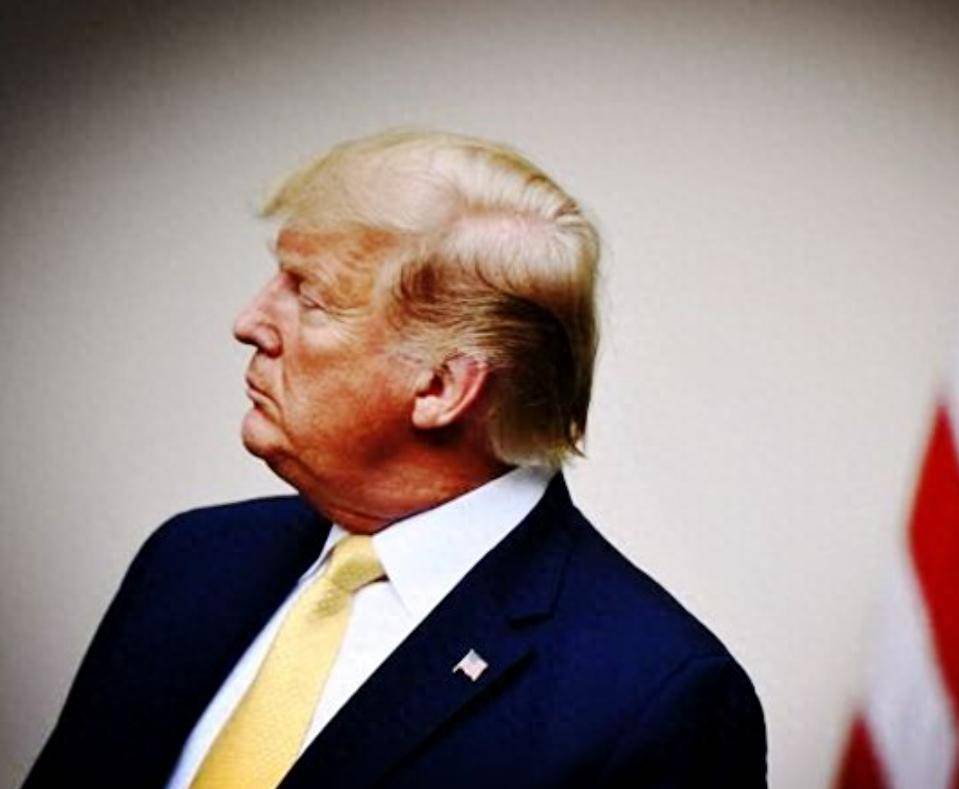
特朗普邀请中国,加入和平委员会,法国被他征收惩罚性的关税!
Sou Hu Cai Jing· 2026-01-24 05:55
Core Viewpoint - The article discusses Trump's strategic moves to reshape global power dynamics by proposing a Peace Committee aimed at sidelining traditional powers and the United Nations, while attempting to draw China and Russia into a new alliance [1][15]. Group 1: Trump's Strategy - Trump imposed a punitive 200% tariff on French goods, particularly wine and champagne, as a means of political pressure [3][12]. - The invitation to China and Russia to join the Peace Committee is seen as an attempt to create a new global decision-making mechanism led by the U.S., marginalizing traditional allies like France and Germany [1][10]. - The Peace Committee is designed to operate outside the United Nations framework, with Trump as the proposed chair, and aims to establish a new strategic order centered around the U.S., China, and Russia [4][15]. Group 2: Reactions from China and Russia - China's response to the invitation has been cautious, indicating a reluctance to join unless conditions are favorable and equitable [6][12]. - Russia's reaction is more flexible, as it seeks to break Western isolation and may find strategic benefits in joining the committee, particularly regarding its interests in the Middle East [8][10]. - Both countries are aware of the implications of joining a U.S.-dominated platform, with China emphasizing the need for shared rules and power [6][12]. Group 3: Implications for Global Order - The proposed Peace Committee represents a significant challenge to the post-Cold War diplomatic framework, aiming to replace the UN with a new order that prioritizes U.S. interests [15]. - Trump's approach serves as a warning to other allies about the consequences of non-compliance, as demonstrated by the severe tariffs imposed on France [12][15]. - The dynamics of this geopolitical chess game highlight the complexities of international relations, where power, influence, and strategic interests are constantly negotiated [10][13].

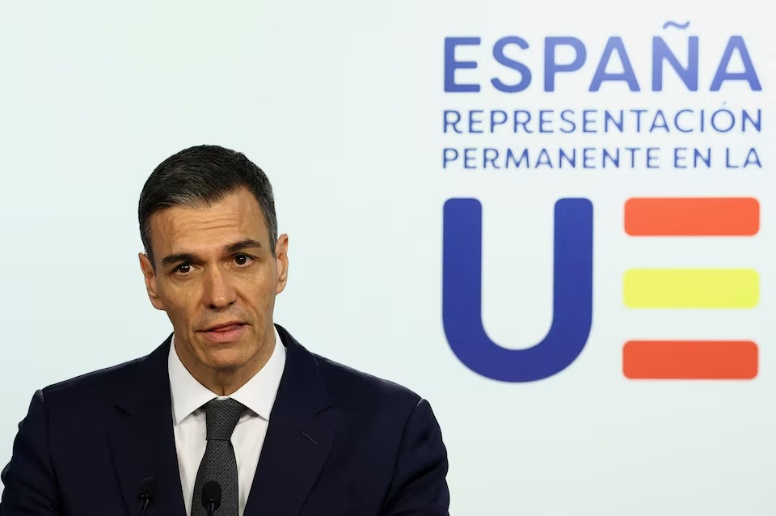
西班牙拒绝加入美国发起的“和平委员会”
Xin Lang Cai Jing· 2026-01-23 10:37
Group 1 - Spain's Prime Minister Pedro Sánchez announced that Spain will not join the "Peace Committee" initiated by U.S. President Trump, emphasizing adherence to the current international order [1][2][3] - Sánchez stated that the decision aligns with Spain's commitment to a multilateral order, the United Nations system, and international law [1][2] - The "Peace Committee" proposed by the U.S. does not include the Palestinian National Authority, which Sánchez highlighted as a significant reason for Spain's refusal [1][2] Group 2 - Spain plans to recognize the State of Palestine in 2024 and has criticized Israel's military actions in Gaza multiple times [2][3] - Trump signed a document with representatives from over ten countries in Davos to launch the "Peace Committee," which aims to address the Gaza issue first and then extend to other conflicts [2][3] - Few Western allies have publicly accepted the invitation to join the "Peace Committee," with Canada, the UK, and most EU member states also declining to participate [2][3]
外媒:西班牙首相称不会加入美国主导的“和平委员会”
Huan Qiu Wang· 2026-01-23 10:24
Group 1 - Spain's Prime Minister Pedro Sánchez announced that Spain will not join the U.S.-led "Peace Committee," aligning with the country's commitment to multilateralism and the United Nations system [1][3] - Sánchez expressed gratitude for the invitation but emphasized the refusal is based on Spain's consistent commitment to international law, the UN, and multilateralism [1] - The U.S. government recently established the "Peace Committee," which aims to address the Gaza issue and extend to other conflicts, raising concerns about undermining the authority and mechanisms of the UN [3]
南非外长回应美国务卿:任何G20成员无权单方面将南非排除在外
Zhong Guo Xin Wen Wang· 2025-12-05 08:14
Group 1 - South Africa's International Relations and Cooperation Minister, Naledi Pandor, emphasized that no G20 member has the right to unilaterally exclude South Africa from discussions, asserting its status as a founding member of the G20 [1] - Pandor highlighted South Africa's commitment to multilateralism and the United Nations system, recognizing the interconnectedness of the global community [1] - The Minister refuted claims from the U.S. regarding South Africa's domestic policies, stating that accusations of "land expropriation" and discrimination against white minority groups are unfounded [1] Group 2 - Pandor warned that the world is increasingly weary of double standards and "democratic preaching," asserting that South Africa's development path is a choice made by its people without seeking permission from others [2] - The U.S. Secretary of State, Marco Rubio, announced that South Africa would not be invited to the G20 summit in the U.S. next year, leading to South Africa's temporary absence from the G20 until the UK takes over the presidency [2]