
联合国改革

Search documents
美国:将像对待北约一样对待联合国
Xin Lang Cai Jing· 2026-02-14 10:19
Core Viewpoint - The United States is planning to reform the United Nations to better meet actual needs, with a focus on reducing its perceived inefficiencies, as highlighted by U.S. Ambassador to the UN, Michael Walz, during a discussion at the Munich Security Conference [1][2]. Group 1: U.S. Position on the UN - The U.S. will pay off its outstanding dues to the UN, which amount to $4.6 billion, representing over 92% of the total arrears from all member states, making the U.S. the largest debtor to the UN [2]. - Walz emphasized the need for "severe love" reforms to address the UN's inefficiencies, paralleling President Trump's approach to NATO [1][2]. Group 2: Financial Implications - The UN Secretary-General, António Guterres, has warned of an imminent financial collapse due to unpaid dues from member states, primarily from the U.S. [2]. - The U.S. is expected to make an initial payment soon to address its significant arrears, although details regarding the timing and conditions of this payment remain unclear [2]. Group 3: Voting Rights and Membership Obligations - According to Article 19 of the UN Charter, a member state that owes more than two years' worth of dues automatically loses its voting rights in the General Assembly [3].
美国称将支付拖欠联合国会费,联合国:请明确金额及支付时间
Xin Lang Cai Jing· 2026-02-10 06:39
Core Points - The U.S. plans to pay part of its overdue contributions to the United Nations, which amounts to billions of dollars, while emphasizing the need for UN reforms [1] - The UN Secretary-General warned of a potential financial collapse by July due to unpaid dues, with the U.S. accounting for over 95% of the unpaid regular budget contributions, totaling $2.19 billion as of early February [1][2] - The U.S. has not paid $827 million for the 2025 regular budget and $767 million for the current year's budget, with additional debts for peacekeeping operations and the internal judicial system [1] Group 1 - The U.S. contributes 22% of the UN's regular budget annually, while China contributes approximately 20% [2] - A senior U.S. official criticized the UN for financial waste, highlighting the unsustainable $16 billion spent on employee salaries each year [2] - The UN's budget draft indicated that cuts to senior positions were less significant compared to those for lower-level positions, with the Secretary-General aiming to minimize the impact of budget cuts while pursuing reforms [2] Group 2 - China's contribution to UN peacekeeping operations is about 23.8%, second only to the U.S., emphasizing the importance of stable funding for successful peacekeeping missions [2] - The Chinese representative at the UN stated that all member states have an obligation to pay their dues fully and on time to support UN operations [2]
美方称将向联合国支付部分拖欠会费,但有要求且没说给多少
Xin Lang Cai Jing· 2026-02-08 19:34
Group 1 - The U.S. plans to pay part of its overdue contributions to the United Nations, amounting to several billion dollars, in the coming weeks, emphasizing the need for UN reforms [1][3] - The UN Secretary-General warned of an imminent financial collapse due to unpaid dues, with the U.S. accounting for over 95% of the regular budget arrears, totaling $2.19 billion as of early February [3][4] - The U.S. has a history of increasing its unpaid contributions during the Trump administration, which has also seen a withdrawal from various international organizations [4][5] Group 2 - The U.S. supports the UN's "80th Anniversary Initiative" proposed by Secretary-General Guterres, indicating a desire for continued reforms, although the pace of these reforms is expected to be slow [6][7] - Discussions on reforming the UN's financial structure and contribution distribution are complex and will likely take time, with significant changes requiring formal review by the General Assembly [6][7] - The UN is considering relocating some of its functions to lower-cost regions as part of its reform efforts, although immediate relocations are deemed unlikely due to geopolitical considerations [7][8]

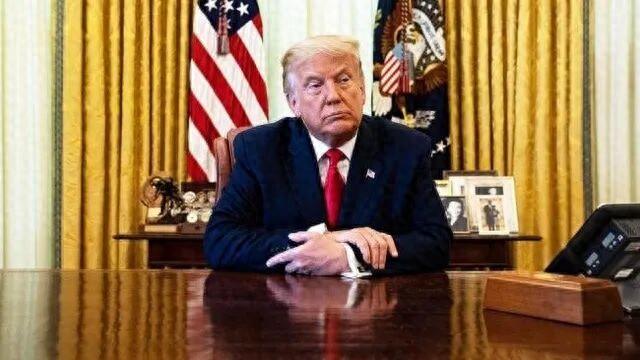
美国终于要还钱了?
第一财经· 2026-02-08 07:07
Core Viewpoint - The article discusses the financial crisis facing the United Nations due to unpaid dues, primarily from the United States, and highlights the potential for reform within the organization as a response to this crisis [3][4][5]. Group 1: Financial Situation of the United Nations - The U.S. is set to pay a portion of its overdue dues to the United Nations, which amounts to $2.19 billion, with additional debts of $2.4 billion for peacekeeping operations and $44 million for international courts [7]. - The U.S. has historically delayed payments, with the current administration's actions leading to a significant increase in unpaid dues compared to previous years [7][8]. - The UN Secretary-General has warned of a "looming financial collapse" if member states do not pay their dues on time, with the U.S. accounting for over 95% of the unpaid regular budget contributions [5][7]. Group 2: U.S. Position and Reform Initiatives - The U.S. supports the UN's "80th Anniversary Initiative" proposed by Secretary-General Guterres, which aims to reform the organization and enhance its operational efficiency [10]. - The U.S. government is focused on ensuring that the UN remains functional, as indicated by its recent payment of overdue dues, which is seen as a strategic move rather than a sign of trust [8][10]. - Discussions around reforming the UN's financial structure and operational efficiency are ongoing, with proposals to relocate certain functions to lower-cost regions being considered [11][12].
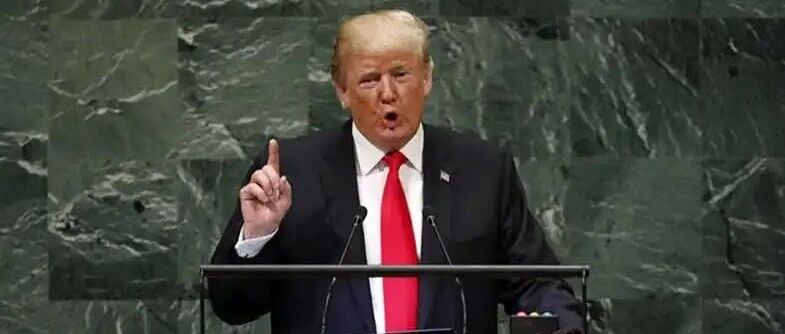
终于要还钱了?美方称将向联合国支付部分拖欠会费 但有要求且没说给多少
Di Yi Cai Jing· 2026-02-08 07:00
Core Points - The U.S. plans to pay part of its overdue dues to the United Nations amounting to several billion dollars in the coming weeks, emphasizing the need for UN reforms [1][2] - The UN Secretary-General warned of an imminent financial collapse due to unpaid dues, with the U.S. accounting for over 95% of the outstanding regular budget contributions, totaling $2.19 billion as of early February [2][3] - The U.S. has also delayed payments for peacekeeping operations, totaling $2.4 billion, and other court fees amounting to $44 million [2] Group 1 - The U.S. will soon pay a significant prepayment of its annual dues, although the final amount is yet to be determined [1] - The U.S. has a history of increasing its unpaid dues during the Trump administration, which has seen a withdrawal from various multilateral organizations [2][3] - The U.S. government signed a spending bill on February 3, allocating $3.1 billion for UN and other international organization dues, aimed at clearing overdue payments and recognizing some reform measures [3] Group 2 - The U.S. supports the UN Secretary-General's "80th Anniversary Initiative," viewing it as a crucial step for reform, although the pace of reform is expected to be slow [5][6] - Discussions on reforming the UN's financial structure and fee distribution are anticipated to take place after the annual General Assembly in September [5][6] - The UN is currently evaluating which tasks are core obligations under its charter, with recent relocations of agencies like UNICEF to lower-cost regions being part of the reform discussions [6]
终于要还钱了?美方称将向联合国支付部分拖欠会费,但有要求且没说给多少
Di Yi Cai Jing· 2026-02-08 06:38
Core Viewpoint - The United States plans to pay part of its overdue contributions to the United Nations amounting to billions of dollars, while emphasizing the need for ongoing reforms within the UN [1][3]. Group 1: Financial Contributions - The U.S. is set to pay a significant prepayment of its annual dues to the UN in the coming weeks, although the exact amount is yet to be determined [1]. - As of early February, the U.S. owed approximately $2.19 billion in regular budget contributions, accounting for over 95% of the total unpaid dues [3]. - Additionally, the U.S. has outstanding payments of $2.4 billion for current and historical peacekeeping operations, and $44 million for international courts [3]. Group 2: Reform and Governance - U.S. Ambassador to the UN, Mike Wolsz, expressed support for UN Secretary-General António Guterres' "80th Anniversary Initiative," highlighting the need for reforms to enhance the UN's effectiveness [6]. - The pace of UN reforms is expected to be slow, particularly regarding changes to the budget allocation and overall financial structure, which require formal discussions at the UN General Assembly [6][7]. - Guterres' initiative includes proposals to optimize operations and potentially relocate high-cost functions to lower-cost areas, with a focus on improving efficiency and project optimization [6][7]. Group 3: Geopolitical Context - The funding crisis at the UN coincides with the Trump administration's trend of withdrawing from multilateral engagements, which has led to increased U.S. arrears [3][4]. - The U.S. has previously threatened to withdraw from various international organizations, but has opted to maintain its participation in some, such as the WTO, to avoid operational disruptions [5][6].
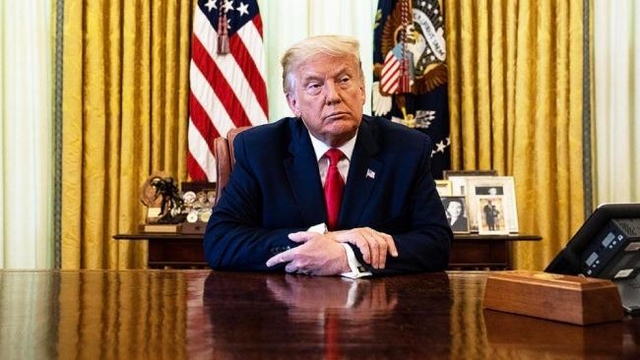
英媒:联合国秘书长古特雷斯称,美国“正肆无忌惮地行事”,认为其力量比国际法更重要
Huan Qiu Wang· 2026-01-19 10:30
Core Viewpoint - The UN Secretary-General Antonio Guterres criticized the United States for acting recklessly and prioritizing its power over international law [1][3] Group 1: US Actions and International Law - Guterres stated that the US holds a clear belief that multilateral solutions are unimportant, emphasizing the implementation of American power and influence [3] - He highlighted that principles such as the equality of member states, which are foundational to the UN, are currently under threat [3] - Guterres acknowledged the difficulties the UN faces in ensuring member states adhere to international law as outlined in the UN Charter [3] Group 2: Need for UN Reform - Guterres called for reforms within the UN to address the severe issues and challenges faced by its 193 member states [3] - He reiterated the importance of all member states respecting the international law they established, in response to President Trump's assertion that he does not need international law [3]
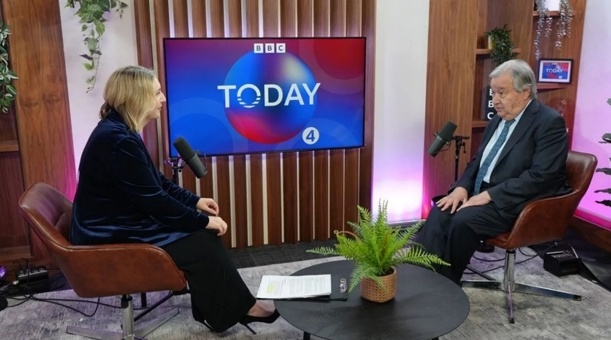
中方代表“全球治理之友小组”就联合国改革作共同发言
Yang Shi Xin Wen Ke Hu Duan· 2025-12-11 20:28
Group 1 - The core viewpoint of the news is that the "Friend of Global Governance Group," represented by China's permanent representative to the UN, emphasizes the need for UN80 reform to enhance the effectiveness and efficiency of the United Nations in addressing current global challenges [1][2] - The UN80 reform should focus on improving the UN's governance capabilities, ensuring that it adapts to modern challenges while maintaining its intergovernmental nature and promoting balanced development across its three pillars [1][2] - The reform process must prioritize the concerns of developing countries, which constitute two-thirds of UN member states, and ensure their representation and voice are adequately addressed in the reform initiatives [2] Group 2 - The establishment of the "Friend of Global Governance Group" was officially announced during a meeting held at the UN headquarters in New York, indicating a collaborative effort among member states to push for meaningful reforms [3] - The reform process is expected to be transparent and inclusive, allowing all member states to participate equally and contribute to the outcomes, with a focus on achieving practical results through consensus [2]
中法联合声明
券商中国· 2025-12-05 09:00
Core Viewpoint - The joint statement emphasizes the commitment of China and France to strengthen global governance and multilateralism, highlighting the importance of the United Nations and the need for reforms to create a more inclusive international system [2][3]. Group 1: Multilateralism and Global Governance - China and France reaffirm their dedication to multilateralism as the cornerstone of international order, essential for promoting international cooperation and addressing global challenges [2]. - Both countries support the UN Secretary-General's "UN 80th Anniversary Reform Initiative" aimed at enhancing the representation of developing countries in governance platforms [3]. - The two nations advocate for a rules-based multilateral trading system centered around the World Trade Organization, aiming to create a free, open, transparent, and inclusive trade and investment environment [3]. Group 2: Economic Cooperation and Challenges - The statement acknowledges current global economic challenges, including insufficient growth momentum and imbalanced governance structures, calling for major economies to enhance dialogue and coordinate macroeconomic policies [3]. - France will assume the G7 presidency in 2026, while China will host the Asia-Pacific Economic Cooperation, with both countries expressing a willingness to engage in inclusive dialogue to address global governance challenges [3].

中国和法国发布关于加强全球治理的联合声明
Xin Jing Bao· 2025-12-05 05:10
Core Points - The visit of French President Emmanuel Macron to China from December 3 to 5, 2025, is aimed at reinforcing multilateralism and global governance [1] - Both leaders reaffirmed their commitment to maintaining the authority of the United Nations and supporting its reform initiatives [1][1][1] Group 1: Multilateralism and Global Governance - China and France emphasize the importance of multilateralism as the foundation of international order, essential for international cooperation and addressing global challenges [1][1] - The two countries support the UN Secretary-General's "UN 80th Anniversary Reform Initiative" to enhance the representation of developing countries in governance platforms [1][1][1] - They advocate for a rules-based multilateral trading system centered around the World Trade Organization, aiming for a free, open, transparent, and inclusive trade environment [1][1] Group 2: Economic Cooperation - Both nations call for major economies to enhance dialogue and coordinate macroeconomic policies to promote balanced and sustainable global economic development [1][1] - France will hold the G7 presidency in 2026, while China will host the Asia-Pacific Economic Cooperation, indicating a willingness to engage in inclusive dialogue on global governance challenges [1][1][1]