肌肉健康

Search documents
中国孩子正在经历肌肉力量危机
虎嗅APP· 2025-09-13 03:24
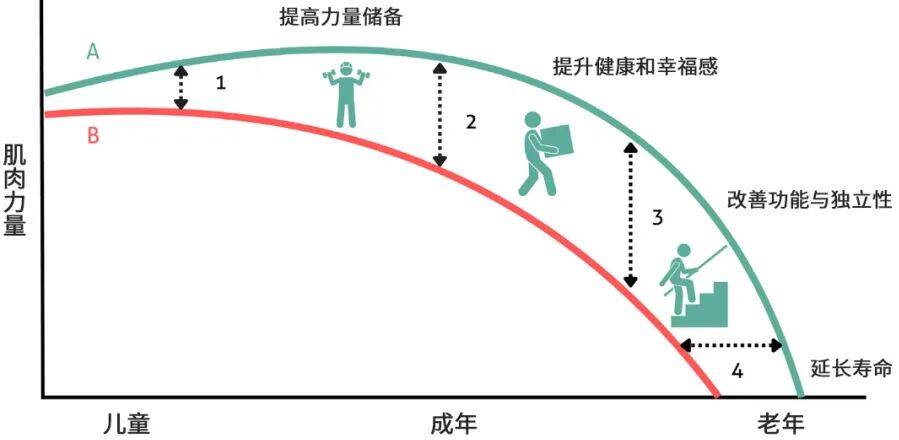
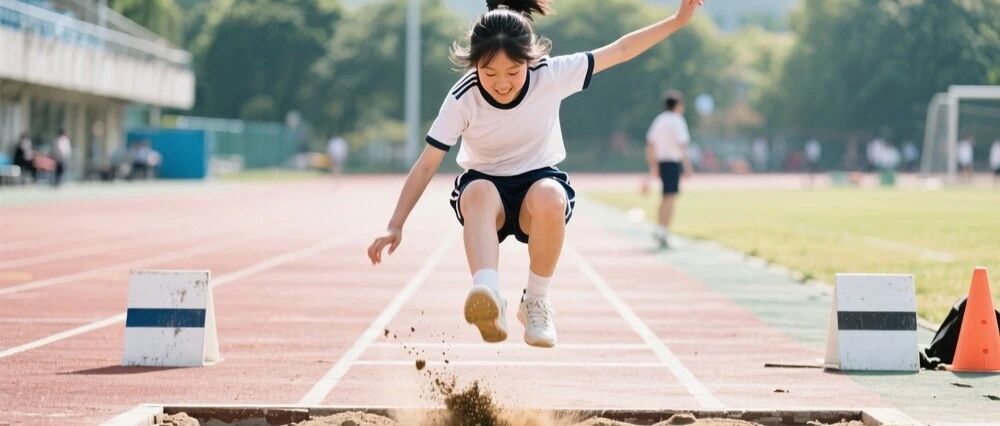
Core Viewpoint - The muscle health of Chinese children and adolescents has been declining over the past two decades, particularly in the last ten years, despite improvements in nutrition and physical activity options. This decline poses long-term health risks, including chronic diseases and reduced autonomy in older age [4][8][14]. Summary by Sections Muscle Health Trends - Muscle health encompasses strength, explosiveness, and endurance. The standing long jump, a key indicator of lower body muscle health, shows a significant decline in performance among Chinese youth from 2000 to 2019, especially in the 18-22 age group, which is typically a peak muscle development period [5][8]. - The median standing long jump distance for 22-year-old males decreased from 234.3 cm in 2010 to 219.4 cm in 2019, while for females, it dropped from 172.8 cm to 162.5 cm during the same period [8]. Causes of Decline - Insufficient resistance training is identified as a major factor contributing to the decline in muscle health. Less than 40% of Chinese students meet the World Health Organization's recommendations for muscle-strengthening activities, with activity levels decreasing as they age [12][14]. - Resistance training is highlighted as the most effective method to improve muscle health, particularly strength [12][18]. Importance of Resistance Training - Resistance training is not limited to weightlifting; it includes various activities such as push-ups, squats, and bodyweight exercises. Engaging in resistance training can help children develop better overall fitness and reduce the risk of injuries [13][18]. - The benefits of resistance training extend beyond physical health, positively impacting mental well-being, self-efficacy, and academic performance [18][19]. Recommendations for Implementation - It is recommended that children aged 6-17 engage in resistance training at least three times a week for 30 minutes per session, incorporating a variety of movements targeting different muscle groups [23]. - A structured approach to resistance training, guided by knowledgeable professionals, is essential for maximizing safety and effectiveness [23][26]. Special Considerations - Interest in physical activity should be prioritized to ensure long-term engagement in exercise. Proper technique and safety should be emphasized, avoiding excessive competition or weight [26][27]. - The consensus has shifted to recognize the critical role of resistance training in youth health, alongside aerobic activities, as both are essential for overall well-being [27].

中国孩子正在经历肌肉力量危机
Hu Xiu· 2025-09-13 00:06
Core Viewpoint - The muscle health of Chinese children has been declining over the past two decades, with a significant acceleration in the last ten years, despite improvements in nutrition and physical activity options available to them [2][10]. Group 1: Decline in Muscle Health - The muscle health of Chinese children, as measured by standing long jump performance, has shown a continuous decline over the past 20 years, particularly worsening in the last decade [2][6]. - The most affected age group is 18-22 years, which is typically a peak period for muscle strength development. For instance, the median standing long jump distance for 22-year-old boys decreased from 234.3 cm to 219.4 cm from 2010 to 2019, while for girls it dropped from 172.8 cm to 162.5 cm [8][10]. Group 2: Consequences of Weak Muscle Health - Children with weak muscles are likely to grow into adults with poor muscle strength, leading to a higher risk of chronic diseases and reduced independence in old age [3][10]. - The decline in muscle health, combined with weight gain, poses a risk for the health and development of Chinese children and adolescents, potentially leading to a chronic disease crisis in the future [10]. Group 3: Importance of Resistance Training - Insufficient resistance training is a key factor contributing to the decline in muscle health among Chinese students. Less than 40% of students meet the World Health Organization's recommendations for muscle-strengthening activities [15][21]. - Engaging in resistance training can significantly improve muscle health, with evidence suggesting that it can reduce injury rates, prevent obesity, and enhance overall physical fitness [21][24]. Group 4: Recommendations for Resistance Training - The recommended approach for children aged 6-17 is to engage in resistance activities at least three days a week, with each session lasting 30 minutes [34][36]. - Activities should include a variety of movements targeting different muscle groups, such as lower body exercises (e.g., squats), upper body pushing (e.g., push-ups), upper body pulling (e.g., pull-ups), and core stability exercises [36][34]. Group 5: Safety and Effectiveness of Resistance Training - Recent research supports the safety and effectiveness of resistance training for children and adolescents, dispelling previous concerns about potential harm to growth plates [38][43]. - It is crucial to prioritize children's interest in sports and ensure they perform exercises correctly without excessive competition or weight [39][40].