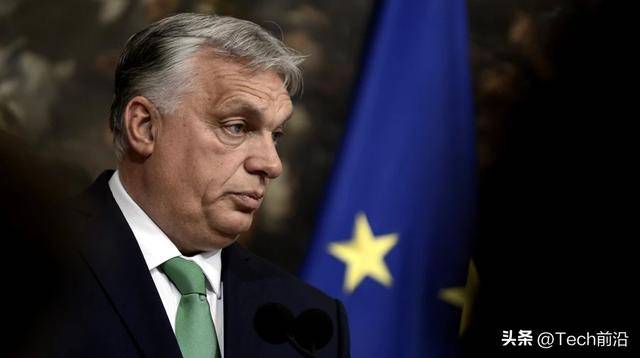
能源制裁豁免

Search documents
豁免一年还是永久?匈美就购俄能源制裁表态各有侧重
Yang Shi Xin Wen· 2025-11-13 14:05
Core Viewpoint - Hungary has secured a waiver from the United States regarding sanctions on its purchase of Russian energy, which is expected to remain effective as long as Hungarian Prime Minister Orban and U.S. President Trump are in office [3]. Group 1: Sanction Waiver Details - Hungarian Foreign Minister Szijjarto stated that the waiver from U.S. sanctions on Russian energy purchases is comprehensive and unlimited [3]. - The waiver was agreed upon during a meeting between U.S. President Trump and Hungarian Prime Minister Orban, with the implementation of this agreement being a technical matter [3]. - U.S. officials confirmed that Hungary has received a one-year waiver for sanctions related to the import of Russian oil [3]. Group 2: Future Communications - Foreign Minister Szijjarto plans to discuss the sanction waiver with U.S. Secretary of State in the coming days [3]. - There is a discrepancy in statements regarding the duration of the waiver, with Szijjarto claiming it has no expiration while a White House official indicated it is limited to one year [3].

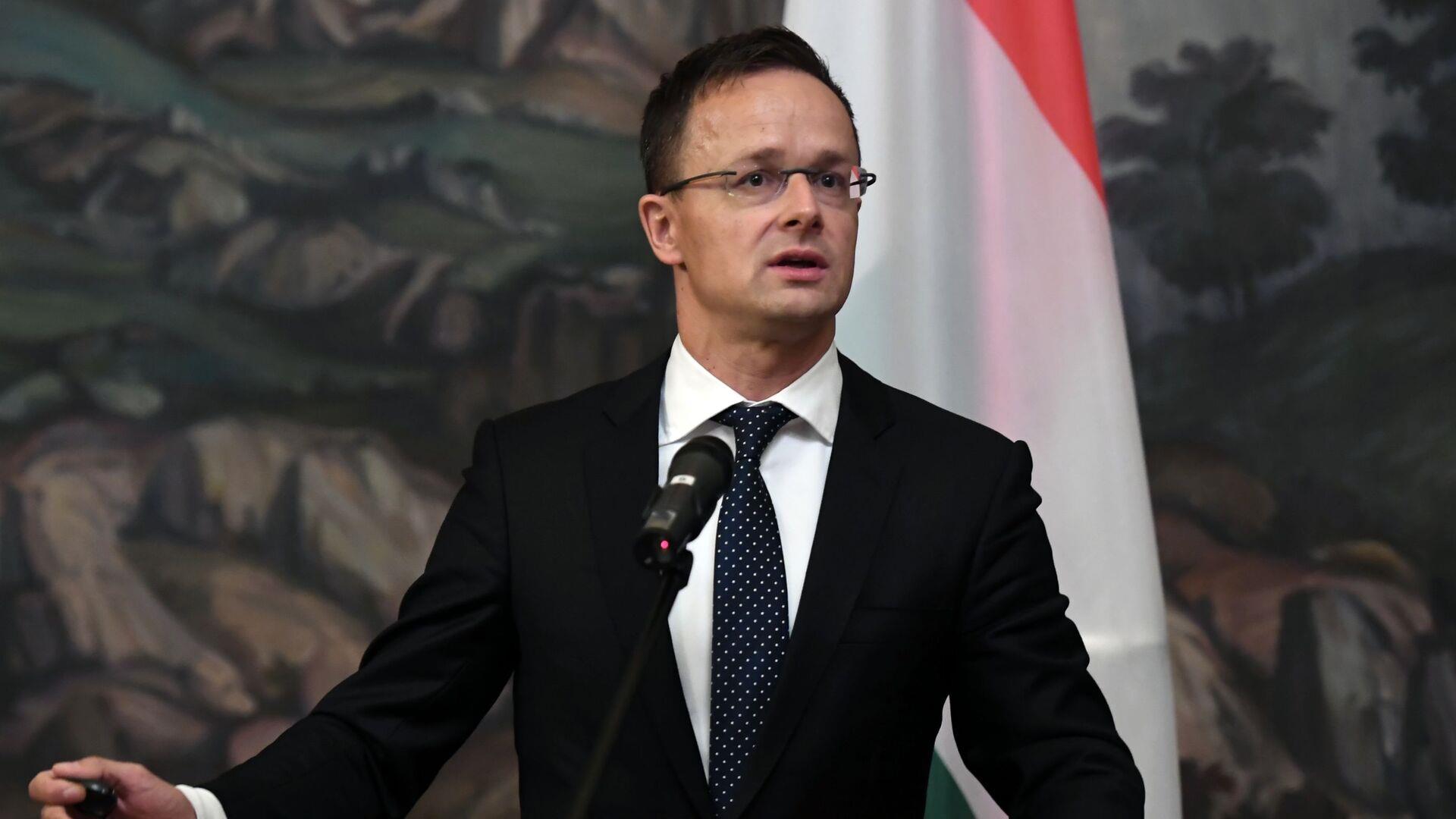
匈牙利总理:俄美元首会晤仍在日程中
Yang Shi Xin Wen· 2025-11-11 20:08
Core Viewpoint - The Hungarian Prime Minister Viktor Orbán stated that negotiations regarding the meeting between the Russian and American presidents are ongoing and making progress, with the Budapest Peace Summit still on the agenda [1] Group 1: Negotiations and Energy Relations - Orbán mentioned that the current sticking points in negotiations are related to territorial issues [1] - The Hungarian government is maintaining contact with Russia regarding energy purchases [1] Group 2: U.S. Sanctions and Exemptions - Orbán indicated that as long as he remains Prime Minister and Trump is President, Hungary will not face U.S. sanctions [1] - The U.S. government has agreed to provide Hungary with a one-year exemption from sanctions on Russian energy, allowing Hungary to continue importing Russian oil [1]
重磅!匈牙利获美国无期限豁免,美匈签核能大单硬刚欧盟
Sou Hu Cai Jing· 2025-11-08 03:36
Core Insights - Hungary has received a waiver from the U.S. for comprehensive energy sanctions, allowing it to continue relying on Russian energy without incurring significant costs for transitioning away from it [1][2] Group 1: Energy Dependency - Hungary is the EU country most dependent on Russian energy, with 90% of its crude oil and 80% of its natural gas sourced from Russia [2] - The "Turkish Stream" pipeline is set to deliver 7.6 billion cubic meters of natural gas to Hungary in 2024, supporting its status as a "gas price haven" in Europe, with household gas costs being one-third of those in Western Europe [2] - The termination of the Russian gas transit agreement with Ukraine has made the "Turkish Stream" the sole route for Russian gas to Europe [2] Group 2: Economic Implications - Experts warn that if the pipeline were to be sanctioned and shut down, Hungary's industrial output could drop by 30%, and inflation could exceed 20% [2] - Hungary's Prime Minister emphasized that energy security is a matter of physical and mathematical necessity, stating that without Russian gas, energy security is merely a theoretical discussion [2] Group 3: U.S.-Hungary Relations - The waiver indicates a shift in U.S. policy under Trump, contrasting with the previous Biden administration, which imposed sanctions on Hungarian officials and restricted military sales [3] - Hungary's Foreign Minister stated that U.S.-Hungary relations are entering a "new golden era," with the U.S. indicating a willingness to resume military cooperation [3] Group 4: EU Policy Tensions - The waiver has further strained the EU's unified stance on Russian energy sanctions, as Hungary has repeatedly blocked EU efforts to impose a complete ban on Russian oil and gas by 2026 [5] - Slovakia has followed Hungary's lead by importing Russian gas through the "Turkish Stream," and even Ukraine has turned to Hungary for Russian gas during emergencies [5] Group 5: Future Ambitions - Hungary aims to leverage the remaining capacity of the "Turkish Stream" to supply gas to Slovakia and plans to establish a natural gas distribution center in Central Europe, potentially replacing Austria's traditional role [6] - The waiver allows Hungary to stabilize energy costs while profiting from the price differences in gas trading between the EU and Russia [6]