能源安全转型

Search documents
基于欧洲和中东油气市场的压力控制校准器前景分析
QYResearch· 2025-12-11 02:36
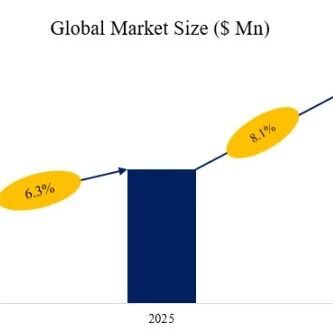
Core Insights - The article discusses the significance of pressure control calibrators in the oil and gas industry, highlighting their role in high-precision pressure measurement and calibration, which is essential for exploration, drilling, transportation, and equipment maintenance [1]. Market Analysis - The development of pressure control calibrators in the European and Middle Eastern oil and gas markets is driven by energy security transitions and the establishment of digital verification systems. The demand for measurement, monitoring, and safety calibration equipment has significantly increased due to the diversification of energy sources post-Russia-Ukraine conflict [2]. - According to QYResearch, the global market for pressure control calibrators is expected to reach $330 million by 2031, with a compound annual growth rate (CAGR) of 8.1% over the coming years [2]. Supply Chain Overview - The upstream supply chain includes critical components such as high-pressure motor assemblies, servo pump bodies, pressure sensor cores, seals, and corrosion-resistant metal housings. The cost of pressure sensor cores accounts for approximately 35% to 40% of the total cost, influencing overall measurement accuracy and temperature stability [5]. Technological Trends - Key technological advancements include: - Smart and remote control capabilities with ±0.005% FS stability, supporting Bluetooth, Modbus, and Ethernet communication for integration into oilfield monitoring networks [6]. - Lightweight and portable designs with built-in battery systems for independent operation in remote locations [6]. - Enhanced corrosion resistance and explosion-proof features, compliant with ATEX and IECEx certifications [6]. - Integration with SCADA systems for automatic data upload and compliance reporting [6]. - Energy-efficient and low-noise motors to reduce operational noise in oil and gas environments [6]. Industry Policies - Energy independence policies in Europe are increasing investments in natural gas storage and oilfield longevity, raising standards for equipment testing and maintenance [8]. - Stricter safety and compliance regulations, such as the EU's ATEX Directive and Pressure Equipment Directive, mandate that pressure testing instruments meet specific safety and accuracy standards [8]. - The strengthening of metrology certification systems, including ISO/IEC 17025 and EN ISO 9001, is driving demand for high-end pressure control calibrators [8]. Market Development Factors - Driving factors include: - Growing demand for high-precision measurement in the oil and gas sector, particularly with the expansion of deep-sea drilling and unconventional gas facilities [9]. - The promotion of automated calibration and digital factory initiatives, leading to increased adoption of pressure control calibrators with smart control modules [9]. - Enhanced safety and efficiency in testing processes, particularly in hazardous environments [9]. - The aging of global energy facilities necessitating maintenance and calibration, increasing the frequency of instrument calibration [10]. Barriers to Growth - High-end technology barriers and cost constraints, with electric calibrators priced between $5,000 and $15,000, making them 2 to 3 times more expensive than manual or pneumatic devices [11]. - Differences in metrology standards and certification barriers across countries, leading to high costs and long cycles for product export certification [12]. - Lack of a robust metrology regulatory framework in emerging markets like the Middle East and Africa, limiting the demand for high-precision calibration [13]. - Environmental challenges such as high temperatures and humidity affecting the performance of pressure control calibrators [14]. Development Opportunities - The trend towards digital operations and predictive maintenance in the oil and gas industry presents opportunities for pressure control calibrators to integrate with monitoring systems for self-calibration and remote data management [16]. - The rise of local manufacturing capabilities in markets like China and India is driving the trend of import substitution, with domestic companies gradually capturing the mid-range market [17]. - Potential for cross-industry applications, including nuclear power, pharmaceuticals, aerospace, and hydrogen energy testing, particularly as hydrogen pressure testing requirements increase [17]. - Innovations in low-power and explosion-proof products are becoming a focus for new product development, with integrated designs expected to dominate the market in the coming years [17].