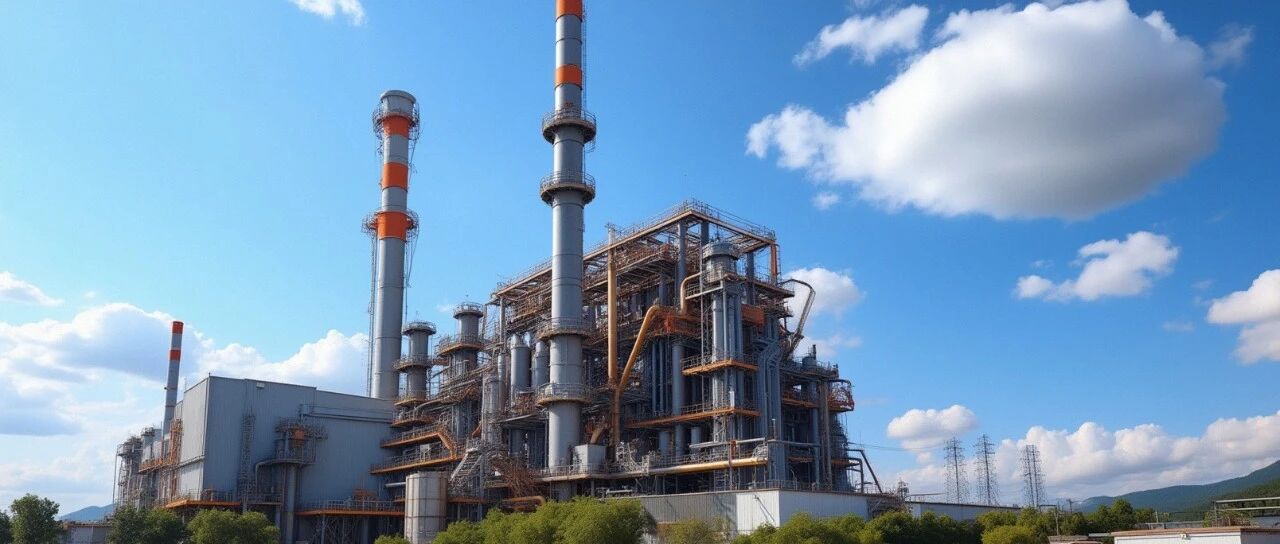
能源成本重排

Search documents
化工股集体转势:一场被低估的大周期正在重启
美股研究社· 2026-03-01 12:53
Core Viewpoint - The chemical sector is at a critical juncture, transitioning from a prolonged period of decline to a potential recovery, as the market begins to reward cyclical stocks for their certainty rather than punishing them for volatility [2][4]. Group 1: Market Dynamics - The market is currently experiencing a re-evaluation of "cyclical assets," with a focus on the underlying profit cycles rather than just technical patterns [3][6]. - The chemical industry has faced significant challenges over the past two years, with a cumulative decline of over 20% in global chemical prices and operating rates in Europe and North America dropping below 75% [4][6]. - Recent indicators show a stabilization in raw material costs, a return of global manufacturing PMI above the neutral line, and improvements in downstream demand from sectors like automotive and semiconductors [6][10]. Group 2: Investment Paradigms - The divergence between Dow Inc. and Linde plc illustrates two distinct paradigms in cyclical investment: high-beta assets with significant profit elasticity versus stable, high-return-on-investment (ROIC) assets [7][8]. - Dow's performance is characterized by high sensitivity to commodity price fluctuations, while Linde offers stable cash flows and lower profit volatility, appealing to risk-averse investors [7][8]. Group 3: Structural Changes - Structural changes in the industry, such as the reshaping of energy costs and a shift in downstream demand towards more sustainable sectors, differentiate the current cycle from previous ones [10][11]. - The consolidation of the industry has enhanced the pricing power of leading firms, leading to reduced volatility in profit cycles [10]. Group 4: Future Outlook - The current market phase is transitioning from a focus on high volatility to one that values stability and certainty, indicating a potential new super cycle for the chemical sector [12]. - Investors are encouraged to view cyclical stocks as part of a long-term asset allocation strategy rather than short-term trading tools, recognizing the potential for sustained growth in the chemical sector [12].