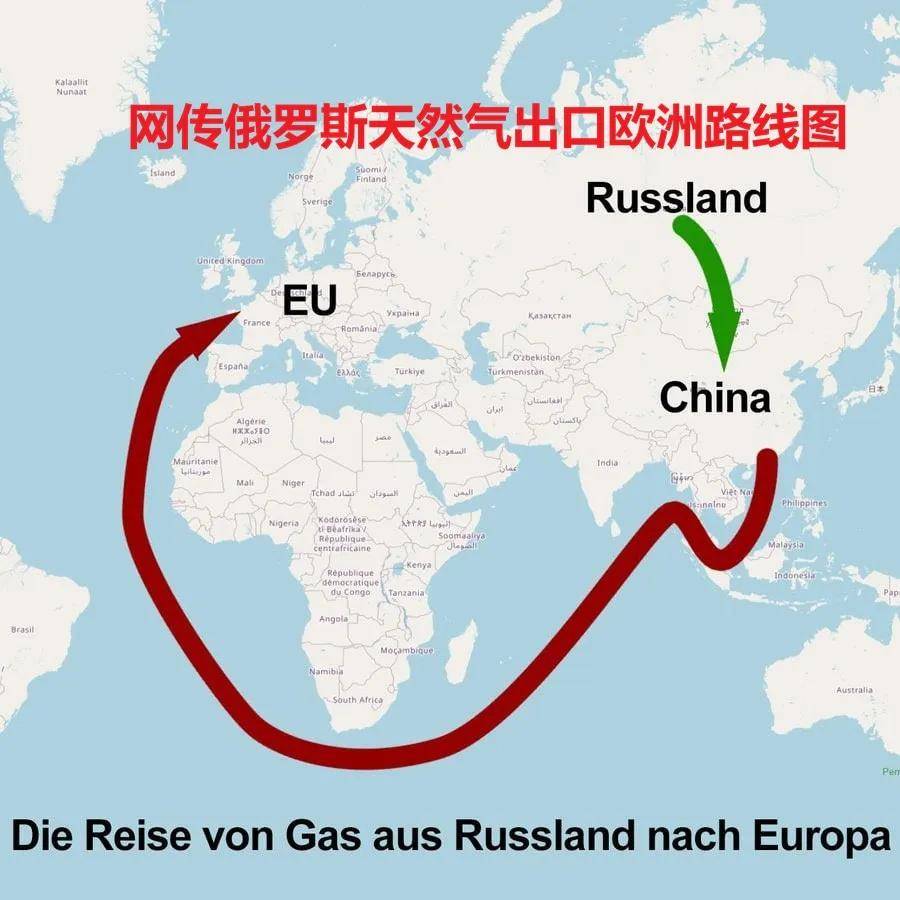
能源贸易双重标准

Search documents
最近欧盟熄火了,不再趾高气扬地指责第三国购买俄罗斯液化天然气
Sou Hu Cai Jing· 2026-02-23 08:23
Core Insights - The global energy trade landscape is undergoing significant changes, with European institutions that previously criticized others for purchasing energy now remaining silent [1] - Russian export data indicates that by 2025, over 50% of liquefied natural gas (LNG) will be sold to the Asia-Pacific region, totaling more than 16 million tons, while Europe still accounts for 44% of total sales with imports reaching 13.6 million tons [1] - The hypocrisy of European nations is highlighted as they continue to import energy while publicly condemning others for similar actions [1] Group 1 - Burkina Faso's foreign minister publicly questioned the double standards in energy trade, noting that France paid over $2.5 billion to Russia for gas in a year while European countries continue to engage in trade with Russia despite sanctions [3] - This behavior undermines international moral standards and reveals the political motivations behind energy trade [3] - The U.S. is attempting to use energy exports as a geopolitical tool, offering high-priced gas orders to entice other countries, but allies struggling with energy dependence lack bargaining power [3] Group 2 - Some nations that claim to have a strong stance on energy sanctions are actually purchasing gas in quantities comparable to major energy producers, raising questions about the industrial needs for this gas [5] - The rigid energy strategy of Germany has led to a significant decline in industrial output and a sharp rise in living costs, ultimately impacting ordinary citizens [5] - The lack of strategic flexibility is causing traditional European industrial powers to lose competitiveness in the energy market [5] Group 3 - The value-based criticisms from Western countries are merely a smokescreen to mask their own self-interest in the energy trade [7]