
自满情绪

Search documents
彭博社:散户贪婪之际,聪明钱开始削减美股多头仓位
美股IPO· 2025-08-01 08:50
Core Viewpoint - The current market sentiment has shifted from "fear" to "greed," with retail investors showing heightened speculative enthusiasm, while "smart money" such as hedge funds is retreating from equities [1][2][3]. Group 1: Market Sentiment and Hedge Fund Behavior - Hedge funds, represented by macro and quantitative funds, have shown a clear disinterest in stocks, with their overall return rates lagging approximately five percentage points behind the S&P 500 index [4]. - Historical data indicates that when "smart money" is shorting stocks while retail investors are going long, the stock market tends to perform poorly in the following one to three months [6]. - The average returns for the S&P 500 index in such scenarios are projected to be -0.1%, 0.2%, and 1.6% over the next one, two, and three months, respectively, all significantly below historical averages of 0.7%, 1.4%, and 2.3% [8]. Group 2: Indicators of Greed and Market Vulnerability - The rise of speculative stocks, as evidenced by the record surge in Goldman Sachs' "most shorted stocks basket," indicates a growing greed among retail investors [9]. - The options market has shifted from a "fear" dominated phase to a "greed" dominated phase, with implied volatility of out-of-the-money call options outperforming that of put options, and the VIX index declining [9][10]. - A decrease in implied volatility across various asset classes suggests that the market is not adequately responding to significant events, such as trade wars, indicating a potential complacency [11]. Group 3: Low Correlation and Potential Risks - The article discusses the concept of implied correlation among stocks, where low correlation indicates that stocks are moving independently rather than in unison [14]. - Low correlation can artificially suppress the VIX index during stable market conditions, but in a downturn, stocks may start to move in sync, leading to a rapid increase in correlation and a spike in the VIX, creating a vicious cycle of selling [14]. Group 4: Contrarian Perspective - Interestingly, recent data from Nomura Securities suggests that CTA funds have recently abandoned short positions, reaching their highest long positions in three years [15]. - The potential risk associated with this behavior is highlighted, as these funds may be chasing a stubborn rebound, which could lead to significant losses if their timing is incorrect [15].

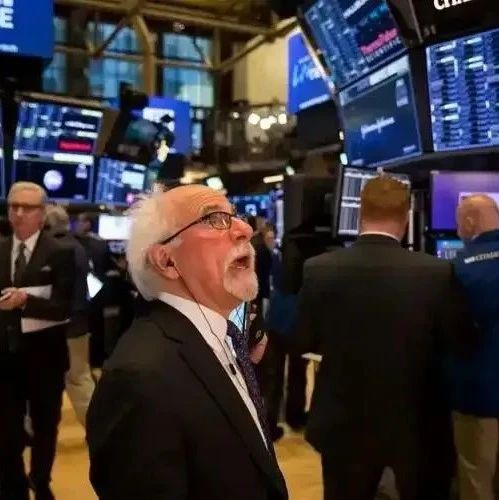
警惕“自满情绪”!高盛:狂欢的美股忽视了重大风险
Zhi Tong Cai Jing· 2025-07-30 07:05
Group 1 - The core viewpoint is that the current optimism in the U.S. stock market may be premature, as there are significant downside risks that investors might be overlooking [1] - Goldman Sachs' chief global equity strategist, Peter Oppenheimer, warns that while tariffs may not lead to a full-blown recession, their impact on the stock market could be more severe than anticipated [1] - Oppenheimer suggests that now is a good time to consider diversifying investments, as stock valuations are high and risk premiums have decreased [1] Group 2 - Oppenheimer emphasizes the importance of patience and maintaining a diversified portfolio, cautioning against mistaking market rebounds for risk-free gains [2] - He notes that the current generation of investors, raised in a near-zero interest rate environment, may be overly focused on short-term fluctuations [2] - Even if the U.S. avoids an economic recession due to tariffs, broader market exposure may still be necessary for investors in a volatile and uncertain market [2]