自由市场主义

Search documents
智利“右转”,如何牵动全球锂业神经
首席商业评论· 2025-12-17 02:05
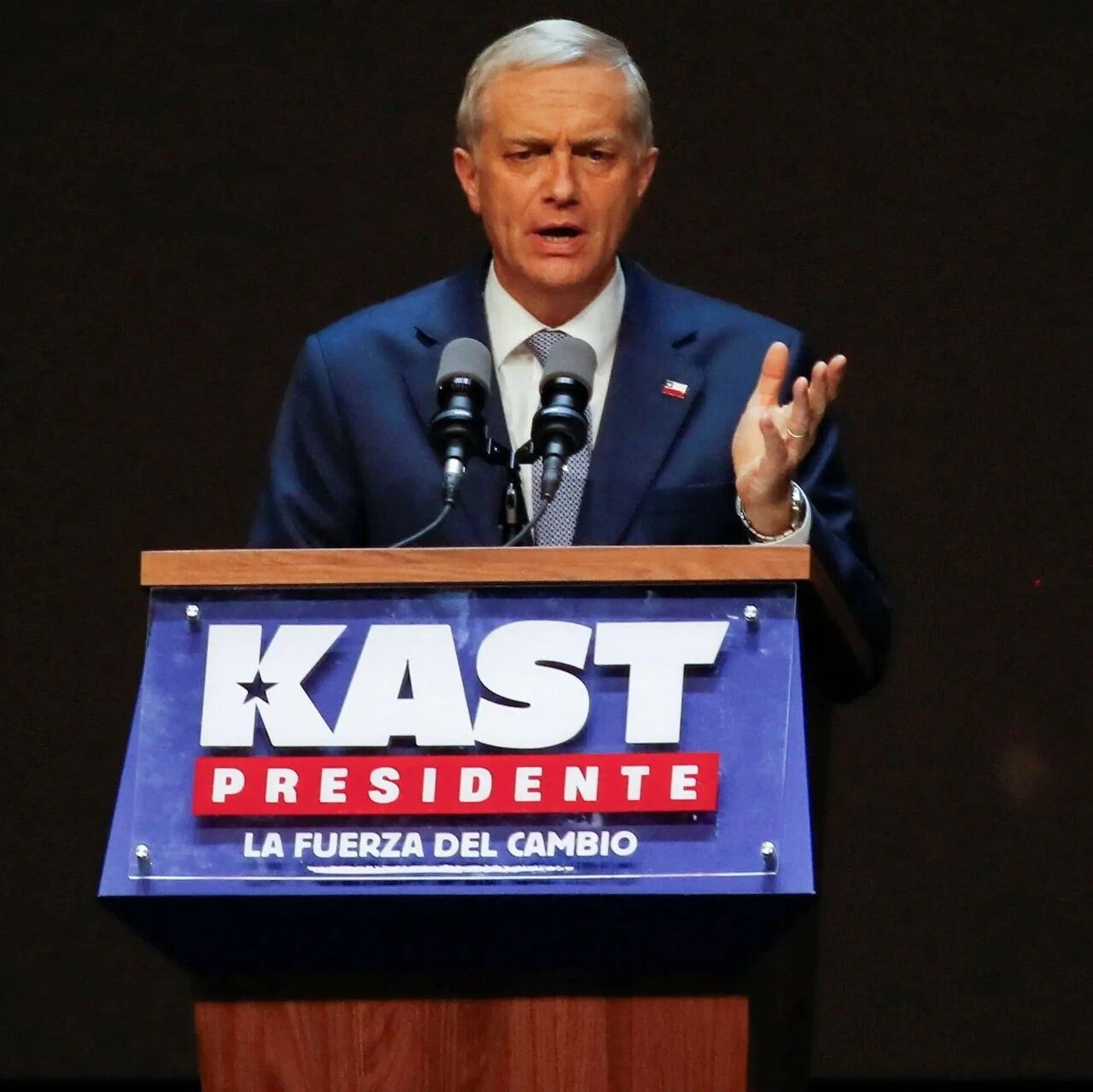
Core Viewpoint - The election of José Antonio Kast marks a significant political shift in Chile, transitioning from a leftist to an extreme right leadership, particularly impacting the country's lithium industry, which is crucial for global supply chains [3][5][7]. Group 1: Political Shift and Economic Implications - Kast's victory represents a dramatic political swing in Chile, completing a near 180-degree turn from radical left to extreme right within four years [3][5]. - Chile holds approximately 31% to 34% of the world's lithium resources, supplying nearly 40% of the global market, making it a critical player in the lithium industry [5][7]. - Kast's economic philosophy emphasizes a return to free-market principles, contrasting sharply with the previous administration's focus on state control over strategic resources like lithium [15][20]. Group 2: Social and Ideological Changes - Kast's administration is expected to reinforce conservative social values, opposing progressive movements related to LGBTQ+ rights and women's rights, which could lead to renewed cultural conflicts in Chilean society [19][21]. - His strong stance on crime and immigration, including a "zero tolerance" policy, aims to address public safety concerns but may provoke humanitarian criticisms [17][19]. Group 3: International Relations and Lithium Cooperation - Despite the political changes, the fundamental economic relationship between China and Chile is likely to remain stable, as China is Chile's largest trading partner, with about 65% of lithium exports going to Asia [23][25]. - Kast's government may alter the lithium development model, potentially allowing for more private investment and participation from Chinese companies, which could reshape the dynamics of lithium resource management [27][29]. - The shift in Chile's foreign policy may lead to closer ties with the U.S., impacting the strategic positioning of Chilean lithium within global supply chains [27][29].

智利“右转”,如何牵动全球锂业神经
首席商业评论· 2025-12-16 04:17
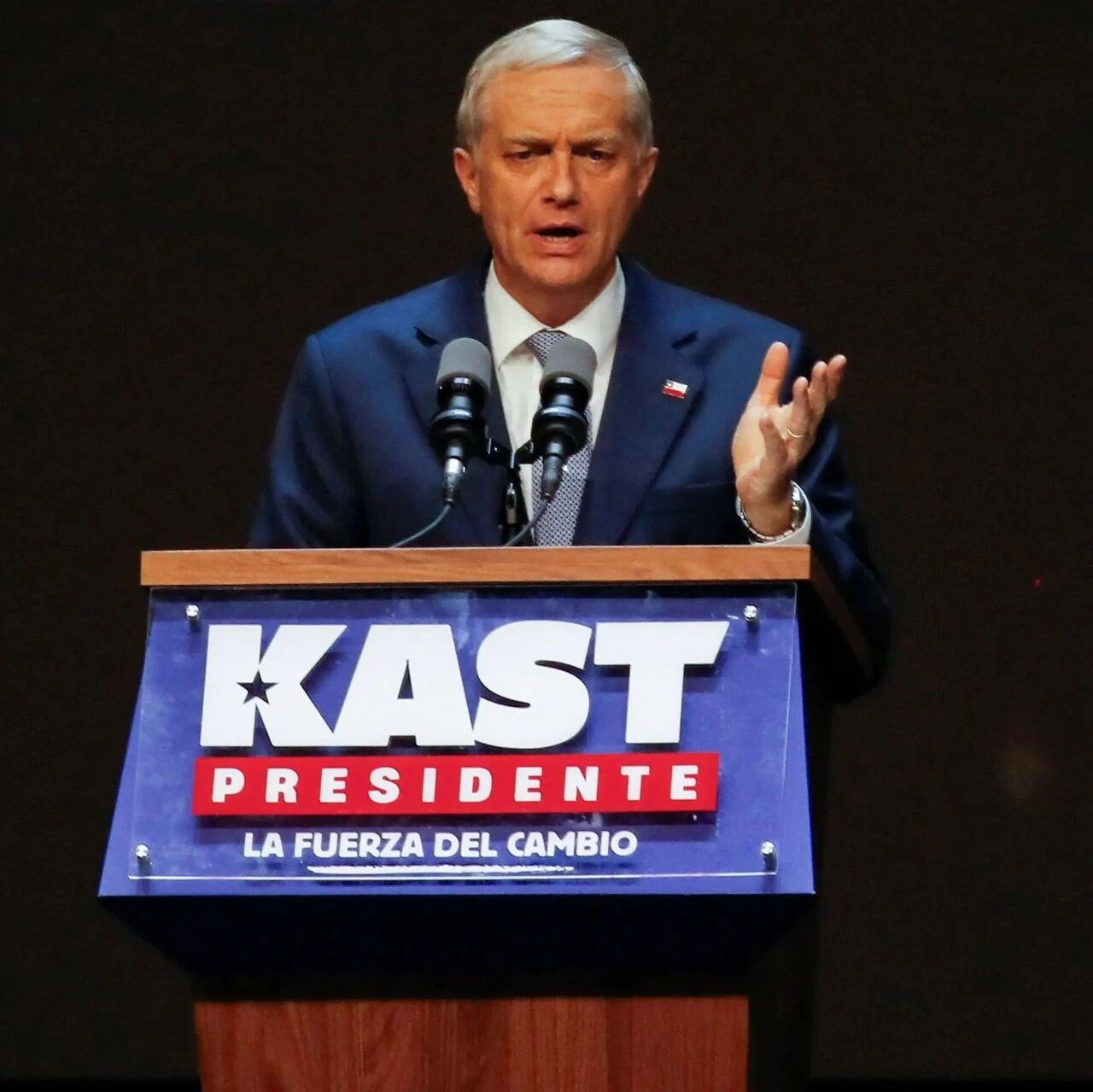
Group 1 - The election of José Antonio Kast marks a significant political shift in Chile, moving from a leftist to an extreme right leadership, reflecting a near 180-degree turn in the country's political landscape within four years [3][5][9] - Chile possesses approximately 31% to 34% of the world's lithium resources, making it the largest lithium producer globally, supplying nearly 40% of the market, which is crucial for the global economy [5][7] - Kast's victory is seen as a response to the dissatisfaction with the previous government's handling of the economy and security issues, indicating a potential shift in Chile's economic and social policies [21][29] Group 2 - Kast's economic policies will focus on free-market principles, including significant cuts to public spending, with a plan to reduce government expenditures by up to $6 billion within 18 months [15][17] - His administration is expected to adopt a hardline stance on crime and immigration, proposing measures such as deploying the military to high-crime areas and constructing physical barriers at borders [17][19] - The ideological shift under Kast may lead to a rollback of progressive social policies, particularly concerning LGBTQ+ rights and women's rights, which could ignite new cultural conflicts in Chile [19][20] Group 3 - The relationship between China and Chile is expected to remain stable despite the political changes, as China is Chile's largest trading partner, with about 65% of Chile's lithium exports going to Asia [23][25] - Kast's government may alter the approach to lithium mining, potentially allowing for more private investment and less state control, which could benefit Chinese companies involved in lithium extraction [27][29] - There may be a shift in regional cooperation dynamics, as Kast might prefer bilateral negotiations over multilateral agreements like the proposed "Lithium OPEC," impacting the regional lithium market [27][29]