舆论风险

Search documents
李嘉诚不是重点,重点是这套逻辑正在伤害谁
Sou Hu Cai Jing· 2026-02-04 15:12
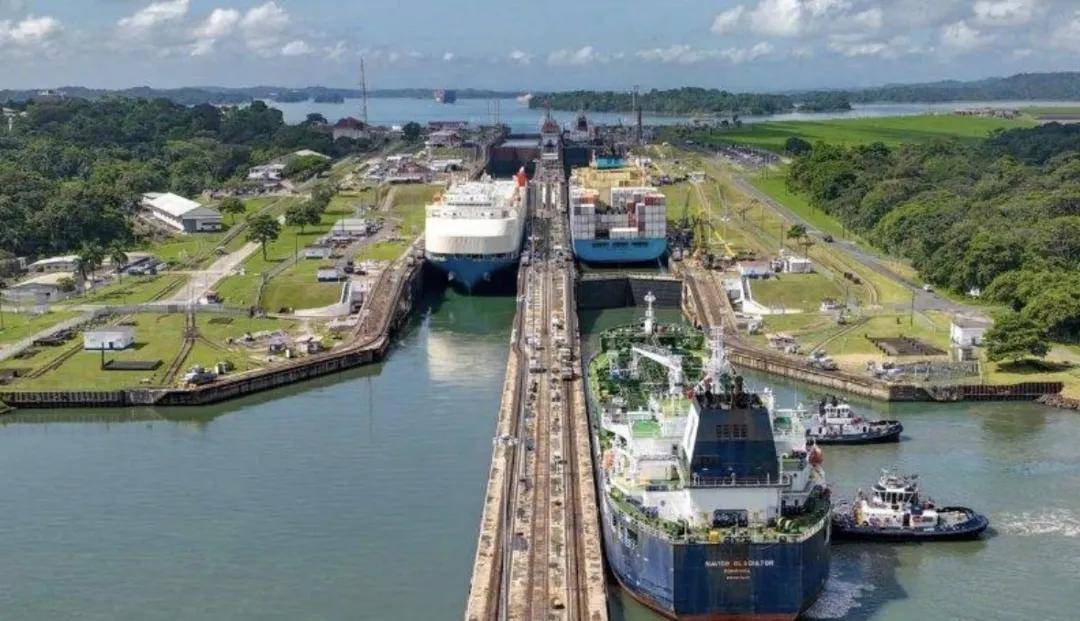
Core Viewpoint - The situation surrounding Li Ka-shing's port operations in Panama has shifted dramatically, highlighting the intersection of business, politics, and public sentiment in international investments [1][3]. Group 1: Background and Context - Li Ka-shing's company has operated two key ports in Panama since 1997, investing over $1.8 billion in infrastructure and operations [6]. - The ports are critical nodes in global trade, connecting major shipping routes [6]. - The initial decision to sell the ports was framed as a standard business exit, but it became entangled in geopolitical narratives [9]. Group 2: Legal and Political Developments - In January 2026, Panama's Supreme Court ruled that the operating agreements for the ports were illegal, leading to the government reclaiming control [12]. - The ruling raises questions about compensation for Li Ka-shing, as the classification of the agreement as illegal limits potential reparations [12]. Group 3: Implications for Stakeholders - The outcome has left Li Ka-shing with potential losses, while Chinese capital missed the opportunity to acquire the ports [13]. - The case illustrates the risks for businesses operating in politically sensitive environments, where public sentiment can redefine commercial transactions [19][20]. - The incident serves as a cautionary tale for Hong Kong businesses, emphasizing the need for risk management in the face of political narratives [19]. Group 4: Broader Industry Impact - The case reflects a trend where political considerations increasingly influence business decisions, potentially leading to reduced investment and capital flight from regions perceived as politically unstable [20]. - The erosion of legal expectations due to emotional narratives poses a significant risk to future investments [20]. Group 5: Conclusion - The situation underscores that there are no clear winners, as the emotional responses surrounding the case have not translated into tangible benefits for any party involved [23][24].