舒适革命

Search documents
日系退潮,中国领航:美的推动中央空调技术话语权东移
第一财经· 2026-03-13 16:16
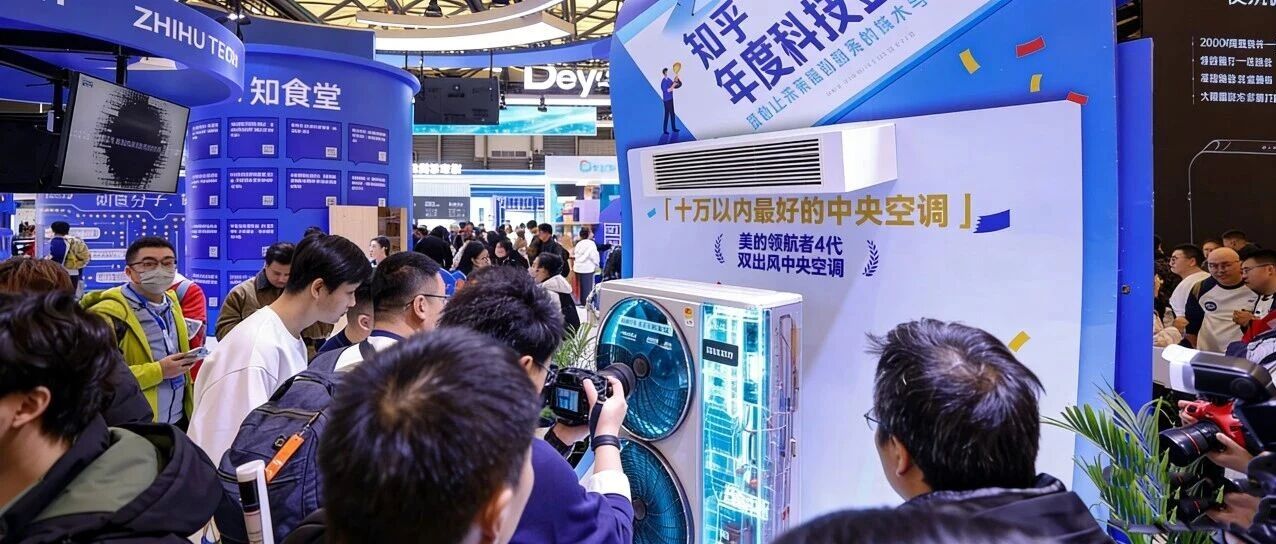
Core Viewpoint - The air conditioning industry is undergoing a significant transformation, with domestic brands like Midea surpassing traditional Japanese brands in technology and market leadership [1][3][15]. Industry Development Stages - The central air conditioning industry has experienced three key phases: 1. Foreign monopoly period (1993-2005) where Japanese brands held over 90% market share with high prices [3]. 2. Rise of domestic brands (2006-2015) where Midea and others improved market share to 36.2% and reduced prices to 60% of Japanese brands [3]. 3. Full popularization and domestic leadership (2016-present) with Midea leading the market with a 36% share by 2025 [3]. Competitive Landscape - Japanese brands like Daikin and Mitsubishi have historically dominated the market with advanced technology, but domestic brands are now competing effectively [4][6]. - Midea has positioned itself as a "global leading technology breaker," focusing on core technologies to challenge foreign brands [3][15]. Technological Innovations - Midea's ACE low-frequency steady-state system represents a comprehensive solution for air conditioning, focusing on user comfort, energy efficiency, and noise reduction [6][11]. - The system allows for stable output at low frequencies, addressing the common issue of high-frequency systems being inefficient for small spaces [11][12]. User-Centric Design - Midea's product development is driven by deep user insights, addressing specific needs such as "small load high frequency" usage patterns in Chinese households [9][14]. - Innovations include dual air outlet options to improve heating efficiency and user comfort, reflecting a commitment to understanding real user scenarios [14]. Market Trends and Future Outlook - The demand for home central air conditioning is expected to grow as residential design trends favor aesthetic installations and fewer units [18]. - Midea's success is not only reflected in market share but also in the necessity for competitors to follow its lead in technology and user experience [19]. Conclusion - Midea is leading a "comfort revolution" in the air conditioning industry, redefining value metrics away from imported labels to genuine solutions for local consumer needs [16][20].


新老内衣品牌鏖战 黛安芬竞争失利
Zhong Guo Jing Ying Bao· 2025-11-28 21:10
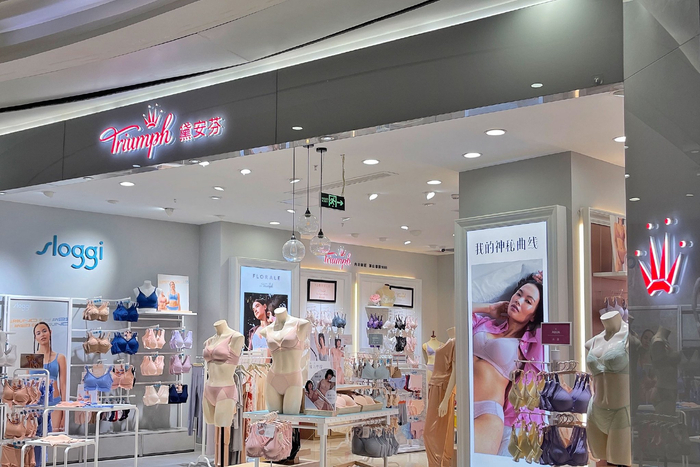
Core Viewpoint - Triumph Group, the parent company of the well-known lingerie brand Triumph, announced its decision to cease operations in mainland China by December 31, 2025, due to an inability to adapt to changing consumer demands and competitive dynamics in the market [2][4][5]. Company Summary - Triumph, founded in 1886, was one of the first foreign brands to introduce underwire bras to the Chinese market and had established over a thousand stores at its peak [4][5]. - The brand has begun closing its physical stores, with some locations already offering clearance sales and discounts ranging from 4.5% to 8.5% off [3][4]. - Online sales channels will also be phased out, with the last day for after-sales service on various platforms set for December 5, 2025 [2][3]. Industry Summary - The lingerie market in China has shifted from a focus on underwire bras to a preference for comfort, with over 70% of the market now favoring wireless bras [4][5]. - New emerging brands that emphasize comfort, such as Ubras and Neiwai, have gained significant market traction, often outperforming traditional brands like Triumph in online sales [6][7]. - The competitive landscape is characterized by a fragmented market, with Triumph holding less than 1% market share, while local brands are rapidly gaining ground [5][9]. - Traditional brands are facing challenges due to slow product innovation and reliance on outdated sales channels, while new brands leverage online marketing and innovative product designs to attract younger consumers [6][8][9].