
航天员洞穴训练

Search documents
我国28名航天员进行洞穴训练,没想到背后有这么多的故事!
Xin Lang Cai Jing· 2026-01-19 12:00
Core Insights - The article discusses China's first astronaut cave training, which was successfully completed by the end of 2025, involving 28 astronauts who underwent rigorous training in a natural cave environment [1][3] - The training aimed to enhance astronauts' psychological resilience and prepare them for long-duration missions in space, including potential lunar landings [4][11] Group 1: Training Overview - The cave training lasted for 6 days and 5 nights in conditions with an average temperature of 8 degrees Celsius and humidity of 99% [1] - Astronauts completed over 10 training subjects, including environmental monitoring, cave mapping, simulated communication, and team psychological behavior training [1][4] - The training was designed to mimic the extreme conditions of space, such as isolation and limited resources, to better prepare astronauts for future missions [4][11] Group 2: Exploration and Preparation - The astronaut selection and training team undertook a challenging exploration journey, traveling over 20,000 kilometers across 7 provinces to find suitable caves for training [4][6] - Initial explorations faced difficulties, including a lack of experience and safety challenges, leading to a greater appreciation for safety protocols [5][6] - After extensive scouting, a cave in Chongqing's Wulong District was selected for its geological stability and environmental similarity to space [7][11] Group 3: Training Execution - Pre-training was conducted by a team of instructors to validate the training plan, facing unexpected challenges such as narrow passages and communication failures [9][10] - The training emphasized autonomy and teamwork, allowing participants to take initiative and manage crises effectively [12] - The cave training was integrated with jungle training to enhance survival skills in diverse environments, further preparing astronauts for various mission scenarios [13][14]

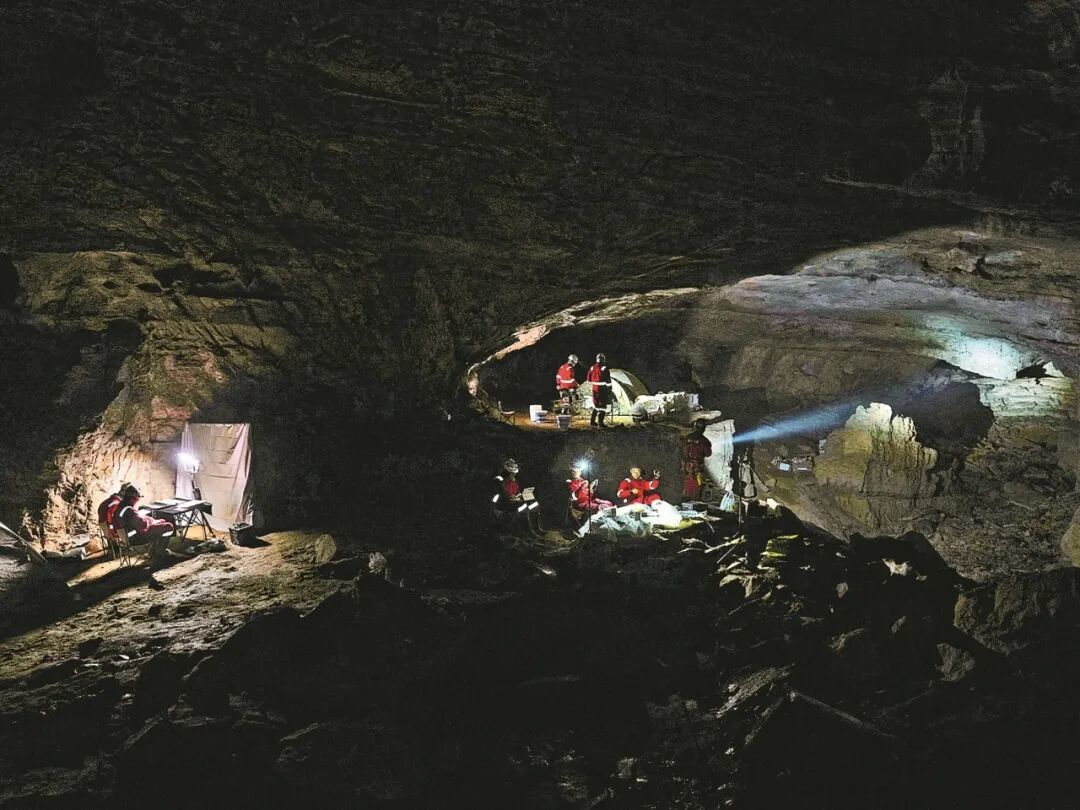
我国首次航天员洞穴训练圆满完成 洞穴是怎样选定的 训练难度有多大
Xin Lang Cai Jing· 2026-01-06 18:32
Group 1 - The first astronaut cave training in China was successfully completed in a natural cave in Wulong, Chongqing, which was selected for its challenging environment that simulates extreme conditions of space [1][2] - The selection process involved extensive evaluations of multiple caves across several provinces, considering factors such as difficulty, safety, and accessibility [1][2] - The training required astronauts to live and work in the cave for 6 days and 5 nights, necessitating the transport of hundreds of kilograms of supplies and equipment [1] Group 2 - The core tasks of the cave training included environmental monitoring, cave mapping, simulated communication with ground control, and team psychological behavior training, with over ten specific tasks completed [4] - The psychological challenges faced by astronauts included sensory deprivation, uncertainty of risk, and social isolation, with significant emphasis on adapting to the dark and confined environment [4][5] - Data collected during the training on psychological changes in extreme environments will contribute to future astronaut training and mission planning [5]
挑战超乎想象!8℃、湿度99%、6天5夜 | 解锁“太空特训”↓
Yang Shi Wang· 2026-01-06 03:31
Core Viewpoint - The successful completion of China's first astronaut cave training in Chongqing demonstrates the importance of simulating extreme conditions similar to those in space for enhancing astronauts' skills and capabilities [1][18]. Group 1: Training Objectives and Environment - The cave environment shares similarities with extreme conditions in space, such as confinement and high risk, making it a suitable training ground for astronauts [3]. - The training aims to improve astronauts' abilities in danger response, teamwork, scientific research, emergency decision-making, physical endurance, and psychological resilience in extreme environments [5][18]. Group 2: Training Activities and Challenges - During the 6-day training, astronauts completed over ten tasks, including several hours of cave exploration each day, which is comparable to high-intensity extravehicular activities [7]. - Astronauts faced various physical challenges, such as climbing and descending cliffs using rope techniques, crawling through narrow passages, and conducting scientific tasks like cave mapping and environmental monitoring [7][10]. Group 3: Team Dynamics and Psychological Aspects - The training tested the team's cohesion and adaptability, with scenarios such as a "teammate injury" requiring quick emergency decision-making and collaborative problem-solving [14]. - The dark environment posed significant psychological challenges, including feelings of cold and time distortion, which were addressed through daily group sharing and support from psychological experts [16]. Group 4: Implications for Future Missions - The successful implementation of this training marks a significant step towards a more comprehensive and practical astronaut training system, providing strong support for longer-duration missions on the space station and future crewed lunar landings [18].

洞穴训练帮助航天员更好执行载人登月任务
Xin Hua She· 2026-01-06 02:00
Core Viewpoint - The successful completion of China's first astronaut cave training in Wulong, Chongqing, is aimed at better preparing astronauts for manned lunar missions [2] Group 1 - The cave training was conducted by the China Astronaut Research and Training Center [2] - The training is designed to enhance astronauts' capabilities for executing lunar landing tasks [2]
航天员“探洞”:幽闭6天5夜 断崖攀爬垂降 挑战湿冷与极限
Nan Fang Du Shi Bao· 2026-01-05 23:11
Core Viewpoint - The recent cave training conducted by 28 Chinese astronauts in Chongqing's Wulong District simulates extreme space conditions, enhancing their capabilities for future space missions [7][15]. Group 1: Purpose of Cave Training - The cave environment shares similarities with extreme conditions in space, such as isolation, confinement, and darkness, which are crucial for preparing astronauts for long-duration missions and lunar landings [8]. - The training aims to improve astronauts' abilities in risk response, autonomous work, teamwork, emergency decision-making, scientific investigation, physical endurance, and psychological resilience in extreme environments [8][14]. Group 2: Selection of Training Site - The chosen cave was selected from numerous candidates based on its complexity, safety, and the presence of essential resources, ensuring a stable geological structure and safe air quality [9]. - The site in Wulong was deemed ideal after extensive evaluations, including monitoring radon gas levels to ensure safety for the astronauts [9]. Group 3: Training Challenges - Astronauts faced significant challenges, including navigating narrow passages, climbing steep cliffs, and completing hidden tasks that tested their emergency decision-making and teamwork [10]. - The psychological challenges included sensory deprivation and the stress of operating in complete darkness, which were critical aspects of the training [11]. Group 4: Training Outcomes - The training successfully enhanced the astronauts' capabilities and fostered trust and collaboration among team members, with participants reporting significant personal growth and skill development [12][14]. - The training also provided valuable data on psychological changes in extreme environments, which will support future missions to the space station and lunar exploration [11][15].
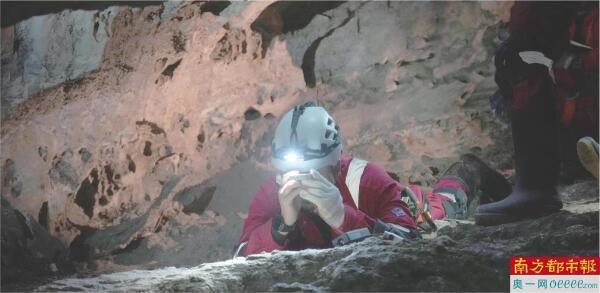
我国首次航天员洞穴训练完成
Xin Lang Cai Jing· 2026-01-05 21:46
Core Viewpoint - The first cave training for astronauts in China has successfully concluded in Wulong District, Chongqing, involving 28 astronauts over nearly a month of rigorous training [2] Group 1: Training Overview - The cave training was organized by the China Astronaut Research and Training Center, featuring over ten subjects including environmental monitoring, cave mapping, simulated communication, and team psychological behavior training [2] - Astronauts were divided into four groups, each spending 6 days and 5 nights in a natural cave with an average temperature of 8 degrees Celsius and humidity reaching 99% [2] Group 2: Challenges Faced - During the training, astronauts had to complete tasks related to cave exploration, scientific research, resource management, and life support while facing challenges such as navigating narrow passages, climbing cliffs, enduring prolonged wet and cold conditions, and extreme physical tests [2] - Participants also had to overcome psychological challenges including fear of darkness and sensory deprivation [2]
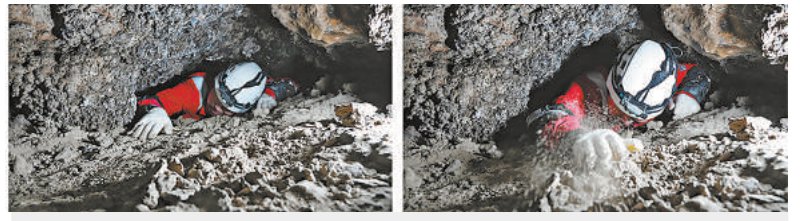
洞穴训练圆满完成
Xin Lang Cai Jing· 2026-01-05 16:39
Group 1 - The first astronaut cave training in China was successfully completed in a natural cave in Wulong, Chongqing, which was selected for its challenging environment that simulates extreme conditions of space [2][3] - The selection process for the cave involved extensive evaluations across multiple provinces, considering factors such as safety, geological stability, and accessibility for logistics [3][4] - The training included a six-day, five-night stay in the cave, where astronauts faced challenges related to isolation, darkness, and psychological stress, which are critical for preparing for long-duration space missions [5][6] Group 2 - The core tasks of the cave training involved environmental monitoring, cave mapping, simulated communication with ground control, and team psychological behavior training, with over ten specific tasks completed [6][8] - The training aimed to enhance astronauts' abilities in risk management, teamwork, emergency decision-making, scientific investigation, physical endurance, and psychological resilience in extreme environments [8][9] - Feedback from participants indicated that the training met its objectives, improving the astronauts' capabilities to handle complex environments and fostering better integration among team members [9]
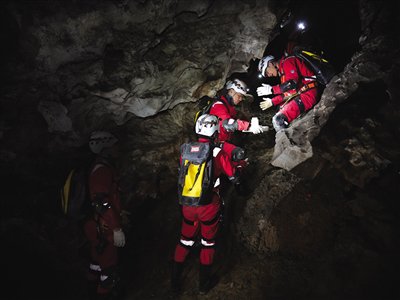
1月5日晚间央视新闻联播要闻集锦
Yang Shi Xin Wen Ke Hu Duan· 2026-01-05 14:11
Group 1 - Xi Jinping held a welcoming ceremony for South Korean President Yoon Suk-yeol's state visit to China on January 5 [8] - Xi Jinping met with South Korean President Yoon Suk-yeol for discussions in Beijing on January 5 [9] - Xi Jinping also met with Irish Prime Minister Martin during his official visit to China on January 5 [9] Group 2 - The State Council Information Office held a press conference to introduce the achievements and progress of the Yangtze River Economic Belt development over the past ten years [15]
洞穴环境极端、科目设置丰富、全员收获满满、训练达到预期——参训航天员和教员解读我国首次洞穴训练
Xin Hua She· 2026-01-04 23:30
Core Insights - The first cave training for Chinese astronauts was successfully completed in Chongqing, which simulates extreme conditions similar to those in space [1][6] - The training aims to enhance astronauts' capabilities in risk management, teamwork, emergency decision-making, scientific exploration, physical endurance, and psychological resilience in extreme environments [5][6] Selection of Cave Environment - The cave was chosen for its challenging and safe environment, with considerations for geological stability, air quality, water sources, and accessibility [1][2] - The selected cave in Wulong, Chongqing, features a main passage for work and living, along with numerous side passages for exploration [2] Training Structure and Challenges - Astronauts lived and worked in the cave for 6 days and 5 nights, facing challenges in transporting hundreds of kilograms of supplies and equipment [2] - The training included over 10 tasks such as environmental monitoring, cave mapping, simulated communication, and team psychological behavior training [3][5] Psychological and Physical Challenges - The cave environment posed significant psychological challenges, including sensory deprivation and social isolation, which were monitored and assessed during the training [3][4] - The training provided valuable data on human psychological changes in extreme environments, which will support future missions [3] Unique Features of Training - Compared to international cave training, the Chinese program emphasizes less intervention from support teams, allowing astronauts to exercise more autonomy [4] - The training was designed to foster collaboration and integration among astronauts of different ages and backgrounds [6] Outcomes and Achievements - The training met its objectives, enhancing astronauts' abilities to cope with complex environments and improving their teamwork skills [6] - Participants reported significant personal growth and a deeper understanding of the value of exploration, both in caves and in space [5][6]