航运风险溢价

Search documents
地缘冲突推升航运风险溢价,产业链各方处境分化
第一财经· 2026-03-04 02:20
Core Viewpoint - The ongoing geopolitical conflicts in the Middle East, particularly around the Strait of Hormuz, have led to increased risks in key shipping routes, resulting in a significant rise in the container shipping index (European route) and a strong performance in the A-share shipping sector [3][5]. Group 1: Shipping Index and Market Reactions - The European container shipping index futures saw a consecutive two-day limit rise, with an 18% increase, closing at 1644.8 points on March 3 [5][6]. - Major A-share shipping stocks, including China Merchants Energy Shipping (601872.SH) and others, experienced notable gains, with some hitting the daily limit [3][5]. - Analysts attribute the surge primarily to geopolitical risk sentiment, alongside expectations of price increases from shipping companies and rising rerouting costs, although the current period is traditionally a low season for shipping [3][6]. Group 2: Market Dynamics and Challenges - The shipping industry is facing high uncertainty and strategic divergence among participants, with shipping companies showing significant differences in their actions and strategies [3][9]. - Trade merchants are experiencing dual challenges of compliance difficulties and rising cost pressures, disrupting their procurement and shipping schedules [3][12]. - The market is characterized by a "strong sentiment, high volatility, weak reality" dynamic, with short-term price movements driven more by emotions than by fundamental support [7][9]. Group 3: Structural Impacts and Long-term Outlook - The Middle East conflict has created structural differences in the impact on global shipping, with the most severe effects felt on routes passing through the Strait of Hormuz [9][10]. - The conflict is expected to lead to a long-term increase in operational costs for shipping companies, affecting the supply-demand balance and potentially leading to higher freight rates [9][10]. - There is a general expectation that the conflict will not resolve quickly, which may lead to a sustained high-risk environment for shipping operations [7][9]. Group 4: Strategies for Market Participants - Market participants are advised to adopt risk management strategies, including using financial instruments like futures to hedge against price volatility [14][17]. - Companies should monitor the security situation in the Middle East and adjust shipping schedules accordingly, while also diversifying trade and energy import sources [17][18]. - The crisis may accelerate the diversification of supply chains and highlight the vulnerabilities of global shipping logistics in the face of geopolitical conflicts [17][18].




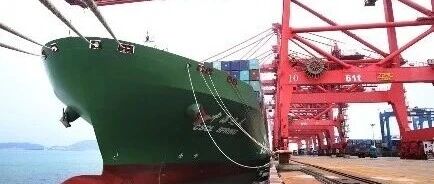
避开霍尔木兹!油轮开始绕道走,运费一周飙涨超一倍
Hua Er Jie Jian Wen· 2025-06-19 05:51
Group 1 - The outbreak of conflict in Israel has made a significant portion of global oil trade, particularly through the Strait of Hormuz, increasingly dangerous, leading to a dramatic rise in charter rates for large oil tankers [1] - The daily rental rate for a Very Large Crude Carrier (VLCC) on the route from Gulf countries to China surged from $19,998 on June 11 to $47,609 on June 18, marking an increase of 138% [1] - The rental rate for Large Range 2 (LR2) tankers also increased from $21,097 to $51,879 during the same period, significantly outpacing the 12% rise in the global crude tanker freight index [1] Group 2 - Market sentiment is influenced by concerns over Iran's ability to maintain crude oil exports amid the conflict, although there are currently no signs that Israeli attacks have impacted Iran's oil export capacity [2] - Shipping companies are becoming more cautious in the region due to signal interference issues affecting navigation, which could have substantial implications for global trade if the Strait of Hormuz is blocked [2] - A recent incident involving the Front Eagle tanker colliding with a "shadow fleet" vessel after leaving the Strait of Hormuz underscores the heightened navigation risks in the area [2]