艺术欣赏

Search documents
AI“解说员”盛行,能帮助观展人理解艺术吗
Xin Lang Cai Jing· 2026-02-01 19:21
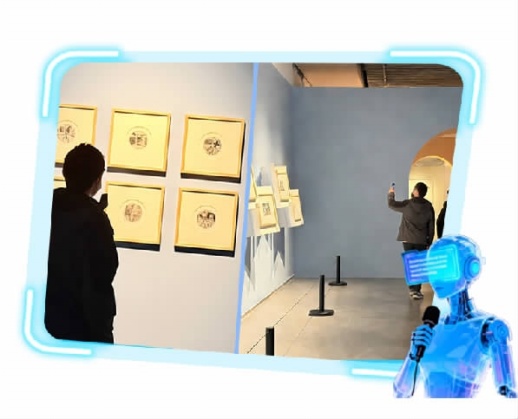
Core Insights - The integration of AI in art appreciation is becoming prevalent, with audiences using AI as a primary source of interpretation during exhibitions [2][3] - AI serves as a tool for providing background information and context, but it may overlook nuanced artistic details that contribute to the overall experience [4][5] Group 1: AI's Role in Art Interpretation - AI is increasingly being used by visitors to seek explanations and insights about artworks, transforming the way art is experienced [2][3] - The interaction between viewers and AI can enhance understanding but may also lead to a more standardized interpretation of art, potentially diminishing personal engagement [3][4] Group 2: Limitations of AI in Artistic Context - AI excels at summarizing existing knowledge but struggles with the unpredictable and subjective aspects of art, which are essential for a deeper emotional connection [4][5] - Curators recognize that while AI can provide technical analysis, it cannot capture the emotional resonance and unique experiences that art evokes in individuals [5][6] Group 3: Encouraging Personal Interpretation - The curator emphasizes the importance of allowing personal feelings and interpretations to emerge before consulting AI, as this fosters a more authentic engagement with art [6] - The experience of art should prioritize emotional responses over immediate explanations, highlighting the value of individual perception in understanding artistic works [6][7]

AI“解说员”盛行,能帮助观展人理解艺术吗
Xin Lang Cai Jing· 2026-02-01 05:52
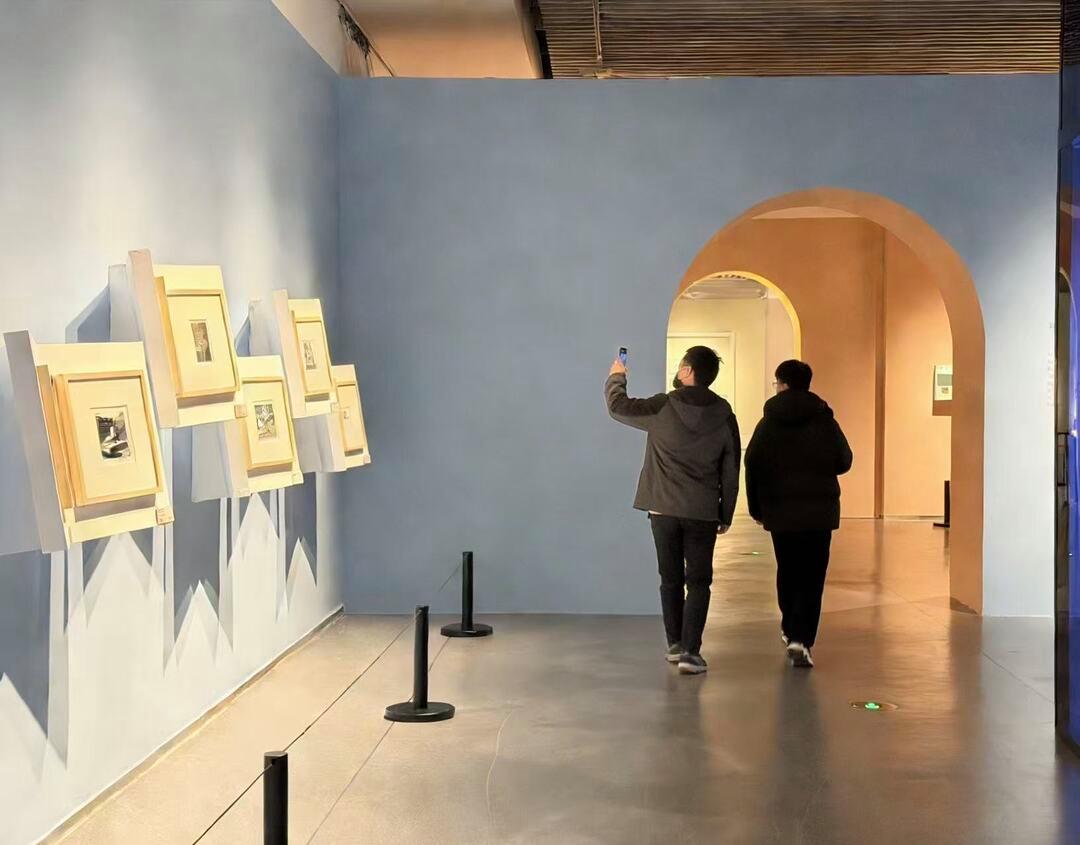
Core Insights - The article discusses the increasing integration of generative artificial intelligence (AI) in the art appreciation process, where audiences are using AI as a primary source of interpretation for artworks [1][2]. Group 1: AI's Role in Art Interpretation - AI is becoming a common tool for art viewers, who often consult it for explanations and insights about artworks before forming their own opinions [1][2]. - The use of AI provides quick and structured responses, which can enhance understanding but may also lead to a sense of loss in personal exploration of art [2][5]. Group 2: Limitations of AI in Art - Experts acknowledge that while AI can summarize and analyze artistic techniques, it struggles to grasp the subjective and unpredictable elements of art that contribute to the overall experience [5][6]. - The nuances and hidden details within artworks, referred to as "Easter eggs," are often overlooked by AI, which limits its ability to provide a comprehensive understanding of the art [5][6]. Group 3: The Importance of Personal Experience - The article emphasizes the value of personal emotional responses to art, suggesting that understanding should begin with individual feelings rather than immediate AI explanations [6]. - Engaging with art should allow for uncertainty and personal interpretation, rather than relying solely on AI for answers [6].
新年,探展!感受时光的沉淀,遇见未来的光华……
Xin Lang Cai Jing· 2026-01-02 02:02
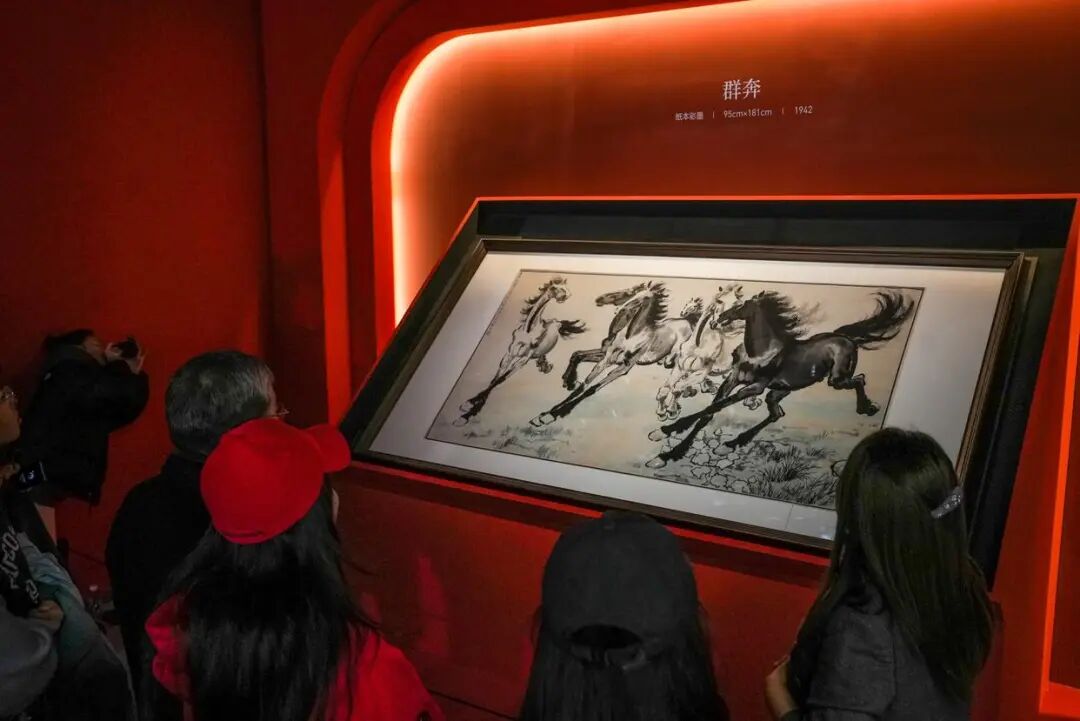
Group 1 - The article highlights various cultural exhibitions taking place in Beijing, showcasing a blend of traditional and innovative themes [1][3][6] - The "Running Horses" exhibition at the Xu Beihong Memorial Museum will feature over 200 pieces from different historical periods, emphasizing Xu Beihong's unique artistic style [3] - The "Golden Neighbors" exhibition at the Palace Museum celebrates the 50th anniversary of China-Thailand diplomatic relations, displaying over 240 artifacts that reflect Thai civilization [6] Group 2 - The "Archaeological Achievements of the Wu Wang Dun No. 1 Tomb" exhibition at the National Museum presents over 200 artifacts from the largest and most complex tomb of the Chu Kingdom, providing insights into burial customs and material culture [8] - The "Golden Threads" exhibition at the Capital Museum showcases over 170 pieces of ancient gold artifacts from the Hong Kong Palace Museum, spanning over three millennia of Chinese gold craftsmanship [10] - The "Silk Weaving of the Yuan Dynasty" exhibition at the Grand Canal Museum features restored silk artifacts, highlighting the craftsmanship of the era [12] Group 3 - The "Art of Flower Paper" exhibition at the Beijing Academy of Painting Museum presents over 100 items, tracing the evolution of Chinese flower paper from the Tang to the Republic era [15] - The "Rock and Mineral Exhibition" at the National Museum of Natural History includes a unique display of mineral specimens and a "Earth Evolution Theater" to educate visitors on geological processes [18] - The "Old Scientists' Academic Style" exhibition at the China Scientist Museum aims to promote the spirit of scientific integrity through stories of notable scientists [20] Group 4 - The "City Park Memories" exhibition at the China Garden Museum focuses on the development of Beijing parks since 1949, using immersive themes to engage visitors [23] - The "Xinjiang Hetian Intangible Cultural Heritage" exhibition at the China Arts and Crafts Museum features around 600 items representing various traditional crafts from the region [26] - The "Historical Archives of the Ming and Qing Dynasties" exhibition at the China Historical Archives Museum presents the evolution of archival work over the past century [28]
假期到博物馆赏版画艺术之美
Xin Lang Cai Jing· 2025-10-04 01:49
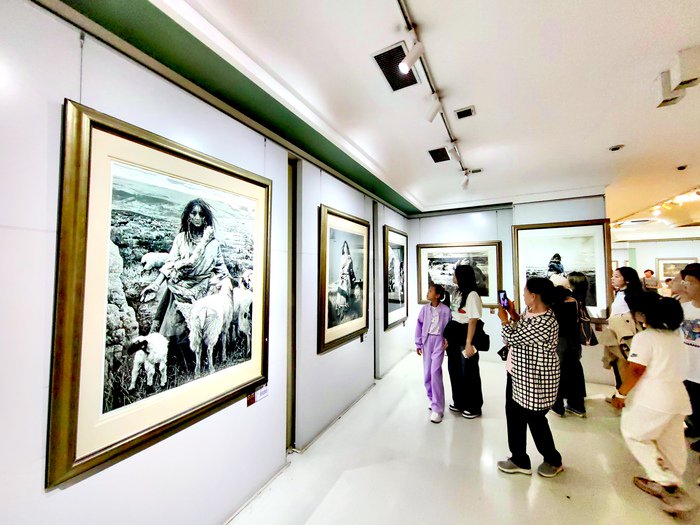
Core Points - The Haoyao Six Print Museum in Harbin has become a popular tourist destination during the National Day and Mid-Autumn Festival holiday, attracting long lines of visitors [1] - The museum features beautiful oil paintings and prints, providing an artistic experience in a luxurious setting often referred to as the "Northeast Louvre" [1] - The museum is free to enter, contributing to its status as a must-visit spot for tourists from outside the region [1]