艺术电影

Search documents
《狂野时代》的 现实困境
Xin Lang Cai Jing· 2025-12-22 23:27
Core Insights - The film "Wild Times," directed by Bi Gan, won the "Jury Special Prize" at the 78th Cannes Film Festival but is experiencing a rapid decline in box office performance and audience retention after its initial release [1][3] - The film reflects the common challenges faced by art films in the current Chinese film market, requiring viewers to have a certain level of understanding of film history and social changes to fully appreciate its themes and metaphors [1][3] Group 1 - "Wild Times" has grossed over 100 million yuan in pre-sales but is now facing significant audience loss and mixed reviews [1] - The film's narrative is set in a future where humans no longer dream, focusing on a character known as the "Dreamer" and a woman who can penetrate his illusions, exploring multiple sensory experiences across five short stories [1][2] - The film's exploration of themes such as morality and the impact of consumerism is illustrated through a storyline involving a con artist and a young girl, highlighting deeper societal issues [2] Group 2 - "Wild Times" is characterized as a distinct auteur film, reflecting Bi Gan's thoughts on cinematic experience and the fate of contemporary society, contributing to the diversity of the Chinese film ecosystem [3] - Despite its commercial challenges, the film's artistic value should not be solely measured by box office performance, as it represents a commitment to the multifaceted nature of film art [3] - The film serves as a mirror to the deeper tensions and potential pathways in the development of contemporary Chinese film culture [3]
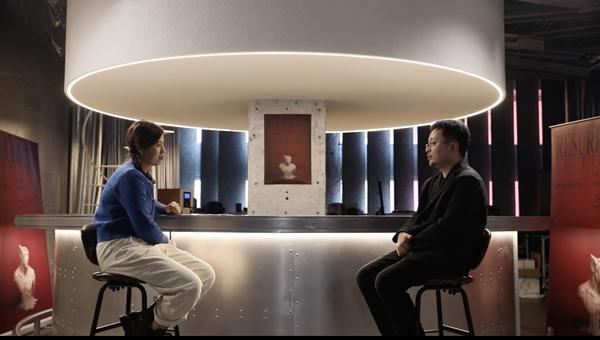
毕赣:不害怕成为一名小众的艺术电影导演
Zhong Guo Qing Nian Bao· 2025-12-17 03:34
Core Viewpoint - The film industry in China has undergone significant changes over the past decade, with the micro-short drama market expected to surpass the domestic film market in 2024. Despite this, director Bi Gan remains committed to creating niche art films, emphasizing his passion for filmmaking rather than commercial success [1][13]. Group 1: Bi Gan's Background and Artistic Journey - Bi Gan was born in 1989 in Kaili, Guizhou, and developed a unique storytelling perspective from a young age, influenced by his strict yet supportive grandmother and the diverse conversations in his mother's barbershop [2]. - He initially pursued a television directing degree in Taiyuan, where he began exploring existential themes in his films, distinguishing himself from peers who focused on campus life [3][7]. - His early exposure to philosophy and literature in a local bookstore shaped his artistic vision, leading him to view art as a means to explore profound questions [3][5]. Group 2: Career Development and Challenges - Bi Gan's first film, "Old Tiger," was made with limited resources and faced numerous technical challenges, leading him to question his suitability for filmmaking [7][8]. - After a brief stint in a wedding studio, he returned to filmmaking with "Kaili Blues," which gained recognition and attracted investment, marking the beginning of his career as a director [8][10]. - Despite initial doubts and external pressures to pursue a stable job, Bi Gan chose to follow his instinct for filmmaking, recognizing the importance of personal choice in his artistic journey [9][12]. Group 3: Recent Work and Artistic Philosophy - Bi Gan's latest film, "Wild Times," reflects his observations of contemporary life and the disconnect between individuals and the world, structured through sensory experiences rather than linear storytelling [12][13]. - He acknowledges the risks of collaborating with commercial actors but believes that a talented actor can enhance a project, maintaining that his creative logic remains unchanged despite industry shifts [13][14]. - Bi Gan emphasizes that the essence of filmmaking lies in conveying genuine emotions, regardless of the complexities involved in the process [14].