花卉产业发展

Search documents
【新春走基层·欢乐闹新春】繁花引客来
Xin Lang Cai Jing· 2026-02-14 23:01
Core Insights - The article highlights the vibrant atmosphere of flower markets across various regions in China during the Lunar New Year, showcasing the cultural significance and economic impact of these events. Group 1: Flower Market Overview - The Shenzhen Spring Flower Market opened on February 10, 2026, featuring a variety of flowers and cultural activities, becoming a cherished tradition for locals since its inception in 1982 [1][2] - The market includes six core areas: flower sales, food, traditional goods, creative products, agricultural products, and pet supplies, enhancing the overall experience for visitors [1] - The flower market in Nanchang has attracted over 150,000 visitors on its opening day, with nearly 70% of flower vendors achieving record sales [7] Group 2: Sales Performance and Trends - In Fujian Province, the sales of butterfly orchids have surged, with a daily sales volume of around 3,000 units, totaling approximately 100,000 units sold so far [3][4] - The butterfly orchid market in Zhangpu has seen a 60% increase in overall sales compared to previous years, driven by strong demand and innovative product offerings [5] - The flower market in Xi'an reported sales of nearly 5,000 butterfly orchids in just one week, indicating a robust demand for festive flowers [9] Group 3: Cultural and Community Engagement - The flower markets are not just for purchasing flowers; they also feature cultural performances, interactive activities, and community engagement, enhancing the festive atmosphere [2][6] - In Lhasa, the flower market incorporates local traditions with products like the Rosamaido, blending cultural heritage with modern floral arrangements [10][11] - The integration of local cultural elements and innovative marketing strategies has made these flower markets a focal point for community celebration and economic activity during the New Year [5][10]
在济南,年味有了更芬芳的表达
Feng Huang Wang Cai Jing· 2026-02-01 00:55
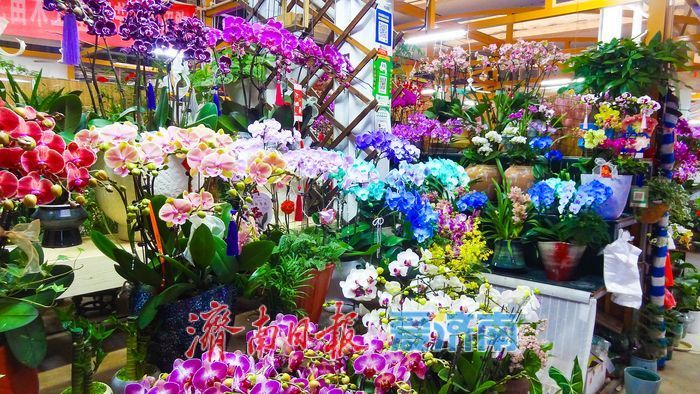
Core Viewpoint - The flower market in Jinan is experiencing a significant surge in sales ahead of the Spring Festival, driven by a well-established flower industry that combines large-scale cultivation, technological innovation, and comprehensive supply chain management [1][6][11]. Group 1: Market Dynamics - The Jinan flower market has transitioned into a vibrant spring festival hub, with a substantial increase in the variety and quantity of New Year flowers available, exceeding previous years' offerings [2][4]. - A specific market introduced over 300,000 pots of various flowers to meet the diverse needs of consumers for home decoration and visiting relatives [2]. - Traditional flowers like orchids remain popular, with sales reportedly doubling compared to regular periods, and pre-orders being made weeks in advance [4][6]. Group 2: Industry Foundation - Jinan's flower industry is supported by a robust foundation, with a planting area of 59,000 acres and a sales revenue of 1.28 billion yuan in 2024, contributing significantly to rural revitalization [6][8]. - The city has established five specialized flower industry clusters, enhancing regional, standardized, and large-scale production [8]. - The presence of leading enterprises in the flower industry has increased, with 17 companies achieving annual revenues exceeding 10 million yuan, promoting a collaborative model that connects farmers with market demands [8][9]. Group 3: Technological Advancements - The adoption of advanced planting technologies, such as tidal irrigation and smart environmental control, has mitigated climate constraints, ensuring stable supply during the winter season [9][11]. - Local research initiatives have led to the development of new flower varieties and improved production techniques, enhancing the competitiveness of Jinan's flower products [13][14]. Group 4: Brand and Market Integration - Jinan is focusing on brand development and integrating the flower industry with tourism and wellness sectors, creating a more diverse consumer experience [14]. - The city has hosted numerous flower markets, attracting thousands of merchants and establishing a regular, branded consumption environment [14]. - Skills training initiatives in floral arts have been implemented to cultivate high-quality talent for the industry, contributing to its growth and innovation [14].

国网张掖供电公司:护航千亩玫瑰绽放“浪漫经济”
Zhong Guo Neng Yuan Wang· 2025-06-24 09:18
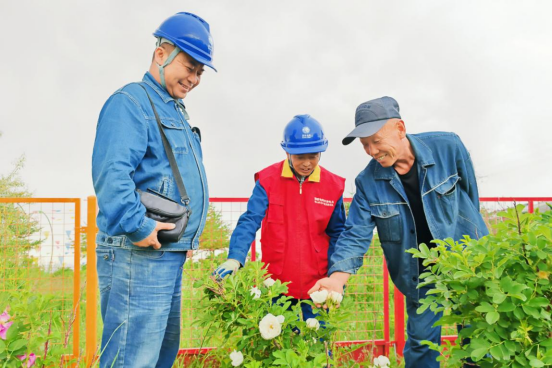
Core Insights - The rose industry in Laojun Township has transformed a previously barren land into a prosperous agricultural sector, benefiting local residents through rose cultivation and related products [1][3]. Group 1: Industry Overview - Laojun Township is home to a 5,600-acre rose agricultural industry base, which integrates rose planting, processing, sales, and cultural display [3]. - The rose products, including rose pure dew, rose jam, and rose tea, are distributed to provinces such as Shandong and Anhui [3]. - The average daily rose harvest is over 1,000 pounds, with a significant investment of over 10 million yuan in the cultivation of the "Longmei No. 1" rose variety across 1,260 acres [3][5]. Group 2: Infrastructure and Support - A new 15-acre rose processing factory has been established to enhance the processing capabilities, including the construction of temperature-controlled storage facilities [5]. - The local power supply company has optimized low-voltage line layouts and installed a 200 kVA transformer to meet the increased electricity demand from the rose industry [5][6]. - The automated production line has improved processing efficiency, allowing for the production of over 500 tons of various rose products annually, generating an average annual sales revenue of 1 million yuan [6]. Group 3: Economic Impact - The rose industry has created direct employment for over 200 local residents and indirectly supported an additional 400 jobs, with cooperative farming involving over 100 households [6]. - Each acre of land in the rose cultivation area generates an additional income of approximately 3,500 yuan for local farmers [6]. - The development of the rose industry has contributed to the "fragrant economy," transforming previously unutilized land into vibrant rose fields [6][7].
全国百家媒体探访潍坊青州花卉产业,看“一朵小花”做成大产业
Qi Lu Wan Bao Wang· 2025-05-22 07:05
Company Overview - Qingzhou Yatai Agricultural Technology Co., Ltd. operates a modern flower industry chain park covering over 1,000 acres, recognized as a leading integrated flower enterprise in research, seedling breeding, production, and sales [2] - The company has established multiple research platforms, including the Shandong Flower Technology Innovation Center and the Shandong Engineering Research Center for Flower Biotechnology, and collaborates with over 10 renowned universities [2] - Yatai Agricultural has successfully developed 15 new orchid varieties with independent intellectual property rights, including "Qingzhou Fairy Orchid" and "Qingzhou Snow Peak" [2] Industry Insights - Qingzhou is the largest flower trading market in northern China, featuring the China Qingzhou Flower Seedling Trading Center, which spans 1,600 acres and hosts over 1,500 merchants [3] - The flower industry in Qingzhou has evolved into a complete industrial chain valued at over 100 billion yuan, with a planting area of 131,000 acres and an annual output value of 12 billion yuan [3] - The annual flower trading volume in Qingzhou reaches 15 billion yuan, with over 3,000 flower varieties available, serving more than 30 provinces and regions across the country [3] Research and Development - Yatai Agricultural has undertaken 13 key research projects in Shandong, focusing on efficient breeding and standardized cultivation systems for orchids, and has obtained over 70 intellectual property rights [2] - The company leads the nation in the production of cool-season flower seedlings and accounts for 80% of the national market for succulent plant seedlings [2] - The annual production capacity of flower seedlings is 100 million, with an 80% premium rate for orchids and a 95% qualification rate for seedlings, exceeding national averages by 20 and 5 percentage points, respectively [2]
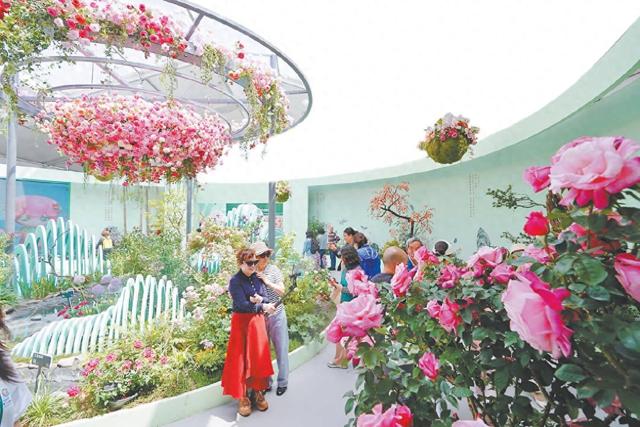
锐评丨全球顶流汇聚!月季是京城最芬芳的名片
Bei Jing Ri Bao Ke Hu Duan· 2025-05-12 09:40
Core Points - The Ninth International Rose Conference was held in Beijing's Mentougou District, showcasing a vast array of rose varieties and celebrating the theme "Flowers Bloom in Beijing, Fragrance in Yongding" [1][3] - This conference is the highest-level and largest comprehensive meeting in the global rose field, marking the first time it has been held in China in 40 years, reflecting international recognition of China's rose research and industry development [1][4] - Nearly 800 scientists, entrepreneurs, and flower enthusiasts from 12 countries and regions attended the event, indicating a significant international collaboration in rose cultivation and promotion [1][3] Industry Insights - Beijing has a deep-rooted connection with roses, having designated the rose and chrysanthemum as its city flowers since 1987, which has led to widespread cultivation across the city [3][4] - The annual production of cut roses in Beijing is approximately 13 million stems, with potted roses reaching 3 million pots, generating an annual output value exceeding 27 million yuan [4] - The city is home to national-level rose genetic resource nurseries, international rose variety testing centers, and has developed over 50 proprietary rose varieties, showcasing its advancements in rose breeding and research [4][3] Future Prospects - The conference is expected to facilitate the introduction of more rose varieties to Beijing, enhancing the city's floral landscape and promoting harmony between people and nature [4] - The diverse and vibrant rose varieties from Beijing are positioned to play a crucial role in transforming China from a major rose resource country to a stronghold in rose breeding and research [4]