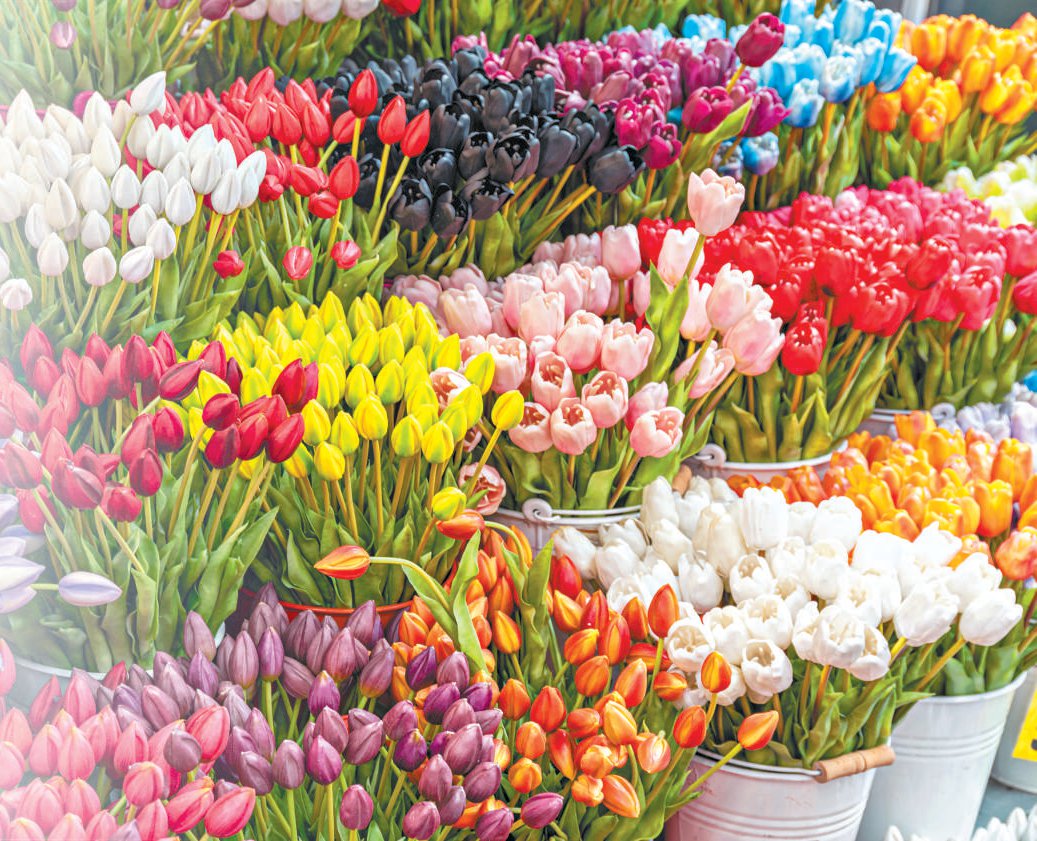
花市文化

Search documents
花市 买得一枝春欲放
Bei Jing Ri Bao Ke Hu Duan· 2026-02-25 00:06
Core Viewpoint - The article explores the historical evolution and cultural significance of flower markets in China, highlighting their development from ancient times to the present day, particularly focusing on major cities like Guangzhou and Beijing. Historical Development - The history of flower markets can be traced back to the Jin Dynasty with the "Flower Festival," which celebrated the birthday of flowers and involved outdoor activities like flower viewing [5] - The first large-scale flower market emerged in the Tang Dynasty in Guangzhou, where local residents cultivated various flowers and established a trading network [6] - By the Song Dynasty, flower markets flourished, with Guangzhou and Bianjing (Kaifeng) becoming prominent centers for flower trade, showcasing a variety of flowers and attracting many buyers [10][11] Cultural Significance - Flower markets became integral to cultural celebrations, especially during the Lantern Festival, where vibrant displays of flowers and lights created a festive atmosphere [11] - The demand for flowers grew significantly during the Southern Song Dynasty, leading to the establishment of specialized flower markets and a thriving flower trade [12][13] - The Ming and Qing Dynasties saw flower markets reach new heights, with cities like Suzhou and Guangzhou becoming major flower production areas, reflecting the cultural appreciation for flowers in daily life [15][16] Modern Developments - In the modern era, Beijing's flower market has expanded significantly, with numerous shops and a wide variety of flowers available, catering to the growing demand from the public [19][20] - Today, flower markets across China, including those in Luoyang and Chengdu, continue to thrive, symbolizing the people's aspirations for a beautiful life [21]

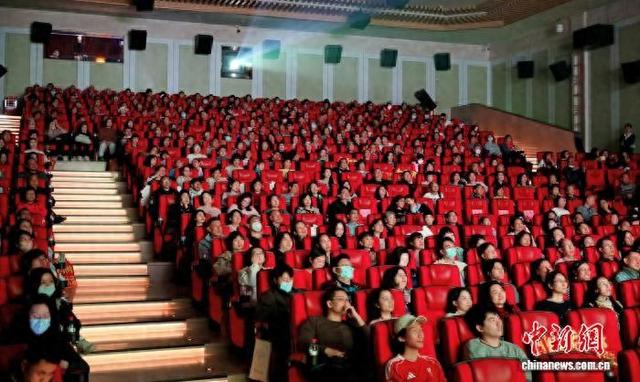
(新春走基层)纪录电影《行花街》首映礼在广州举行
Xin Lang Cai Jing· 2026-02-13 14:17
Core Viewpoint - The premiere of the documentary film "Xinghua Street," which fully records the national intangible cultural heritage of the Spring Festival flower market, took place in Guangzhou, highlighting the cultural significance and collective memory associated with the flower market tradition [1]. Group 1: Documentary Film - The film captures the lives of flower farmers, vendors, and citizens, illustrating the philosophy of life among the Cantonese people, which emphasizes flowers as a medium of expression and sentiment [3]. - Audience reactions at the premiere reflected nostalgia and a deeper understanding of the stories behind the vibrant flower market, with attendees sharing personal memories linked to the tradition [3]. Group 2: Exhibition - A themed exhibition titled "Strolling Through the Century-Old Flower Market, Tasting the Millennium of Yuexiu" was launched simultaneously, showcasing historical images that connect the history of the Yuexiu district with the evolution of the flower market over the past century [3][4]. - The exhibition is divided into three sections: "Origins of the Flower Market," "Flower Street Customs," and "Flower Market Culture," allowing visitors to explore the historical roots and cultural significance of the West Lake flower market [4]. - The exhibition will run until March 10, providing an opportunity for the public to engage with the rich cultural heritage of the flower market [5].